


Every January, gyms fill with enthusiastic newcomers armed with ambitious goals and unwavering motivation. By March, most of those same facilities return to their regular attendance patterns. This predictable cycle reveals a fundamental truth about fitness: motivation is a terrible foundation for lasting change.
The problem isn’t willpower or dedication. The problem is treating motivation as fuel when it’s actually more like a spark, which can be great for ignition, but unreliable for the long haul. Real transformation happens when we stop chasing the feeling of motivation and start building systems that work regardless of how we feel on any given day.
Why Motivation Fails
Motivation operates on emotion, and emotions are inherently variable. You feel inspired after watching a fitness documentary, energized after reading success stories, or determined after a disappointing doctor’s appointment. These feelings are real and valuable, but they’re also temporary.
Research in behavioral psychology consistently shows that relying on motivation leads to what’s called “false hope syndrome.” False hope syndrome is when you set ambitious goals based on temporary emotional states, then abandon them when reality doesn’t match expectations. The person who commits to daily 5 a.m. workouts might sustain that schedule for a week or two, but unless the habit becomes automatic, it collapses the moment motivation wanes.
The fitness industry often exploits this pattern, selling solutions that promise to maintain motivation: inspiring workout videos, motivational coaching, or products marketed as game-changers. While these tools have their place, they can’t replace the unglamorous work of habit formation.
The Habit-Based Alternative
Habits succeed where motivation fails because they bypass the need for emotional fuel. A well-established habit requires minimal decision-making and operates largely on autopilot. You don’t debate whether to brush your teeth each morning; you simply do it. The same principle applies to fitness and healthy living.
Building sustainable fitness habits requires three core elements: consistency, realistic scope, and environmental design. Consistency matters more than intensity. For example, three 20-minute walks per week will outperform sporadic two-hour gym sessions over time. Realistic scope means matching your routine to your actual life, not an idealized version of it. Environmental design involves structuring your surroundings to make healthy choices easier and unhealthy ones harder.
Consider the difference between these approaches: “I’m motivated to get fit, so I’ll work out intensely six days a week” versus “I’ll walk for 15 minutes every Monday, Wednesday, and Friday right after my morning coffee.” The first relies on sustained motivation and willpower. The second creates a specific, achievable routine tied to an existing habit.
Strategic Support for Habit Formation
While no supplement or product can replace consistent effort, the right tools can support habit formation by reducing barriers and improving the experience. This is where companies like Sisel International have carved out a meaningful role in the wellness space. They don’t promise shortcuts, but they do offer products designed to complement structured routines.
Consider how nutritional support fits into a habit-based approach. Quality supplementation doesn’t create motivation, but it can support the physical experience of consistent training and recovery. When someone knows their workout routine is supported by adequate nutrition, maintaining that schedule becomes less daunting and more sustainable.
Products like those in Sisel International’s fitness line function best when viewed as components of a broader system rather than standalone solutions. The value isn’t in any magical properties, but in how they integrate with a sustainable routine. Someone who incorporates nutritional support at the same time, in the same context, as part of the same weekly schedule is reinforcing their habit through ritual and consistency.
This approach aligns with what behavioral scientists call “implementation intentions,” which are specific plans that link situations with responses. “When X happens, I will do Y.” When nutritional preparation becomes part of that formula, “When I get home on Tuesday and Thursday, I will prepare my workout nutrition and complete my 30-minute routine,” it strengthens rather than replaces the underlying habit.
Making Habits Stick
The most successful fitness transformations share common characteristics that have nothing to do with motivation and everything to do with systems:
Start Small and Specific: Rather than committing to “exercise more,” commit to “20 minutes of resistance training every Monday and Thursday at 6 p.m.” Specificity eliminates decision fatigue.
Stack New Habits onto Existing Ones: Attach your workout to something you already do consistently. After your morning coffee, before your evening shower, during your lunch break, these anchors make new behaviors easier to remember and execute.
Track Process, Not Just Outcomes: Instead of measuring only weight loss or strength gains, track adherence. Did you complete your scheduled workouts this week? That’s the metric that predicts long-term success.
Design Your Environment: Keep your workout clothes visible. Pre-portion your supplements. Remove obstacles between you and your routine while adding friction to behaviors you want to avoid.
Plan for Disruption: Life will interfere with even the best routines. The difference between sustainable habits and temporary motivation is having a plan for imperfect weeks. What’s your minimum viable routine when traveling or during busy periods?
The Long Game
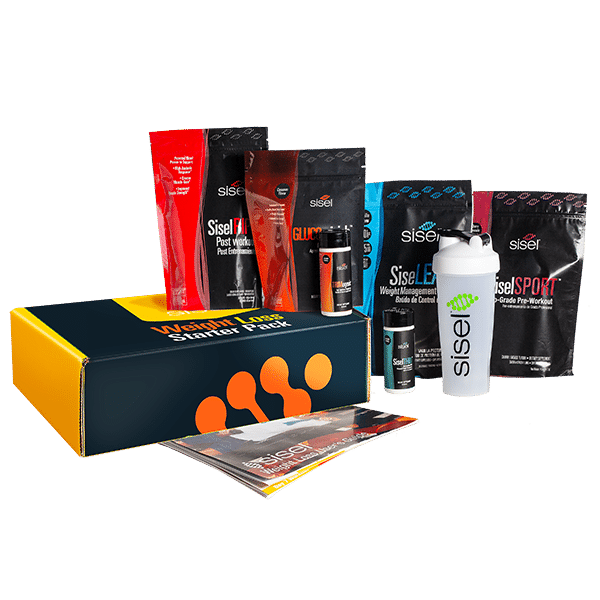
Companies like Sisel International succeed when they understand that their customers’ success depends on both their products and the systems those customers build. Fitness supplements support your goals when they’re part of a consistent routine, used strategically to enhance what you’re already committed to doing.
This represents a shift from a supplement culture built on before-and-after photos and dramatic promises to one rooted in sustainable practice. It’s less exciting than motivation-driven marketing, but far more effective for the people who adopt it.
The fitness industry is slowly moving in this direction, recognizing that long-term customer relationships depend on helping people build genuine habits rather than selling temporary enthusiasm. Products, supplements, and tools all have their role, but only as supporting actors in a story where consistency and habit formation are the protagonists.
Building Your Foundation
The question isn’t whether you feel motivated today. The question is: what system are you building that will work on the days you don’t feel motivated at all?
Answer that honestly, and you’re far more likely to find yourself still maintaining your fitness routine years from now, long after motivation has come and gone a dozen times. Start with realistic routines, anchor them to existing habits, support them with appropriate tools and nutrition, and trust the process more than the feeling.
That’s how sustainable fitness habits are built. One consistent day at a time, regardless of motivation.