

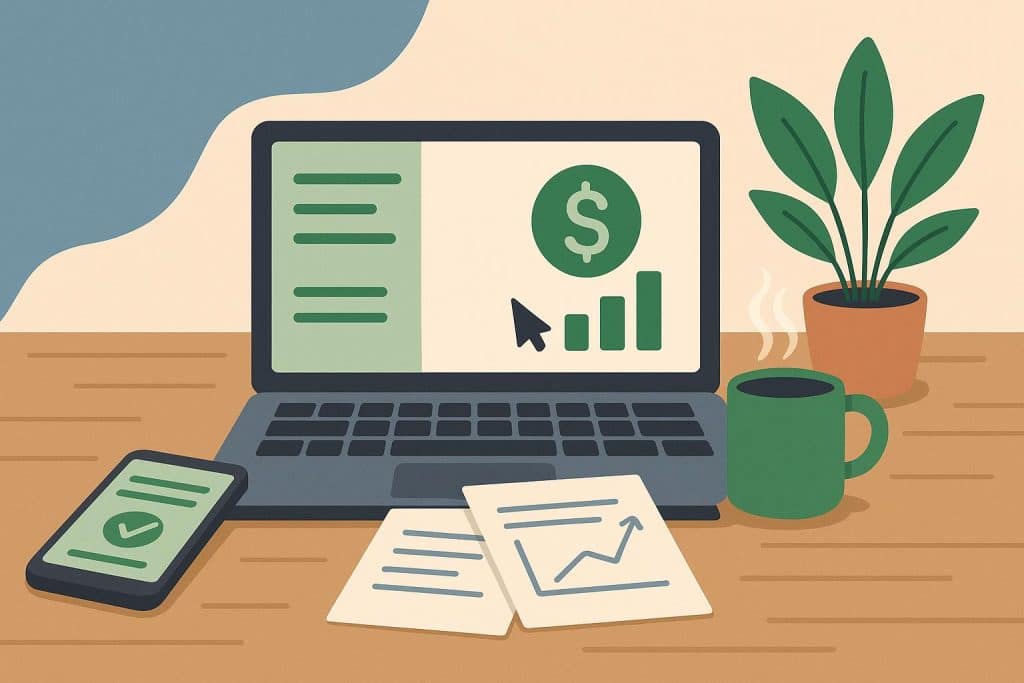
Over many years, to open a checking account, you would typically go into a physical branch, fill out the forms that needed to be completed, and then wait for your application to be approved. Although this process has not changed, it still takes place in branches, but digital banking has changed how we think about the banks and how we use them today.
A better question is not if online banking will work for you (because it most likely will). The question is whether it fits your own financial goals and habits and whether or not it meets your personal expectations of what that banking experience would feel like for you.
Why online account opening gained traction
Online banking gained popularity because it removed friction. Digital platforms streamlined identity verification, document uploads, and approvals into a single flow. Instead of scheduling appointments or waiting in lines, applicants complete the process on their own time.
This shift appeals to freelancers, remote workers, and business owners who value efficiency. It also supports people who prefer managing finances digitally rather than through in-person interactions.
The convenience factor versus traditional banking
Convenience sits at the center of the decision. Online account opening prioritizes speed and accessibility, while branch banking prioritizes in-person support.
Opening a checking account online typically offers:
- Faster application timelines
- Fewer physical documents
- Account access immediately after approval
Branch-based banking offers:
- Face-to-face guidance
- Physical locations for cash services
- Established relationships with local staff
Neither option suits everyone. The right choice depends on how often in-person services matter to you.
Understanding deposit requirements and expectations
One reason digital banking attracts attention is flexibility around initial funding. Many people search for options to open a checking account online with no deposit, especially when testing a new financial platform or separating personal and business finances.
While this lowers the entry barrier, deposit requirements represent only one part of the decision. Account features, access to funds, customer support, and long-term usability matter far more than the first transaction.
Security and trust in online banking
Security concerns often influence hesitation. Modern online banking relies on encrypted systems, identity verification tools, and continuous monitoring; these measures align with industry standards used by traditional institutions.
Trust comes less from location and more from transparency. Clear policies, visible security practices, and consistent communication shape confidence, regardless of whether a bank operates online or through branches.
Who benefits most from opening an account online
Opening online accounts fits people who already manage finances digitally. This includes individuals who:
- Rely on direct deposits
- Use digital payment tools
- Track spending through apps
- Rarely visit physical branches
For these users, online access supports daily financial routines without disruption.
When a branch-based account still makes sense
Physical branches still serve a purpose. Cash-heavy businesses, individuals who prefer in-person guidance, and those who value local relationships often benefit from traditional banking structures.
Complex financial needs, such as frequent cash handling or specialized services, still align better with branch support.
Making a decision based on your financial goals
Choosing between online and branch banking starts with clarity. Consider how you earn, spend, and manage money. Think about access, support preferences, and how often physical services matter. Opening an account online offers speed and flexibility. Branch banking offers familiarity and personal interaction. Both serve valid roles in modern finance.
The best option supports your habits rather than forcing new ones. When your banking structure matches your goals, the experience feels seamless instead of transactional.