

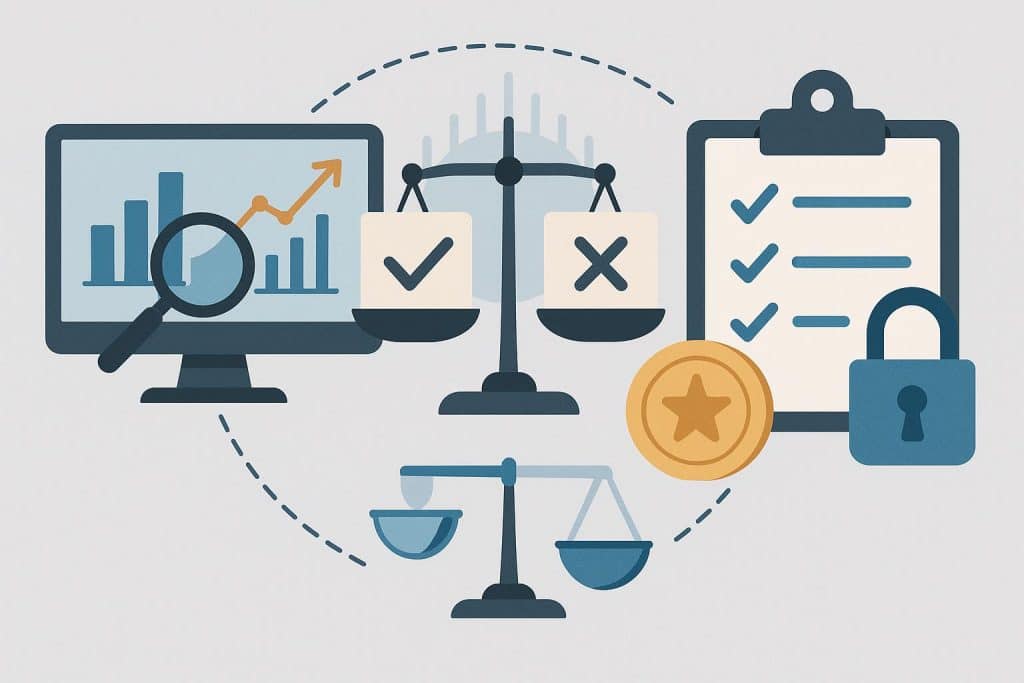
Digital reward systems shape how people interact with games, loyalty programs and online entertainment platforms. Points, bonuses and progress mechanics feel simple on the surface, yet behind them stand complex statistical models that must remain fair for every user. If those models drift, even unintentionally, trust disappears quickly. From my experience reviewing audit reports, the real challenge is not creating rewards but proving that they behave consistently over time.
The importance of transparent verification becomes obvious when users register, test promotions and review outcomes on Winspirit in Canada, where statistical audits protect the balance between excitement and fairness. Modern platforms generate millions of events each day — spins, bonus triggers, loyalty conversions — and each event must follow predefined probabilities. Auditors examine these streams like scientists studying weather patterns, searching for anomalies that might favor one group over another. I often explain that fairness is not a single number; it is a living process that requires constant measurement. A reward engine may look perfect during launch yet drift months later because of software updates or new content. Regular audits compare expected distributions with real behavior, checking return-to-player values, bonus hit rates and volatility curves. When discrepancies appear, developers adjust algorithms before players even notice. This cycle of measurement and correction keeps digital ecosystems healthy and credible, especially in competitive markets where users can leave after one negative experience.
What a Statistical Fairness Audit Actually Checks
Audits cover more than random number generators. They explore how rewards interact with user behavior, ensuring that promises match reality.
Core areas examined
- probability distribution of game outcomes
- consistency of bonus activation rates
- equality between different player segments
These checks prevent hidden biases that could damage reputation.
Methods Used by Professional Auditors
Experts rely on several techniques to evaluate digital systems:
- long-term sampling across thousands of sessions
- comparison between theoretical and real returns
- stress tests during peak activity
In my consulting work, combining these methods gives the clearest picture of platform health.
Expected vs Observed Behavior
| Audit Element | Expected Model | Observed Data Review |
|---|---|---|
| RTP and payout curves | Match certified design | Monitored across large sample sizes |
| Bonus frequency | Within declared range | Checked for spikes or droughts |
| Player segmentation | Equal treatment | Analysis by region and device |
| System updates | No effect on fairness | Post-release validation |
| Fraud resistance | Stable patterns | Detection of manipulation attempts |
The table illustrates how auditors translate mathematics into practical safeguards.
Why Continuous Monitoring Matters
Many platforms make the mistake of treating certification as a one-time event. Digital environments evolve: new games arrive, payment tools change, user habits shift. Without ongoing oversight, small deviations accumulate. I have seen cases where a minor interface tweak altered how often players activated bonuses, indirectly changing expected returns.
Good operators therefore maintain:
- automated dashboards tracking daily metrics
- independent reviews after major updates
This discipline protects both players and businesses.
Player Perspective on Fairness
Users rarely read technical reports, yet they feel the results. If rewards appear unpredictable or misleading, confidence fades. Clear communication helps bridge the gap. Simple explanations about how probabilities work, displayed beside promotions, reduce misunderstandings.
From my viewpoint, the most respected platforms translate statistics into everyday language. They show average outcomes, explain volatility and avoid exaggerated claims. Transparency becomes a form of customer service.
Challenges Facing Auditors
Digital reward systems mix entertainment with psychology, making evaluation complex. Human behavior influences data: some players chase bonuses aggressively while others play casually. Auditors must separate these patterns from algorithmic issues. This requires collaboration between mathematicians, developers and compliance teams.
Future of Fairness Verification
Technology is moving toward real-time auditing. Machine learning can flag unusual clusters instantly, and blockchain records may provide immutable histories. I expect future systems to allow players to verify certain aspects themselves, strengthening trust even further.
Final Thoughts
Statistical fairness audits are the quiet guardians of digital reward platforms. They ensure that excitement grows from honest mechanics rather than hidden advantages. As online entertainment expands, the need for rigorous, transparent verification will only increase. Platforms that invest in continuous audits demonstrate respect for their communities and build relationships that last far beyond any single promotion.