

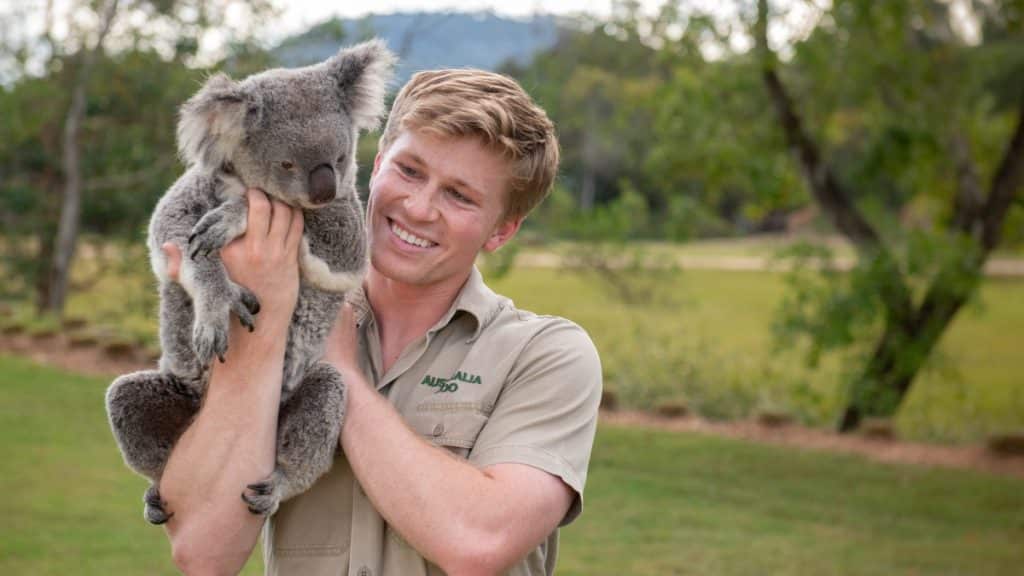
For decades, the Irwin family has championed animals, but modern advocacy requires fresh approaches. During a highly publicized Charli D’Amelio visit to Australia Zoo, wildlife and internet royalty collided. Using what communication experts call a “digital megaphone” strategy, Steve Irwin’s son surprises Charli D’Amelio by naming a kangaroo after her. This viral gesture isn’t just entertaining; it brilliantly broadcasts critical wildlife conservation efforts directly to millions of new Gen Z followers (Steve Irwin).
Steve Irwin: The Strategy Behind ‘Ambassador Animals’: Why Naming Joeys Creates Global Conservation Impact
Assigning celebrity names to rescued creatures serves a strategic purpose. When a joey goes viral, it transforms from a typical exhibit into an ambassador animal, putting a relatable face on conservation. Iconic creatures like kangaroos act as charismatic megafauna—species whose natural popularity effortlessly draws people in. Through the Robert Irwin Australia Zoo animal naming strategy, experts leverage the benefits of celebrity influence on wildlife awareness, translating digital views into real empathy and funding.
This massive platform does more than boost metrics. It directly funds in-situ conservation, the critical work of protecting endangered Australian species within their wild habitats. Saving one famous species creates a protective umbrella over its entire ecosystem. While viral moments grab our attention, the true magic happens when vulnerable animals first need rescue, sparking a complex journey from triage to wild release.
A Guide to Kangaroo Rehabilitation at Australia Zoo: The Journey from Rescue to Release
Behind the viral moments lies a massive logistical operation. While the main zoo focuses on public education, its charity arm, the Wildlife Warriors conservation program, handles the gritty reality of emergency medical care. Rescuing an orphaned joey is incredibly delicate work because macropods—marsupials like kangaroos with powerful hind legs—are uniquely fragile in their infancy. Without a mother’s protective pouch, these growing babies need precise temperature control and specialized milk formulas simply to survive.
What sets Australia Zoo apart from other wildlife sanctuaries is its comprehensive treatment system. Their facility provides a seamless rehabilitation process structured around three critical phases:
- Wildlife Hospital Triage: Initial health assessment and emergency stabilization by expert veterinarians.
- Specialized Pouch-Care: Simulating the mother’s pouch with artificial warmth and strict feeding schedules.
- Soft-Release Protocols: Gradual introduction into protected habitats to build natural foraging skills before full independence.
Witnessing this incredible rehabilitation journey naturally inspires public involvement and direct support for ongoing wildlife preservation.
Steve Irwin: How to Support Wildlife Warriors: Actionable Steps to Join the Irwin Family Legacy
Viral social media moments directly translate into real-world conservation when channeled effectively. Engaging with legitimate organizations like Wildlife Warriors ensures that every shared video amplifies a global mission. Deepening this impact involves exploring Robert Irwin’s wildlife advocacy online to understand the habitats requiring protection, or visiting Australia Zoo in Queensland to fund their scientific work firsthand. Digital platforms provide an active entry point into protecting the planet’s biodiversity.