

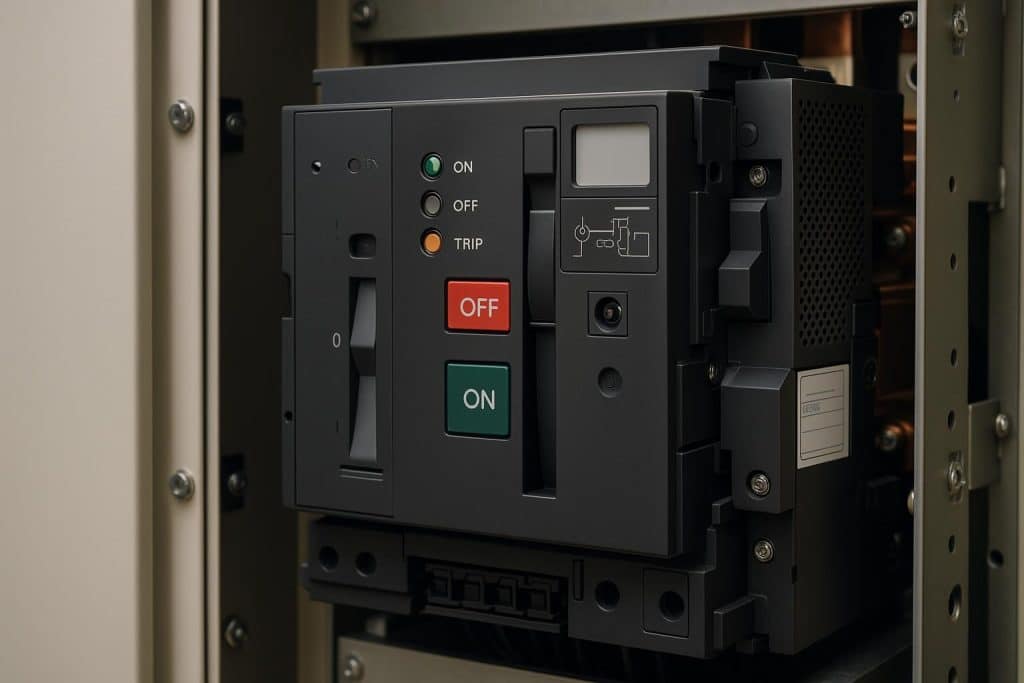
In power distribution systems, the reliability and safety of electrical infrastructure are only as strong as their weakest link. One crucial component that often goes unnoticed — until it fails — is the air circuit breaker (ACB). These devices protect electrical circuits by interrupting power flow in the event of an overload, short circuit, or other fault. Over time, however, wear and aging reduce their effectiveness, making ACB replacement an important part of preventive maintenance and electrical system upgrades.
Replacing outdated or degraded ACBs is not just about avoiding failure; it’s about optimizing safety, improving energy efficiency, ensuring regulatory compliance, and enabling smarter monitoring and control of electrical systems. Whether in industrial plants, commercial buildings, or critical infrastructure facilities, understanding the benefits of ACB replacement can help facility managers and engineers make informed decisions that protect both assets and people.
What Is an Air Circuit Breaker?
An air circuit breaker is a type of circuit breaker that uses air as the arc extinguishing medium. Typically used in low-voltage and medium-voltage applications (up to around 1,000V), ACBs are designed to interrupt high currents and isolate faulty sections of the electrical system during abnormal conditions.
ACBs are commonly installed in:
- Switchboards and panelboards
- Industrial control centers
- Power plants
- Commercial buildings
- Hospitals and data centers
Their primary role is to ensure the safety and continuity of electrical systems by acting as an automatic switch that opens under fault conditions and can be manually reset after the issue is resolved.
Why Consider ACB Replacement?
Like all electrical devices, air circuit breakers degrade over time due to mechanical wear, electrical stress, and environmental conditions. As ACBs age, their reliability and response time can suffer, increasing the risk of electrical failures, fires, and unplanned downtime. This is where ACB replacement becomes not only necessary but beneficial.
Here are the primary reasons to consider replacing aging or obsolete air circuit breakers:
1. Enhanced Electrical Safety
The most critical function of an ACB is to protect against electrical faults. When a breaker fails to trip correctly, it can lead to equipment damage, fire hazards, or even injury. Older ACBs may have weakened springs, corroded contacts, or degraded insulation — all of which impair their ability to function reliably.
Replacing outdated ACBs ensures your system maintains its protective capabilities, offering peace of mind and safeguarding both personnel and assets.
2. Improved System Reliability and Uptime
Downtime is expensive — especially in critical operations like manufacturing, healthcare, or data centers. ACB replacement reduces the risk of unexpected outages caused by breaker failure. New ACBs come with better response times and more precise coordination with other protection devices, improving overall system stability and uptime.
3. Access to Modern Features and Technologies
Modern ACBs include features that older models simply can’t offer:
- Digital trip units for precise protection and flexibility
- Communication interfaces for integration into building or energy management systems
- Remote monitoring and diagnostics for predictive maintenance
- Advanced metering for better energy management
Upgrading to newer ACBs allows facilities to take advantage of these smart capabilities, turning a basic protection device into a valuable tool for energy optimization and system control.
4. Compliance with Evolving Standards
Electrical safety and performance standards evolve over time. Many older ACBs were designed according to now-outdated codes and may no longer meet current safety regulations or environmental requirements.
ACB replacement ensures compliance with the latest standards, reducing liability risks and supporting certifications such as ISO, LEED, or NFPA. In some cases, staying compliant can also help lower insurance premiums.
5. Energy Efficiency and Power Quality
While ACBs themselves don’t consume power, they play a critical role in managing the quality and reliability of the power being distributed. Advanced ACBs with integrated monitoring help detect inefficiencies, imbalances, or harmonics in the system that could lead to energy waste or equipment stress.
This improved visibility helps facility managers make informed decisions about load management, energy usage, and preventive maintenance — all contributing to long-term cost savings.
6. Simplified Maintenance and Spare Parts Availability
One of the challenges of maintaining old ACBs is the limited availability of spare parts and service expertise. Many manufacturers discontinue support for legacy models after a certain period. This means longer repair times, higher maintenance costs, and increased vulnerability to extended downtime.
By investing in ACB replacement, organizations can standardize on current technologies, simplify maintenance, and ensure a ready supply of compatible components.
When Should You Replace an ACB?
There’s no one-size-fits-all timeline, but certain signs indicate it’s time to consider ACB replacement:
- Frequent tripping or failure to trip during faults
- Visible wear, corrosion, or overheating signs
- Obsolete models with no spare parts availability
- Difficulty in maintaining calibration or coordination
- Upgrades to other parts of the electrical system
Conducting a comprehensive electrical audit or thermal imaging scan can help identify aging or underperforming breakers that are candidates for replacement.
Final Thoughts
Electrical infrastructure is the backbone of any modern facility — and air circuit breakers are the gatekeepers that ensure it functions safely and reliably. While they may seem like simple components, their failure can have serious consequences. That’s why ACB replacement is not just a maintenance task but a strategic investment in safety, efficiency, and operational continuity.
In an increasingly connected and power-reliant world, upgrading to modern ACBs is a smart move that pays dividends over time. Whether it’s to avoid costly downtime, meet regulatory requirements, or enable smarter system control, replacing aging breakers ensures your electrical system is ready for the demands of today — and tomorrow.