

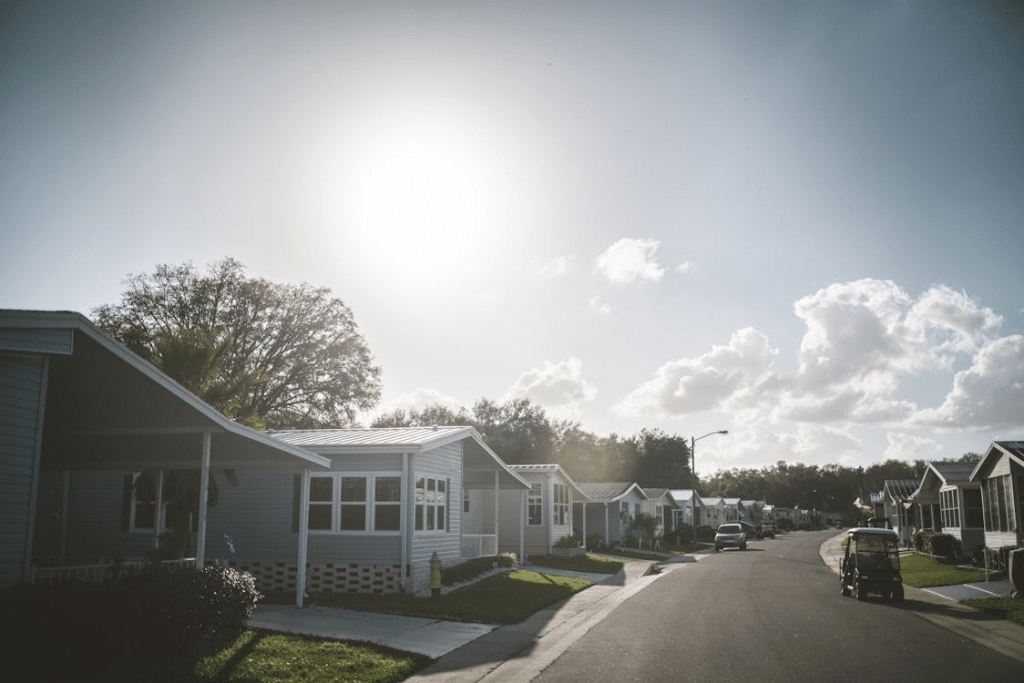
Residential community developments operate through careful coordination rather than quick construction. Every decision ties back to long-range planning, from how land is prepared to how buyers move through the space. The business model depends on sequencing. Infrastructure, land use, partnerships, and amenities are aligned to support steady sales and predictable growth. Instead of chasing immediate outcomes, developers focus on building environments that remain viable across changing market conditions.
Katy, Texas, highlights how this model functions in practice. Continued population growth and steady housing demand create a setting where developers rely on structure and planning discipline. Communities built here often succeed through thoughtful investment and controlled pacing. Each phase builds upon the previous one, guided by data and long-term positioning. The result is a development strategy centered on durability and market awareness rather than rapid turnover.
Infrastructure Investment Drives Long-Term Value
Infrastructure is a crucial component of any residential development strategy. Roads, drainage, utilities, and shared systems require significant upfront planning and capital. All of these elements determine how land can be used and how many homes can be supported. Robust infrastructure allows development phases to move forward without disruption. Plus, it supports safety, access, and usability, which directly affect buyer confidence and development momentum.
Early infrastructure planning supports consistency across large-scale projects. In developments such as Grange in Katy, TX, this approach allows each phase to connect smoothly to the next. Utilities and road networks are positioned to support future expansion without redesign. This structure allows home sales to progress steadily while protecting long-range value across the entire community footprint.
Land Planning as the Core Revenue Driver
Land planning determines how value is created within a residential community. Decisions around density, lot size, and layout shape revenue potential from the start. Developers evaluate how land can support housing types while maintaining appeal and functionality. These choices influence pricing, absorption, and long-term flexibility across multiple phases.
Strategic land use guides every downstream decision. Roads follow planned housing clusters. Amenities are placed where they support visibility and access. Each section of land serves a defined role within the broader plan. Revenue flows from how efficiently and thoughtfully the land is structured, making planning the foundation of the entire business model.
Builder Partnerships Expand Market Reach
Builder partnerships allow residential developments to serve a wider range of buyers. Working with multiple builders introduces variety without fragmenting the overall plan. Each builder contributes different home designs, price points, and construction styles while operating within shared guidelines. This structure broadens demand while maintaining consistency across the community.
From a business perspective, partnerships distribute responsibility and support steady progress. Developers focus on land preparation and oversight while builders manage construction and sales execution. This division allows projects to scale while remaining controlled. The result is a development that appeals to diverse buyers without compromising cohesion or pacing.
Amenities Support Pricing Power Rather Than Direct Profit
Amenities play a supporting role within the development model. Parks, trails, and shared spaces are designed to support home sales rather than operate as revenue centers. Their presence enhances the overall appeal of the community and supports stronger lot pricing. Buyers respond to environments that feel complete and thoughtfully arranged.
Planning amenities requires a careful balance. Placement, maintenance needs, and long-term usability are considered early. These features support market positioning and help sustain interest across phases. Their value shows through buyer perception and confidence rather than direct financial return.
Community Design Shapes Buyer Flow
Community design influences how buyers experience a development from the first visit: street layout, access points, and visual continuity guide movement and attention. Clear navigation supports comfort and ease while encouraging exploration of different sections. Design choices affect how quickly buyers understand the layout and how connected the spaces feel.
From a business standpoint, design helps manage buyer flow across phases. Entry points direct traffic. Open spaces create pauses and gathering areas. Layout decisions guide attention toward active sales areas while maintaining privacy for completed sections. This coordination supports steady engagement and controlled growth throughout the development lifecycle.
Maintenance Planning Protects Long-Term Appeal
Maintenance planning starts long before the first residents move in. Developers account for how shared spaces will be cared for, how landscaping will age, and how infrastructure will hold up under daily use. These decisions affect how the community looks and functions across its lifespan. Clear maintenance strategies support consistency and prevent visible decline that can influence buyer perception and resale confidence.
Ongoing care also affects how smoothly responsibility transitions after development phases conclude. Planning allows homeowner associations or management teams to step into a defined system rather than reacting to issues as they arise. Predictability matters here. Buyers gain confidence knowing shared spaces remain functional and orderly, which supports continued interest and stability across the community.
Brand Identity Supports Buyer Confidence
Brand identity within residential developments helps buyers form realistic expectations about the community. A defined identity helps buyers understand layout, design standards, and community character. Consistency across signage, communication, and public spaces reinforces recognition. Buyers respond to environments that feel cohesive and intentional, which supports confidence throughout the purchasing process.
Moreover, a strong identity supports alignment across builders and phases. Guidelines help maintain visual and functional continuity even as different teams contribute. This structure protects the integrity of the community vision. Buyer confidence grows through familiarity and predictability, allowing the development to maintain its position across market cycles.
Timing the Market Matters More Than Speed
Development pacing plays a central role in financial performance. Phased releases allow supply to align with demand rather than flooding the market. Developers monitor sales activity, pricing response, and inventory movement before advancing to the next stage. This approach protects stability and supports steady absorption.
Holding discipline around timing also allows flexibility. Adjustments can be made without disrupting the broader plan. Controlled pacing supports pricing consistency and reduces exposure during market fluctuations. The business model favors thoughtful sequencing over rapid expansion, keeping long-term outcomes in focus.
Data Guides Product Mix Decisions
Sales data and buyer feedback guide decisions around home size, layout, and pricing. Developers review purchasing patterns to understand which options resonate within each phase. Such insights shape future releases, allowing offerings to stay aligned with demand rather than assumptions.
Feedback loops support refinement across the development lifecycle. Builders and developers share insights that inform adjustments in design and placement. Data helps guide decisions while reducing uncertainty. Product mix decisions remain grounded in real buyer behavior, strengthening alignment between planning and execution.
Commercial Space Is Planned for Support, Not Scale
Commercial elements within residential communities serve a supporting role. Retail and service spaces are sized to meet resident needs rather than draw outside traffic. Convenience drives planning decisions here, while access, placement, and compatibility with nearby homes guide design.
This approach protects residential character while supporting daily needs. Businesses benefit from consistent foot traffic tied to local use. Residents benefit from proximity and familiarity.
Residential community developments function as long-term business systems built on planning, coordination, and measured execution. Infrastructure, land use, partnerships, and pacing work together to support durability and market alignment. Success depends on decisions made early and revisited throughout the development process.