

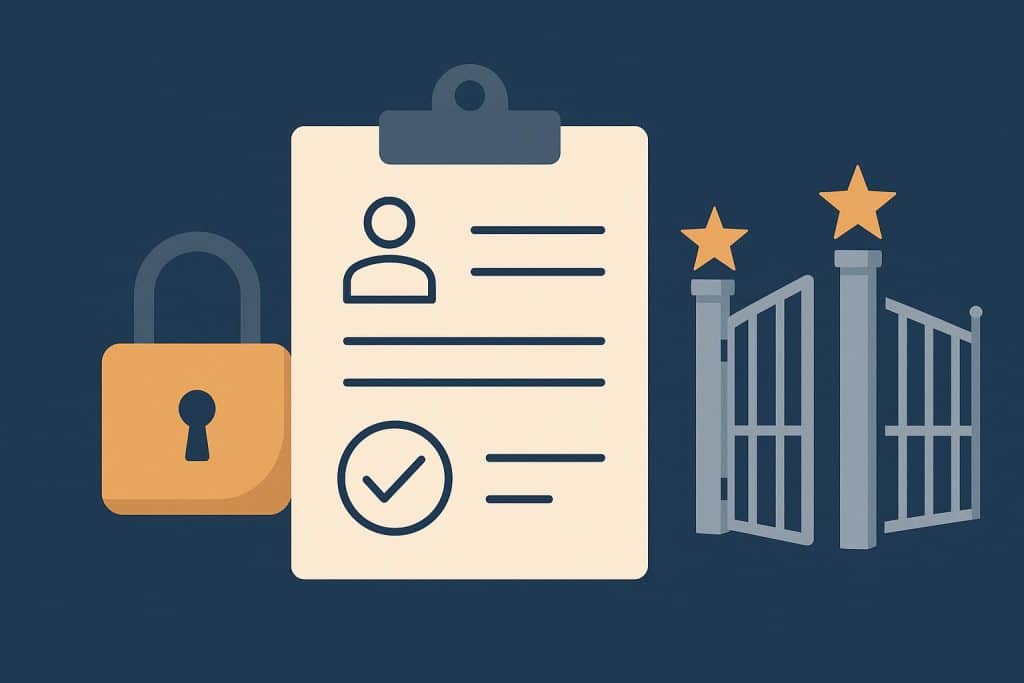
Trust sits at the center of every role that touches sensitive information, government resources, or critical infrastructure, and baseline security screening, often referred to as bpss clearance, plays a quiet but vital role in establishing that trust from the outset. Employers cannot rely on assumptions when responsibility is involved; they need a structured way to confirm that the person stepping into a position is exactly who they claim to be, legally allowed to work, and consistent in their history. This is where the Baseline Security Screening Standard steps in, forming the first layer of the wider vetting process and creating a foundation that supports every higher level of security checking that may follow.
Understanding the Purpose of the Baseline Security Screening Standard
At first glance, this screening standard can seem like just another administrative hurdle in the recruitment process. A closer look reveals something much more practical and meaningful. This standard exists to answer basic but essential questions before access is granted to anything that could affect national interests, public funds, or sensitive operations.
Rather than diving straight into complex security clearance procedures, the Baseline Security Screening Standard begins with fundamentals. It ensures that the groundwork is solid before any further checks are considered. This approach saves time, reduces risk, and creates consistency across organizations that deal with sensitive roles. It is not about suspicion; it is about certainty.
The Four Pillars Known as RICE
The Baseline Security Screening Standard is often summarized with the acronym RICE, which stands for Right to Work, Identity, Criminal Records, and Employment History. Each of these elements serves a specific purpose, and together they create a clear picture of reliability.
Right to Work confirms legal eligibility to be employed. Identity verification ensures that official documents match the individual presenting them. Criminal record checks provide insight into any history that could pose a risk in certain roles. Employment history allows employers to confirm consistency, honesty, and traceability in a candidate’s background.
These four checks may appear straightforward, but when combined they form a powerful filter that protects organizations from avoidable risks.
Why the Baseline Security Screening Standard Comes Before Higher Clearance
Higher levels of security vetting, such as Security Check or Developed Vetting, require significant time, resources, and detailed investigation. Starting this process without first completing the Baseline Security Screening Standard would be inefficient and impractical. This standard acts as a gateway, ensuring only suitable candidates progress to more intensive screening.
This staged approach keeps the vetting process organized and logical. Employers can confidently move forward knowing the basics have already been confirmed. It prevents unnecessary investment in candidates who may not meet foundational requirements.
Protecting Organizations from Hidden Risks
Without a structured baseline check, organizations leave themselves open to vulnerabilities that are often overlooked. Misrepresented employment histories, incorrect identity claims, or undisclosed legal issues can slip through casual hiring processes. The Baseline Security Screening Standard closes these gaps by requiring formal verification rather than relying on trust alone.
For businesses operating in defence, government, or critical infrastructure, the cost of oversight can be enormous. Even in private companies that handle sensitive data, the impact of a poorly vetted hire can be damaging. This screening standard acts as an early safeguard, reducing the likelihood of these risks from the beginning.
A Consistent Standard Across Industries
One of the strengths of the Baseline Security Screening Standard is its consistency. Whether the role is in defence, public services, IT infrastructure, or government contracting, the same baseline principles apply. This uniformity simplifies hiring for organizations and creates clarity for candidates.
Applicants know what to expect, and employers know exactly what must be verified. This shared understanding reduces confusion and helps streamline the onboarding process for sensitive roles.
The Candidate Experience
From a candidate’s perspective, this screening process may feel like an additional step, but it is also a signal of professionalism. It shows that the organization takes its responsibilities seriously and values integrity.
Providing documents, confirming history, and completing checks demonstrates transparency. Candidates who pass the Baseline Security Screening Standard gain a sense of credibility that follows them into future opportunities requiring higher clearance. It becomes part of their professional profile.
Supporting National Security and Public Trust
While the Baseline Security Screening Standard operates quietly in the background of recruitment, its impact reaches far beyond individual workplaces. By ensuring that people in sensitive roles meet clear standards of reliability, it supports broader national security and public confidence.
Government projects, defence contracts, and infrastructure systems depend on trustworthy personnel. This standard contributes to that trust in a practical, measurable way, without the need for intrusive or excessive investigation at the early stage.
Efficiency in the Hiring Process
Employers often face pressure to fill roles quickly, especially in sectors where projects depend on cleared personnel. Having the Baseline Security Screening Standard as a defined first step allows recruitment teams to move efficiently.
Instead of navigating unclear vetting procedures, HR teams follow a structured path. This clarity reduces delays and ensures that only candidates who meet baseline requirements proceed further, saving both time and administrative effort.
Preventing Future Complications
Skipping or rushing initial checks can create problems later. Discovering inconsistencies after a candidate has started work or progressed into deeper clearance can lead to delays, rejections, or even termination. The Baseline Security Screening Standard helps prevent these situations by addressing issues early.
This proactive approach protects both employer and employee from future complications, making the entire vetting process smoother and more predictable.
The Baseline Security Screening Standard as Part of a Larger Security Culture
Organizations that implement this standard correctly demonstrate a broader commitment to security and responsibility. It reflects a culture where procedures matter and where trust is earned through verification.
This mindset influences other areas of operation, from data protection practices to employee training. The screening standard becomes part of a wider framework that prioritizes safety and reliability.
Common Misunderstandings About the Baseline Security Screening Standard
Many people assume this standard is a full security clearance, which is not accurate. It is a baseline check, designed to prepare candidates for roles where higher clearance may later be required. Understanding this distinction helps manage expectations for both employers and applicants.
Another misconception is that the process is overly complex. In reality, it is straightforward when approached systematically, focusing only on essential verifications.
The Role of Documentation and Accuracy
Accurate documentation plays a crucial role in the Baseline Security Screening Standard. Clear records, valid identification, and consistent employment details make the process faster and more efficient. Employers benefit from maintaining organized records, while candidates benefit from being prepared with correct information.
Attention to detail at this stage can significantly speed up later stages of vetting.
Building a Reliable Workforce from the Start
Recruitment is not just about skills and experience; it is about reliability. The Baseline Security Screening Standard ensures that reliability is assessed before responsibility is given. This approach builds a workforce that organizations can depend on, especially in environments where errors can have serious consequences.
By focusing on fundamentals, this standard supports long-term stability in teams handling sensitive tasks.
A Practical and Necessary First Step
The Baseline Security Screening Standard may not be the most visible part of the vetting process, but it is arguably one of the most important. It creates a clear starting point, reduces uncertainty, and prepares both employer and candidate for any additional clearance that may follow.
This practical step ensures that higher security checks are built on verified information, not assumptions.
Conclusion: Establishing Trust Before Responsibility
In roles connected to government, defence, and critical systems, trust must be established before access is granted. The Baseline Security Screening Standard provides a structured, reliable way to do this by confirming identity, legal work status, background, and history through the RICE framework.
By serving as the first gate in the security vetting journey, this standard protects organizations, supports national interests, and builds confidence in the people entrusted with sensitive responsibilities. It may be a baseline check, but its importance in the wider security process cannot be overstated.