

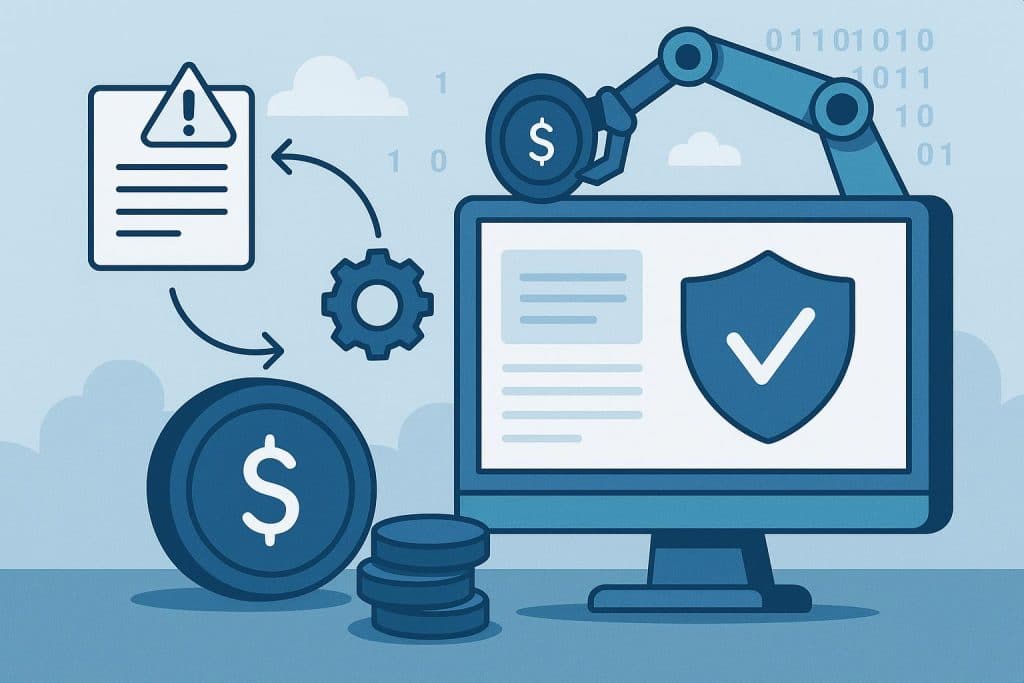
Healthcare has been bleeding money through overpayments for years, but technology is finally stepping up to help solve this huge problem. Automated systems that can spot payment errors are getting really good at their job, and they’re changing how health plans protect themselves from financial losses. Sure, experienced auditors will always be needed, but the future is heading toward smart computers that can catch mistakes as they happen instead of months later.
Technology That Actually Works
Professional overpayment recovery services are already using some pretty impressive computer programs that can spot weird patterns in claims data way faster than any human ever could. These systems chew through millions of claims and pick out the ones that look suspicious, often finding issues that would take a team of auditors weeks to discover.
The way it works is pretty clever: the computer learns what normal billing looks like for different doctors, hospitals, and types of treatments by analyzing tons of historical data. When something doesn’t match the usual pattern, it gets flagged for someone to take a closer look. This means health plans can catch problems much earlier, sometimes even before they cut the check to providers.
What’s really cool about these systems is how they can spot super subtle things that people might miss, like a doctor gradually billing for more expensive procedures over time or weird combinations of services that don’t usually go together.
Computers Keep Getting Smarter
The next wave of automated overpayment detection is going to be even better because artificial intelligence and machine learning keep improving. These systems are getting much better at telling the difference between legitimate billing differences and actual mistakes, which means they won’t cry wolf as often.
Future systems will learn to recognize new types of fraud or billing errors on their own, without needing someone to update their rules manually. This is huge in healthcare because new procedures, billing codes, and payment methods are always popping up.
Stopping Issues Before They Start
The most exciting thing happening right now is the move from finding overpayments after the fact to preventing them from happening in the first place. Instead of waiting to audit claims after payments go out, future systems will catch potential problems during the normal claims processing and stop them right there.
This real-time prevention will save health plans massive amounts of time and money that would normally go toward trying to get overpayments back from providers. It also makes life easier for doctors and hospitals because they won’t have to deal with repayment requests for mistakes that could have been caught earlier.
Making Everything Work Together
Future automated detection systems will plug right into the claims processing systems that health plans already use, making it much easier for organizations to adopt this technology. These integrated platforms will give finance teams complete visibility into what’s happening with their payments and where potential problems might be lurking.
The technology is moving beyond just finding problems toward helping health plans fix the underlying issues that cause overpayments to happen, turning reactive auditing into proactive financial management that keeps everyone happier.