

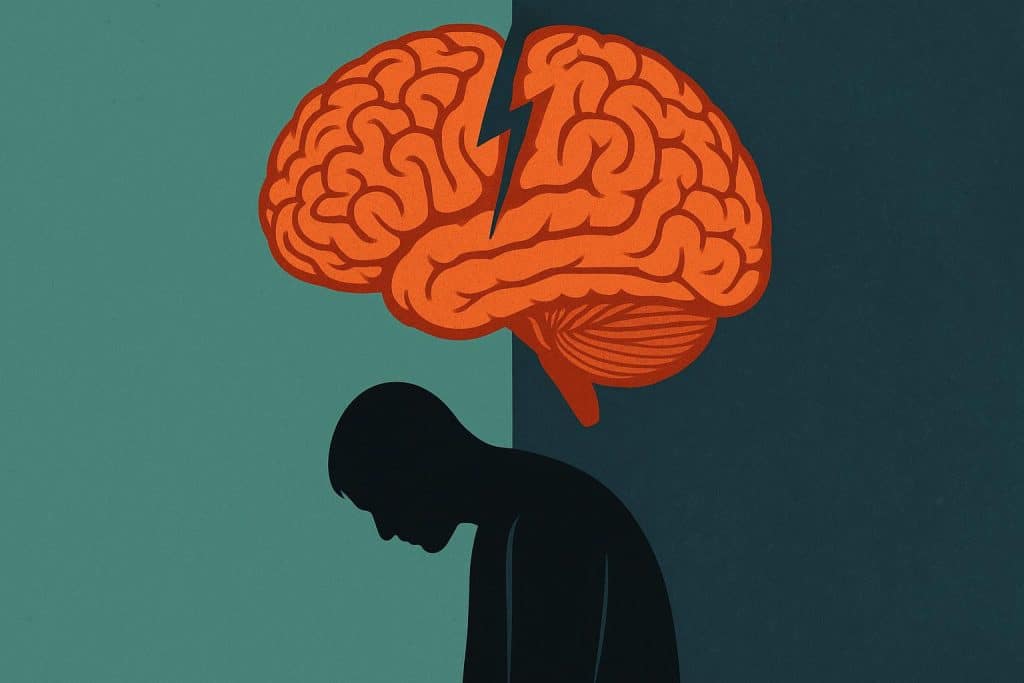
The stroke itself was terrifying. The rehabilitation was exhausting. But for many survivors, an unexpected enemy emerges in the weeks and months following their neurological event—a profound depression that undermines recovery, strains relationships, and steals the motivation needed to rebuild life. Post-stroke depression affects approximately one-third of all stroke survivors, yet it remains dramatically underdiagnosed and undertreated.
More Than Sadness
Post-stroke depression differs from the normal grief and adjustment that follows any major health crisis. While sadness about lost abilities is expected and appropriate, clinical depression represents a distinct condition with biological underpinnings that requires specific treatment.
The stroke itself damages brain regions involved in mood regulation. Lesions affecting the frontal lobes and basal ganglia—areas governing emotion, motivation, and pleasure—directly cause depressive symptoms independent of psychological reaction to disability. Depression becomes a neurological consequence of stroke, not merely a psychological response.
Furthermore, stroke disrupts neurotransmitter systems. Serotonin, norepinephrine, and dopamine pathways suffer damage, creating the same chemical imbalances seen in primary depression. The brain’s mood-regulating machinery sustains injury alongside its movement and speech centers.
“Post-stroke depression is a medical condition, not a character weakness or failure to cope,” said Rab Nawaz MD, Consultant Stroke Medicine at MyMSTeam. “I’ve seen patients who maintained positive attitudes through incredibly difficult circumstances still develop severe depression because the stroke damaged mood-regulating brain circuits. Recognizing depression as a neurological complication of stroke—rather than just an emotional reaction—changes how we approach treatment and reduces the stigma that prevents many survivors from seeking help.”
The Warning Signs
Detecting depression in stroke survivors presents unique challenges. Many depression symptoms overlap with stroke effects, creating diagnostic confusion.
Fatigue plagues most stroke survivors regardless of mood. Determining whether exhaustion reflects neurological recovery demands, depression, or both requires careful evaluation. Depression-related fatigue tends to be constant and unrelieved by rest, while recovery fatigue fluctuates with activity.
Sleep disturbances occur commonly after stroke. Depression adds early morning awakening, difficulty falling asleep, and unrefreshing sleep to the baseline sleep disruption stroke causes.
Also, appetite changes signal concern. Weight loss or gain exceeding normal fluctuations, loss of interest in previously enjoyed foods, or eating purely from habit without pleasure suggest depressive involvement.
Cognitive symptoms prove particularly difficult to disentangle. Stroke causes concentration problems, memory difficulties, and slowed thinking. Depression worsens these same domains. When cognitive recovery stalls or reverses, depression should be considered.
The hallmark symptom—persistent sad mood or loss of interest in activities—may present differently in stroke survivors. Some experience irritability rather than sadness. Others describe emptiness, numbness, or simply not caring about things that previously mattered.
Keep in mind that passive death wishes deserve immediate attention. Statements like “my family would be better off without me” or “I don’t see the point in continuing” require urgent psychiatric evaluation.
Why Treatment Matters Beyond Mood
Untreated depression devastates stroke recovery. Depressed survivors participate less actively in rehabilitation, regaining less function than their stroke severity would predict. The apathy and low motivation characteristic of depression directly undermine the intensive effort recovery requires.
Mortality increases substantially. Post-stroke depression roughly doubles the risk of death in the years following stroke, independent of stroke severity and other medical factors. The mechanisms involve both behavioral factors—poor medication adherence, reduced self-care—and biological effects of chronic depression on cardiovascular health.
“Depression creates a vicious cycle that traps stroke survivors in declining function,” said Dr. Michael Snyder, a physician, obesity specialist and medical advisor at FuturHealth. “Low motivation leads to reduced rehabilitation participation, which leads to poorer recovery, which reinforces hopelessness and depression. Breaking this cycle through effective depression treatment unlocks recovery potential that would otherwise remain inaccessible. We’ve seen patients make dramatic functional gains once their depression was adequately addressed.”
Relationship strain compounds individual suffering. Caregivers of depressed stroke survivors experience higher rates of burnout, depression themselves, and relationship breakdown. Treating the survivor’s depression benefits the entire family system.
Effective Interventions
Post-stroke depression responds to the same treatments effective for primary depression, with some important modifications.
Antidepressant medications help many survivors. SSRIs like sertraline and citalopram show the strongest evidence in post-stroke populations. These medications address neurotransmitter imbalances while offering favorable safety profiles for patients with cardiovascular disease.
Take note that medication benefits extend beyond mood. Some research suggests antidepressants may enhance neuroplasticity and motor recovery independent of their mood effects. Treatment may support rehabilitation through multiple mechanisms.
Psychotherapy provides valuable tools for coping and adjustment. Cognitive behavioral therapy helps survivors challenge distorted thinking patterns and develop adaptive responses to changed circumstances. Problem-solving therapy addresses the practical challenges of post-stroke life.
Exercise—to whatever extent possible given physical limitations—offers antidepressant effects. Even seated exercises and range-of-motion activities improve mood. Physical activity also supports overall recovery.
The Screening Imperative
Routine depression screening should occur for every stroke survivor at regular intervals throughout the first year and beyond. Simple validated questionnaires identify those needing further evaluation.
Plus, caregivers and family members play crucial roles in recognition. They observe day-to-day functioning that brief clinical encounters miss. Educating families about depression warning signs increases detection rates.
The stigma surrounding mental health prevents many survivors from reporting symptoms. Creating clinical environments where emotional concerns receive the same attention as physical symptoms encourages disclosure.
Post-stroke depression steals recovery potential from millions of survivors annually. Recognizing it as a common, treatable complication of stroke—rather than an inevitable consequence of disability—opens the door to interventions that restore hope, function, and quality of life.