

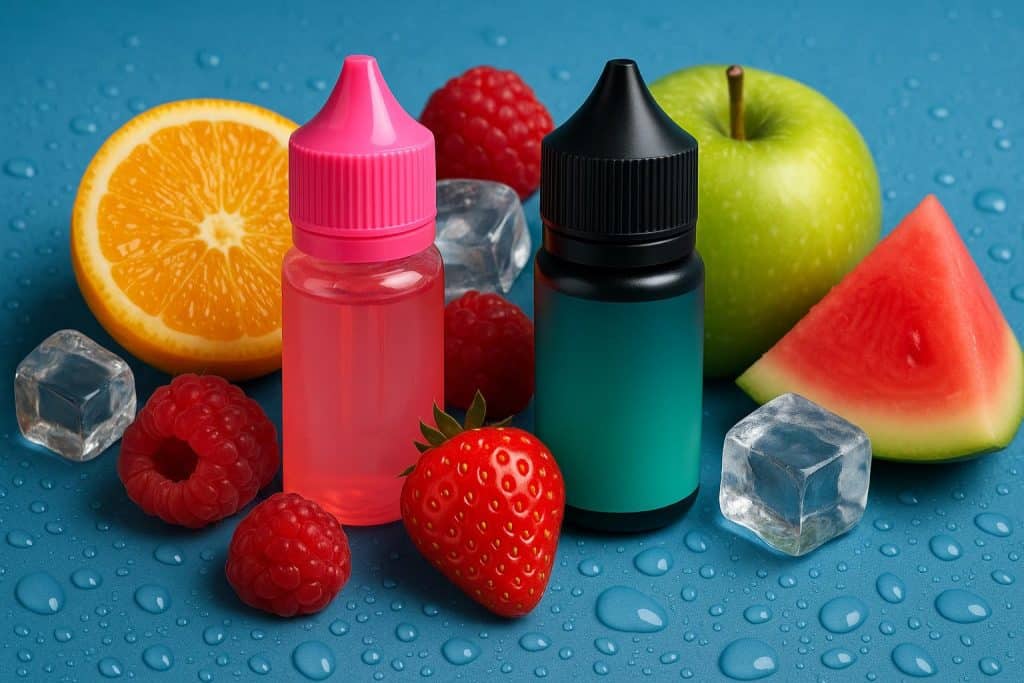
Something curious happens when you compare the contents of a prefilled vape pod against a standard bottle of nicotine salt e liquid. The ingredients match. The flavour profiles align. The nicotine delivery feels identical. Yet one costs three to four times more than the other. Understanding this pricing gap transforms how savvy UK vapers approach their purchases.
Following the Money
Prefilled pod systems emerged as the mainstream answer to the disposable ban. Brands like ELFBAR, Lost Mary, and SKE launched hardware requiring proprietary pods, positioning these as the natural next step for former disposable users.
The convenience pitch landed effectively. No bottles to carry, no filling to master, no risk of spillage. Slide a fresh pod into place and continue vaping. Simple messaging for uncertain consumers navigating unfamiliar territory.
What the marketing omitted was context around value. A 2ml prefilled pod retails between £5 and £7. The 10ml auto refill containers found in big puff systems cost £7 to £8. These prices feel reasonable in isolation until you discover the alternative.
Bottled nicotine salts from the same manufacturers contain identical liquid. Elfliq nic salts use the same formulations as ELFBAR prefilled pods. Bar Juice delivers flavour profiles matching popular disposables. The difference is packaging and a price tag starting at £1.99 per 10ml.
Calculating the True Cost
Numbers clarify what marketing obscures. Average vapers consume around 30ml weekly. Using prefilled systems at current pricing, weekly spending sits between £15 and £24. Monthly costs reach £60 to £100. Annual totals approach £1,000 for regular users.
Switching to refillable pods with bottled nic salts changes these figures dramatically. At £1.99 per 10ml, weekly costs drop to £6. Monthly spending falls below £26. Annual totals stay under £320.
The gap exceeds £600 annually for typical consumption. Heavier users save proportionally more. These savings compound year after year while prefilled users continue paying the convenience premium indefinitely.
What Prefilled Systems Take Away
Beyond cost, prefilled pods impose restrictions that bottled alternatives avoid.
Nicotine flexibility vanishes. Prefilled options overwhelmingly contain 20mg strength with no alternatives. Vapers hoping to gradually reduce their intake find themselves trapped at maximum strength. Bottled nic salts offer 5mg, 10mg, and 20mg options, supporting reduction at whatever pace feels comfortable.
Flavour variety shrinks considerably. Each prefilled system offers perhaps 15 to 20 flavour options. Bottled nic salts across all brands number in hundreds. Niche profiles, limited editions, and regional favourites exist only in bottle form.
Hardware flexibility disappears entirely. Prefilled pods function exclusively with their matching battery unit. Abandon the system and your remaining pod stock becomes worthless. Refillable kits accept any bottled liquid regardless of brand or origin.
The Thirty Second Reality Check
Manufacturers position refilling as complicated, messy, and time consuming. This characterisation serves their pricing model rather than reflecting reality.
Modern refillable pods feature top fill mechanisms requiring no tools or special technique. Remove the cap, squeeze the bottle, replace the cap. The process takes under thirty seconds and presents no greater difficulty than filling any household container.
First time users master the technique within a day. By week two, refilling becomes automatic. The brief learning investment returns £600 or more annually in reduced spending.
Where Value Actually Exists
UK online retailers have driven bar salt pricing to levels that make prefilled systems economically indefensible. Ecigone stocks all the popular bar salts at just £1.99 per bottle, including Elfliq, Bar Juice, SKE Crystal, and Maryliq ranges. Free next day delivery on orders over £30 removes any argument about convenience or accessibility.
At these prices, the only remaining justification for prefilled systems is genuine inability to manage basic refilling. For the vast majority of vapers, that justification does not exist.
The vaping industry built the prefilled market on consumer uncertainty following the disposable ban. Informed vapers recognise the markup for what it is and choose accordingly. The same flavours, the same satisfaction, and hundreds of pounds retained rather than surrendered to artificial convenience pricing.