

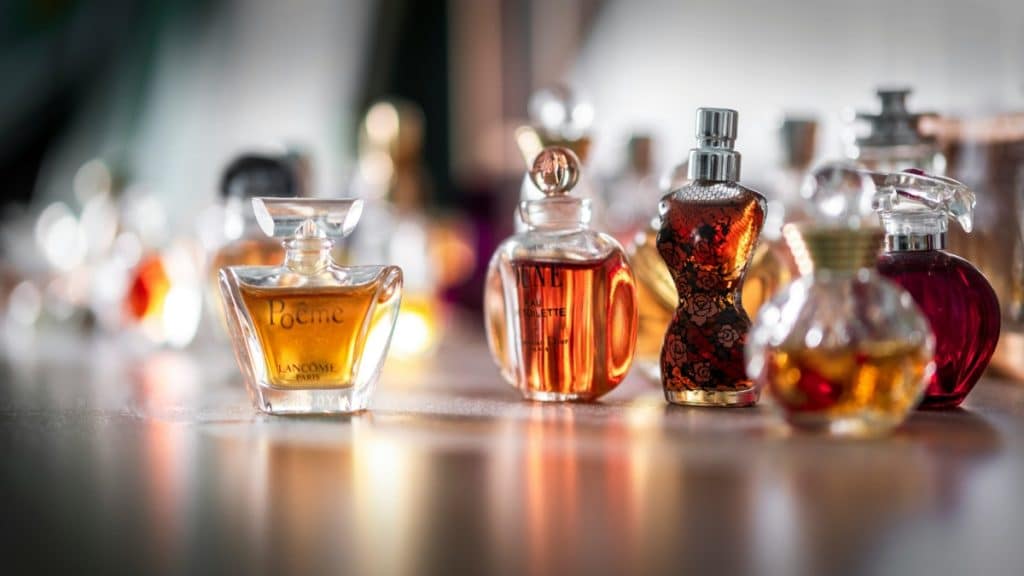
Perfume has been an integral part of human culture and rituals for thousands of years. However, the way perfume has been stored and presented has undergone a fascinating evolution over the centuries. One of the most iconic and enduring forms of perfume packaging is the glass perfume bottle. In this article, we delve into the rich history of glass perfume bottles: from their origins in antiquity to the modern designs we know today.
The first perfume bottles
The origins of perfume date back to the ancient civilizations of Mesopotamia, Egypt, and ancient Greece. In these early times, perfumes were often made from natural ingredients such as flowers, herbs, and resins. However, the first perfume bottles were not made of glass, but of clay, stone, or alabaster. These materials were chosen for their durability and ability to preserve the scent of the perfume.
The use of glass for perfume bottles began around 1500 BC in Egypt, where glassblowing was developed. The Egyptians discovered that glass was not only functional but also aesthetically pleasing. They created small, colorful glass bottles that were used to store oils and perfumes. These early glass perfume bottles were often richly decorated and considered luxury items, reserved for the elite.
Perfume as a luxury product
During the Middle Ages, the use of perfume spread throughout Europe, largely thanks to the influence of the Arab world. Perfume increasingly became seen as a luxury product, and its packaging grew in importance. Glass perfume bottles became more refined and complex, often adorned with gemstones and metal details.
In this period, perfume was used not only for personal care but also for religious and medicinal purposes. The glass bottles in which these perfumes were stored were often small and delicate, designed to protect and preserve the precious contents. Glass became increasingly valued for its inertness, meaning it did not affect the scent of the perfume, unlike other materials such as metal or wood.
The rise of perfume in Europe
The Renaissance brought a revival of art and culture in Europe, and perfume played an important role in this. Especially in France, Italy, and Spain, perfume became a symbol of status and refinement. Glass perfume bottles increasingly became an art form in their own right, with intricate designs and engravings reflecting the wealth and taste of the owner.
At this time, perfume bottles were often made from Venetian glass, which was famous for its clarity and beauty. Venetian glassblowers developed new techniques to create delicate and detailed bottles, often decorated with gold and enamel. These bottles were not only functional but also decorative, and were often displayed as status symbols.
Industrial revolution and mass production
With the Industrial Revolution in the 19th century, the production of glass perfume bottles changed dramatically. Where perfume bottles were previously handmade by artisans, the advent of machines made mass production possible. This meant that perfume, and the accompanying glass bottles, became more accessible to a wider audience.
In the 20th century, the design of glass perfume bottles became increasingly important for the marketing of perfumes. Iconic designers such as René Lalique and Coco Chanel played a crucial role in creating some of the most recognizable perfume bottles in history. Lalique, a famous French glass designer, introduced innovative techniques such as frosted glass and relief, which are still used in modern perfume bottles.
Chanel No. 5, launched in 1921, is perhaps the most famous example of a glass perfume bottle that has achieved iconic status. The sleek, minimalist design of the bottle was revolutionary at a time when most perfume bottles were lavishly decorated. This design set the stage for many modern perfume bottles, which often combine simplicity and elegance.
Modern times
Today, glass perfume bottles are still the standard in the perfume industry. They are valued for their ability to preserve the scent of the perfume and their aesthetic appeal. Modern perfume bottles range from minimalist designs to complex works of art, with designers constantly finding new ways to combine form and function.
An important aspect of modern glass perfume bottles is sustainability. In an era where environmental awareness is becoming increasingly important, many brands are choosing to make their bottles from recycled glass or offer refillable options. Glass is an environmentally friendly material because it can be infinitely recycled without losing quality. This makes glass perfume bottles or glass skincare bottles a sustainable choice for both consumers and producers.
The future
The future of glass perfume bottles looks promising, with ongoing innovations in both design and production. Increasing attention is being paid to the use of sustainable materials and production methods, such as the use of recycled glass and energy-efficient production techniques. Additionally, designers are experimenting with new shapes and functions, such as smart packaging that allows interaction with the user.
Although technology and trends in the perfume industry continue to evolve, the glass perfume bottle remains a timeless symbol of luxury and refinement. Whether it is a handmade bottle from an artisan or a mass-produced item from a major brand, glass perfume bottles remain an important part of the perfume experience.