

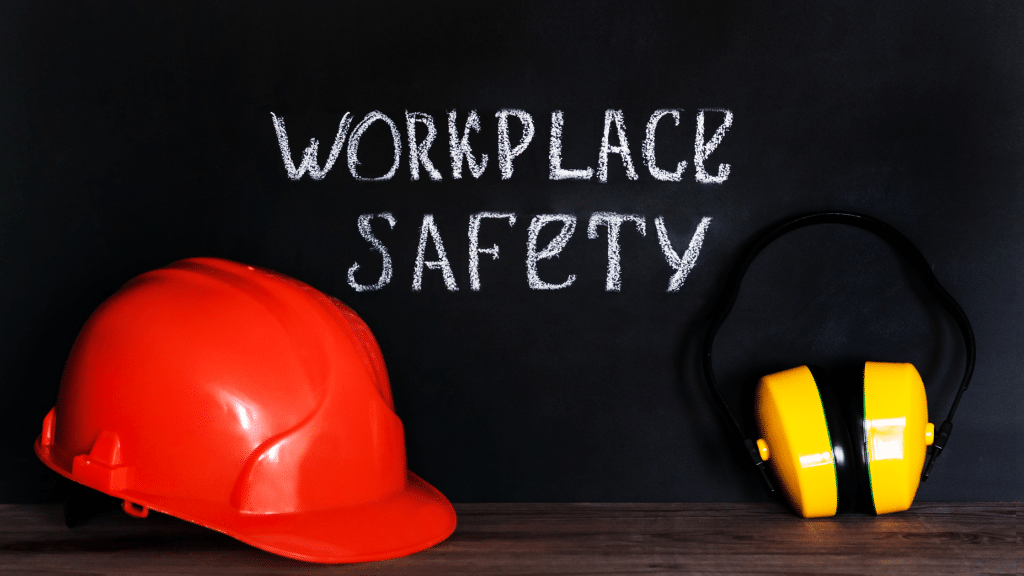
Workplace safety is one of the most important responsibilities for any business. Whether you run a small company or manage a large organisation, protecting your team should always be a top priority. When safety standards are properly followed, employees feel valued, productivity increases, and businesses avoid costly mistakes.
But maintaining a safe workplace is not always easy. Rules change, risks evolve, and organisations need expert guidance to stay compliant. That is why many businesses choose to work with safety professionals to ensure they are meeting all legal and practical requirements.
This article explains why workplace safety matters, the benefits of prioritising it, and why hiring a Work Health and Safety Consultant can help businesses avoid risk and build a safer future.
Understanding Workplace Safety
Workplace safety refers to the steps and systems that protect employees from injuries, accidents, and health risks. This can include safe equipment, proper training, emergency procedures, and awareness of hazards.
Every workplace — whether an office, factory, warehouse, or retail space — has its own risks. Slippery floors, electrical faults, heavy machinery, and even poor lighting can cause serious harm if not managed correctly. Workplace safety ensures that these risks are identified early and prevented before they cause damage.
Why Workplace Safety Should Be a Business Priority
Making safety a priority is not only the right thing to do — it also benefits your business in several important ways.
1. Protecting Employees
Employees are the foundation of any business. If they feel unsafe, their confidence drops, and morale suffers. But when employers show genuine care by creating safe working conditions, team members feel valued and supported.
2. Increasing Productivity
A safe workplace is a productive workplace. When equipment works properly, walkways are clear, and employees know how to perform tasks safely, they work more efficiently. Fewer disruptions from accidents mean smoother operations and better output.
3. Reducing Costs
Accidents can result in medical bills, legal fees, compensation claims, and equipment repairs. These costs add up quickly. Preventing accidents with strong safety systems is far more affordable than dealing with the consequences of unsafe practices.
4. Maintaining Legal Compliance
Most countries have strict safety regulations. Failing to follow them can lead to fines, legal troubles, or business shutdowns. Staying compliant keeps your business operating smoothly and protects your reputation.
The Hidden Costs of Ignoring Workplace Safety
Some business owners ignore safety because they assume accidents “won’t happen here.” But the hidden costs of poor workplace safety go beyond financial losses.
Employees working in unsafe conditions often feel stressed or afraid. This leads to higher employee turnover, absenteeism, and poor performance. Unsafe workplaces also harm your reputation with customers and partners, potentially affecting long-term business growth.
Ignoring safety today can create bigger problems tomorrow — which is why businesses must take a proactive approach rather than responding only after something goes wrong.
Why Businesses Need a Work Health and Safety Consultant
Workplace safety has many layers — policies, inspections, training, equipment checks, emergency plans, and compliance rules. Most business owners do not have the time or expertise to manage everything themselves. This is where work health and safety consultants become essential.
A consultant provides expert guidance to identify hazards, create safety plans, and help the business meet all legal requirements. Here are some reasons why hiring one is beneficial:
1. Expert Knowledge You Can Trust
Safety consultants are trained professionals with up-to-date knowledge of safety laws, risks, and industry best practices. They understand how to examine a workplace thoroughly and pinpoint issues you may overlook.
2. Accurate Risk Assessment
Consultants can identify hazards early, whether physical, behavioural, or procedural. Once risks are discovered, they help implement practical solutions to prevent accidents from happening.
3. Custom Safety Strategies
Every business is different. A consultant tailors safety policies, procedures, and training programs to your specific industry and working environment. This personalised approach ensures your safety strategy is effective and realistic.
4. Training and Staff Education
Employees need proper training to work safely. Consultants can deliver training sessions, demonstrations, and workshops that teach workers what to do in emergency situations and how to use equipment correctly.
5. Ensuring Compliance and Avoiding Penalties
Safety laws can be complicated. A consultant helps you stay compliant and avoid fines. They also prepare documentation, maintain records, and ensure your business is ready for audits or inspections — including areas related to ISO auditing.
6. Peace of Mind
Knowing an expert is monitoring and managing your safety requirements allows you to focus on what you do best: running your business.
How a Safety Consultant Strengthens Your Workplace Culture
Workplace safety is not only about rules and equipment — it is also about culture. A strong safety culture encourages employees to care for themselves and each other. Safety becomes part of daily work habits.
A consultant helps shape this culture by:
- Improving communication between management and staff
- Creating clear responsibilities
- Establishing regular safety meetings
- Encouraging reporting of hazards without fear
- Building trust among team members
When employees see that safety is taken seriously, they become more engaged and committed.
Practical Steps a Consultant Helps Implement
A Work Health and Safety Consultant assists with several practical strategies, including:
- Conducting safety audits and inspections
- Developing emergency response plans
- Creating hazard reporting systems
- Updating safety manuals
- Recommending safe equipment and tools
- Investigating workplace incidents
- Improving training programs
- Evaluating chemical or environmental risks
These systems help build long-term safety and create an organised approach to reducing accidents.
Conclusion: Invest in Safety Today for a Stronger Tomorrow
Workplace safety is essential for protecting your employees, improving productivity, reducing costs, and maintaining legal compliance. While many businesses try to manage safety on their own, the complexity of today’s safety requirements makes expert guidance more valuable than ever.