

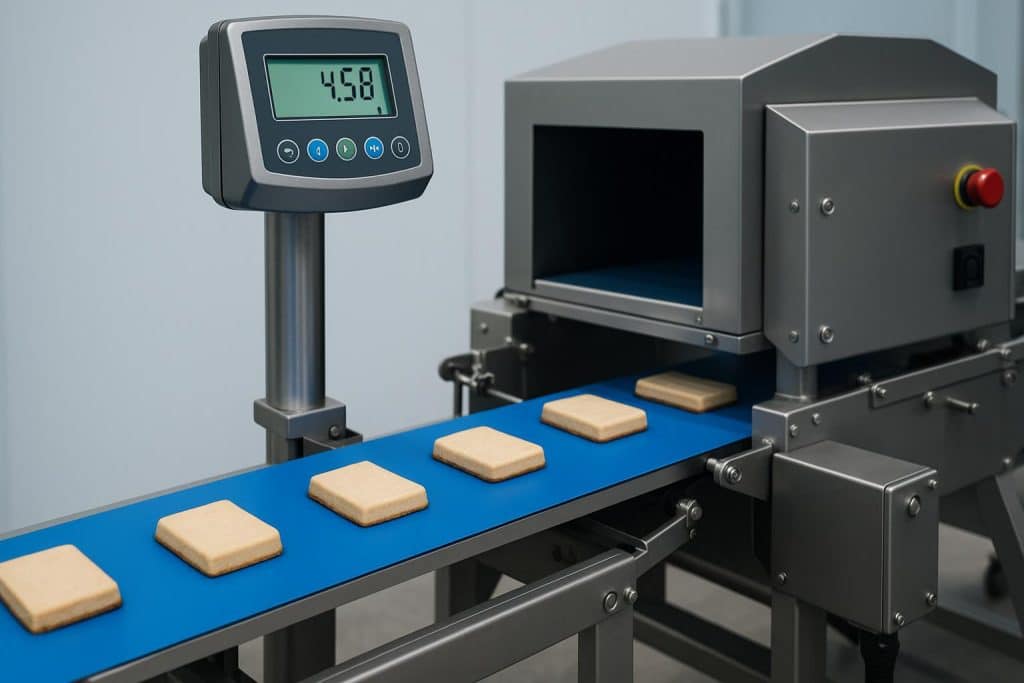
Ever walked through a factory and watched workers manually inspect every single product coming off the line? It’s pretty impressive, honestly. But also kind of exhausting to think about. The good news is that smart weighing and inspection systems are stepping in to give quality control a major upgrade.
Why Traditional Quality Control Makes Everyone’s Head Spin
Picture this: you’ve got hundreds, maybe thousands of products rolling through your facility every day. Each one needs to be checked for weight, size, defects, you name it. Traditional methods rely heavily on human eyes and basic scales. Don’t get me wrong, experienced quality control folks are incredibly skilled. But even the sharpest eyes get tired, and manual processes can be, well, slow.
The thing is, customers expect perfection these days. One wonky product slips through, and suddenly you’re dealing with returns, complaints, and a headache that nobody wants.
Enter the Smart Systems (Finally!)
Here’s where things get interesting. Smart weighing and inspection systems are basically the overachievers of the quality control world. These systems combine precision scales with advanced imaging technology and some seriously clever software.
What makes them “smart”? They learn. The more products they process, the better they get at spotting issues that human inspectors might miss. We’re talking about systems that can detect weight variations down to fractions of a gram and spot visual defects that are barely visible to the naked eye.
The real magic happens when these systems integrate with your existing production line. They’re not just sitting there doing their own thing. They’re communicating with other equipment, adjusting processes in real-time, and keeping detailed records of everything they check.
The Numbers Don’t Lie
Companies using smart weighing and inspection systems typically see some pretty impressive results. Error rates drop significantly, sometimes by as much as 90%. Speed increases too, because these systems can process products way faster than manual inspection.
But here’s something that might surprise you: the return on investment often shows up within the first year. Sure, there’s an upfront cost, but the savings from reduced waste, fewer returns, and increased efficiency add up quickly.
Real-World Magic in Action
Take food packaging, for example. A smart system can weigh each package, check that labels are straight and properly placed, verify that seals are intact, and even detect foreign objects that shouldn’t be there. All of this happens in seconds as products move down the line.
In pharmaceutical manufacturing, these systems are absolute game-changers. They can verify that each pill bottle has exactly the right number of tablets and that caps are properly tightened. The precision required in pharma makes smart inspection systems pretty much essential.
Getting Started Without the Overwhelm
The thought of implementing new technology can feel daunting, but it doesn’t have to be an all-or-nothing situation. Many companies start by upgrading one inspection point and then expand from there.
Working with experienced suppliers makes a huge difference. Companies like Diverseco specialize in helping businesses find the right smart weighing and inspection solutions for their specific needs. They understand that every operation is different and what works for one company might not be the best fit for another.
Looking Ahead
The truth is, smart weighing and inspection systems aren’t just a nice-to-have anymore. They’re becoming essential for staying competitive. As technology continues to advance, these systems will only get smarter and more capable.
For companies still relying on manual quality control processes, now might be the perfect time to explore what smart systems can do. The technology has matured, costs have come down, and the benefits are clear. Your quality control team will thank you, your customers will notice the difference, and your bottom line will definitely appreciate it.