

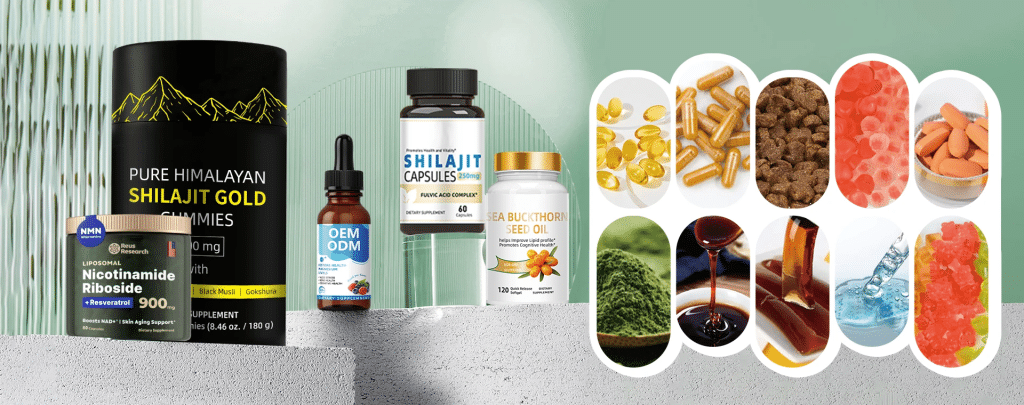
What began as a niche market now powers a fast-moving part of the wellness world. People everywhere are reaching for pills and powders meant to boost focus, fight fatigue, strengthen skin, or just feel balanced. With interest climbing, companies race to stand out in a crowd already packed with promises supplement making companies. Yet beneath glossy bottles and bold claims sits a web of rules, research demands, and production hurdles few plan for – and those who skip them pay later.
A fresh look at making dietary supplements shows rough spots many miss. If you run a new company or work for a known name, these hurdles matter just the same. Behind every bottle lies a trail of assumptions that often lead nowhere good. Most people think it's simple – mix ingredients, label, sell. Reality hits hard when rules change overnight or tests fail without warning. Some rely on shortcuts that backfire fast. Others trust outdated methods like old lab notes or word-of-mouth formulas. Problems grow quietly until they can’t be ignored. Fixes exist, yet few apply them correctly. Warnings get buried in paperwork nobody reads. Success hides not in speed but in what gets checked twice.
Industry Background (Compliance + Market)
Depends on location what fits inside a bottle labeled as a supplement, but safety remains the goal everywhere. In the U.S., oversight comes from the FDA under a rule named DSHEA. These items don’t need proof of effectiveness prior to sale – different from actual drugs. Even so, companies must stick to hygienic manufacturing standards, present accurate labels, while keeping dangerous elements out.
Factories around the world follow rules such as ISO 22000, HACCP, HALAL, or BRCGS to match what buyers require. Staying up to date with these helps companies sell legally while keeping trust.
Now more than ever, companies turn to outside makers for nutritional supplements contract manufacturing, aiming to keep up with customer needs without sacrificing standards or rules. These specialized partners act like extra arms of the business, guiding processes that span mixing ingredients, checking consistency, and right through to sealing bottles.
One firm turning heads lately? Jiabeikang (Guangzhou) Pharmaceutical Holding Co., Ltd. From lab work straight through to mass production, it all happens under one roof here. Quality control stays tight at every turn, while also crafting meds for third-party brands on request. The edge they hold comes down to their facility – built to match GMP rules without compromise. Chewy gummies show up beside tablets, while loose powders sit next to small bottles of liquid drops. With these shapes around, companies move quickly, fitting rules without delay. Products land on store displays sooner because of it.
Common Misconceptions
Despite the growing popularity of supplements, several persistent misunderstandings can sabotage product development:
Misconception 1: “Natural equals safe.”
It's often thought that if something comes from a plant, it must be safe. Yet many naturally occurring substances can strongly affect the body. Some interfere with prescription drugs when taken together. Others lead to unwanted reactions depending on how much is used. Judging safety just by where an ingredient comes from misses key health risks entirely.
Misconception 2: “Familiar ingredients don’t need research.”
A single study on a nutrient won’t guarantee results for every version made. When ingredients mix, how the body absorbs them might shift – sometimes unpredictably. Who uses the product also plays a role in what happens. Assuming one test fits all setups risks trust more than progress ever could.
Misconception 3: “Regulatory compliance stops at labeling.”
It starts long before the label is printed. Real compliance means meeting rules about how products are made, where they’re made, and what goes into them. Tracking every ingredient matters just as much as records of each production step. When problems arise after release, silence isn’t an option – reporting counts too. Overlooking any piece risks penalties or vanishing from shelves.
Reasons Behind the Problems
Understanding why these misconceptions persist sheds light on how to avoid them:
A. Limited Scientific Insight
Starting out, making good supplements means understanding how nutrients work inside the body, how they move through it, what happens when mixed, plus how cells react. Some companies skip deep research – instead chasing popular terms or ingredients that sound impressive but lack backing. Instead of relying on real science, these brands often follow noise.
B. Commercial Pressures Over Rigor
Speed often pulls companies into tight spots – testing gets lighter, promises stretch beyond proof, and looks begin to matter more than lasting quality. Quick wins might show up on spreadsheets at first, yet trouble with regulators or lost trust can follow close behind.
C. Fragmented Regulatory Landscape
Different markets enforce different requirements. For example, an ingredient permitted in one country might face restrictions in another. Without a comprehensive regulatory strategy, brands risk import barriers or non-compliance fines.
D. Underestimating Manufacturing Complexity
Things go wrong when expectations aren’t clear. One side might assume what the other never confirms. Poor details lead to flawed items or uneven output. Trust matters just as much as paperwork. When standards drift, problems follow – sometimes invisible at first. Shared understanding shapes every batch. Success hides in how both sides talk before production begins.
Mainstream Industry Solutions
Thankfully, the industry offers structured approaches to tackle these challenges:
1. Strategic Contract Manufacturing Partnerships
Working alongside seasoned producers speeds up progress without cutting corners on standards or rules. What Jiabeikang offers sits under a single roof – tailored recipes, branded labeling options, plus complete production handling, starting at ingredient pickup and ending at packaged goods ready to ship. Because they operate within certified labs and hold global approvals, companies find it easier to build items that pass strict checks. Finished batches arrive clean, tested, and aligned.
2. Evidence-Based Formulation
Top companies build products using science checked by experts. Because results matter, they pick components proven safe and effective through studies. When feasible, they test exact formulas to see how well things work out in daily life.
3. Proactive Regulatory Strategy
From the start, rules shape how products grow. Think about whether ingredients are allowed where you sell. Match what's on the label to official terms used by authorities. Write things down carefully as you go. Bring in rule specialists sooner rather than later – fixes after launch take time. Later stages depend on choices made at the beginning.
4. Comprehensive Quality Assurance
Checking materials when they arrive helps catch problems early. Throughout production, regular inspections keep things on track. Products get tested once complete to confirm they meet standards. Outside labs run their own tests, adding another level of confidence. This outside look makes people feel more certain about what they are using.
5. Transparent Brand Communication
Clear and honest marketing resonates with discerning consumers. Instead of exaggerated claims, top brands educate users about benefits supported by science, proper usage, and safety advice, which strengthens brand loyalty.
Summary + Risk Warning
Picking what goes inside isn’t where it ends. Behind each label lies testing most never see. Steps like proving effectiveness quietly shape results. Making the product demands precision that few expect. Rules must be followed strictly. Checks happen again and again before anything ships.
Few stop to question beliefs such as nature equals safe or rules mean just slapping on a label. These unexamined ideas often result in weak formulas, run-ins with regulators, and damage to public trust. Still, forward-thinking steps – grounded in solid research, smart design choices, reliable allies – open another path. One company walking it? Jiabeikang, where making supplements under private labels comes paired with rigor and care. Outcomes tend to be stronger, cleaner offerings that find space even amid fierce competition.
Fair warning: supplements like vitamins try to support how your body works – yet they aren’t treatments for illness. Before taking any, get advice from a healthcare professional, especially if you’re pregnant, nursing, managing long-term conditions, or already on medication. Making these without following the correct procedures can go badly wrong.