

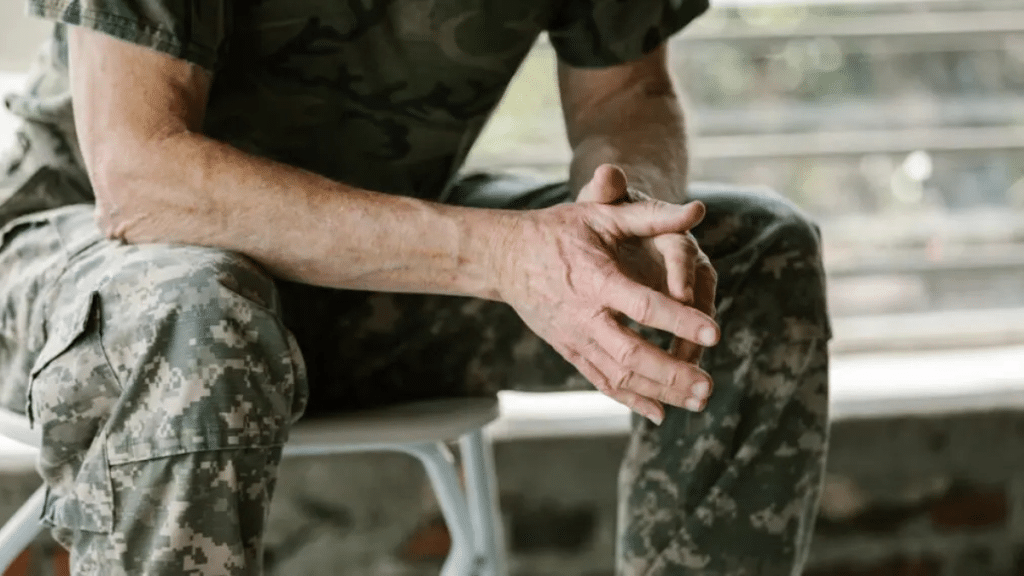
Military service members and veterans often face unique mental health challenges, including post-traumatic stress disorder (PTSD), depression, anxiety, and an elevated risk of suicide. Traditional therapeutic approaches, while effective, may not always be accessible or sufficient to meet the diverse needs of this population. Recent advancements in artificial intelligence (AI) offer promising avenues to augment mental health support for military personnel.
The Mental Health Landscape for Military Personnel
Studies indicate that approximately 13.9% to 17.6% of veterans who served in operations such as Enduring Freedom and Iraqi Freedom experience PTSD. Moreover, the transition from active duty to civilian life can exacerbate mental health issues, leading to increased risks of depression and suicide. Barriers such as stigma, limited access to care, and logistical challenges often hinder timely and effective treatment.
AI-Powered Solutions in Military Mental Health
AI therapy for military personnel is transforming mental health care by providing accessible, confidential, and personalized support. Key solutions include predictive analytics for suicide prevention, AI-driven virtual therapists that encourage open communication about PTSD, mobile apps offering 24/7 cognitive behavioral therapy and mood tracking, and AI-enhanced augmented reality exposure therapy.
Predictive Analytics for Suicide Prevention
Researchers at Massachusetts General Hospital have developed AI models capable of predicting suicide risk among U.S. Army veterans with moderate to good accuracy using data available before they leave active service. These models analyze various factors to identify individuals at high risk, enabling targeted preventive interventions.
Virtual Therapists and Chatbots
AI-driven virtual therapists, such as “Abby,” have shown promise in encouraging service members to disclose PTSD symptoms more effectively than traditional methods. These virtual agents provide a non-judgmental environment, increasing the likelihood of honest communication.
Mobile Applications for Continuous Support
Platforms like Abby offer AI-powered mental health support tailored for military personnel and veterans. These applications provide confidential, 24/7 assistance, including cognitive behavioral therapy techniques and mood tracking, facilitating ongoing mental health management.
Augmented Reality Exposure Therapy (ARET)
Innovative approaches like ARET utilize AI-enhanced augmented reality to simulate real-life social contexts, aiding in the treatment of anxiety disorders and PTSD by providing controlled exposure to triggering environments.
Benefits of AI Integration
- Accessibility: AI tools offer immediate support, overcoming geographical and scheduling barriers.
- Anonymity: Service members may feel more comfortable discussing sensitive issues with AI, reducing stigma-related obstacles.
- Consistency: AI provides uniform support, ensuring that users receive standardized care regardless of location or time.
Challenges and Considerations
While AI presents numerous advantages, it is essential to address potential limitations:
- Data Privacy: Ensuring the confidentiality of sensitive information is paramount.
- Ethical Concerns: The use of AI in mental health must be guided by ethical frameworks to prevent misuse.
- Human Oversight: AI should complement, not replace, licensed mental health professionals, maintaining the therapeutic alliance crucial for effective treatment.
Conclusion
AI therapy represents a significant advancement in supporting the mental health of military personnel and veterans. By providing accessible, consistent, and personalized care, AI serves as a valuable adjunct to traditional therapies. Continued research, ethical vigilance, and integration with human oversight will be essential in harnessing the full potential of AI to enhance the well-being of those who have served.