

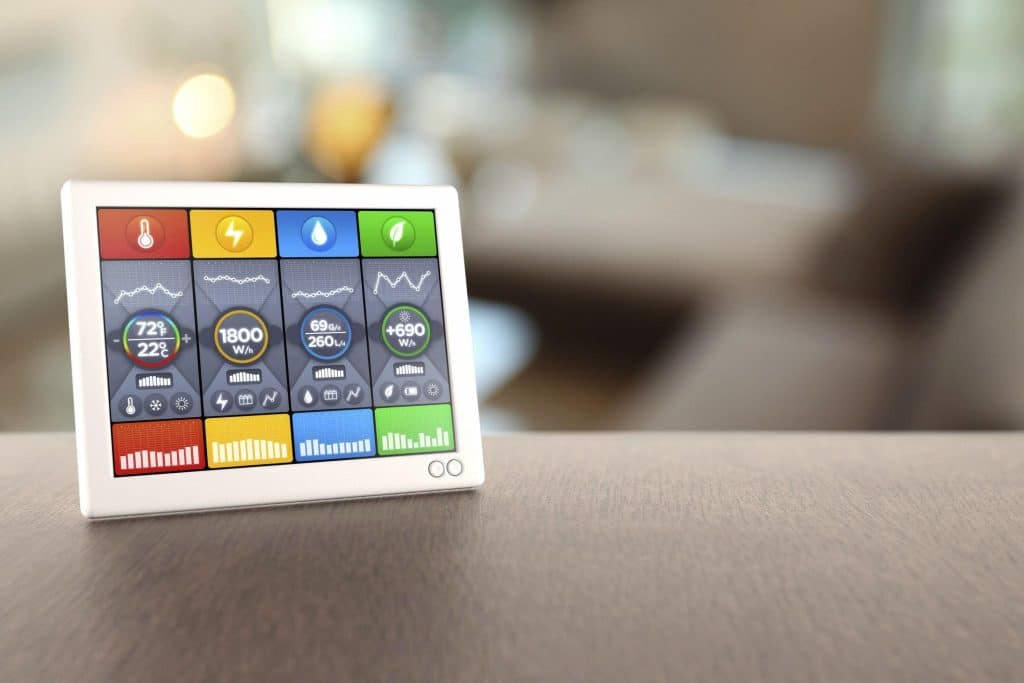
In an era defined by fluctuating global energy markets and an urgent need for environmental stewardship, energy savings has evolved from a niche concern into a universal imperative. It represents the most immediate, accessible, and cost-effective pathway to reducing utility bills, enhancing energy security, and mitigating the pervasive effects of climate change. Far from being a sacrifice, energy saving is a proactive strategy a powerful combination of mindful habits and smart technological adoption that yields tangible, long-term benefits for individuals, businesses, and the planet.
The Imperative: Why Save Energy?
The motivations behind energy saving are multi-faceted, extending well beyond the bottom line.
- Financial Relief: This is the most direct benefit. Every unit of energy conserved translates directly into lower electricity and gas bills, freeing up significant household or operational capital.
- Environmental Responsibility: The majority of global energy is still generated by burning fossil fuels, which releases greenhouse gases. By reducing energy consumption, we lower the demand for these fuels, directly reducing carbon emissions and our overall carbon footprint.
- Enhanced Energy Security: Conservation lessens the strain on the energy grid and reduces a nation’s reliance on imported fuel sources, leading to a more resilient and stable energy supply.
- Increased Comfort and Home Value: Many energy-saving measures, such as insulation and weatherization, result in a more comfortable home environment, eliminating drafts and maintaining steady temperatures. These improvements also often increase the resale value of a property.
The Low-Hanging Fruit: Conservation and Behavioral Changes
The simplest and most immediate energy savings come from adjustments to daily habits. These actions require no capital investment and can be implemented instantly.
Lighting and Electronics
The simplest acts of conservation often involve controlling your devices.
- The “Off” Switch: Make it a habit to turn off lights when leaving a room and switch off televisions, computers, and other electronics when not in use.
- Eliminate Phantom Power: Many appliances such as phone chargers, TVs, and coffee makers continue to draw small amounts of electricity even when turned off or in standby mode. This “phantom load” or “vampire power” can account for a significant portion of an electricity bill. Using smart power strips or simply unplugging devices when not in use can eliminate this drain.
- Optimize Computer Settings: Enable the “sleep mode” on computers and monitors to automatically power down after a short period of inactivity.
Heating, Cooling, and Water Use
Heating and cooling (HVAC) and hot water generation are typically the largest energy consumers in a household.
- Control the Thermostat: Set your thermostat a few degrees lower in winter (e.g., 18 C to 20 C) and a few degrees higher in summer (e.g., 26 C or above). Every degree of adjustment can significantly impact consumption. Install a smart or programmable thermostat to automate temperature adjustments based on your schedule.
- Manage Windows and Curtains: In cold weather, open curtains and blinds during the day to capture free solar heat, and close them at night to insulate the room. In warm weather, keep them closed during the day to block the sun’s heat.
- Be Smart with Hot Water: Hot water can account for up to 25% of a household’s energy bill. Take shorter showers instead of baths, install low-flow showerheads, and wash clothes in cold water whenever possible, as modern detergents are highly effective in cold cycles.
Kitchen and Appliances
- Run Full Loads: Only run the dishwasher or washing machine when they are completely full.
- Optimal Cooking: Use a microwave or toaster oven for small portions, as they use significantly less energy than a full-sized oven. When using the stovetop, always cover pots with lids to trap heat and reduce cooking time.
- Refrigerator Maintenance: Ensure the refrigerator door seals are tight and clean the condenser coils regularly. Place the fridge away from direct sunlight or the oven to prevent it from working harder to stay cool.
Mid-Level Investments: Upgrading for Efficiency
For those willing to make a modest investment, upgrading key home components can deliver guaranteed long-term savings.
Lighting Technology
The single most impactful upgrade is the shift to modern lighting.
- Switch to LED: Replace incandescent and even older CFL bulbs with LED (Light Emitting Diode) bulbs. LEDs use up to 80% less energy and last 25 times longer than traditional incandescent bulbs, drastically reducing both electricity and replacement costs.
Sealing and Insulation
Preventing air leaks and maximizing thermal resistance is crucial for HVAC efficiency.
- Air Sealing (Draught-Proofing): Identify and seal air leaks around windows, doors, electrical outlets, and plumbing penetrations using caulk and weatherstripping. Leaks are one of the biggest sources of energy loss.
- Insulation: Properly insulating your attic, walls, and crawl spaces can reduce heating and cooling costs by up to 30%.
- Duct Sealing: Leaky air ducts in forced-air systems can waste a huge amount of energy. Have ducts inspected and sealed, especially those running through unconditioned spaces like basements or attics.
Appliance Replacement
When an old appliance fails, or if you are renovating, prioritize efficiency.
- ENERGY STAR®: Look for the ENERGY STAR® label, which signifies that an appliance meets strict energy-efficiency guidelines set by government bodies. Modern refrigerators, washers, dryers, and dishwashers are far more efficient than models from even a decade ago.
High-Level Strategies: Structural and Renewable Solutions
These represent the most significant investments but offer the highest potential for energy savings and independence.
Advanced HVAC Systems
Replacing an outdated furnace or central air conditioner with a high-efficiency system offers substantial savings.
- Heat Pumps: Modern heat pumps especially ductless mini-split systems are extremely efficient for both heating and cooling, moving heat rather than generating it.
- High-Efficiency Boiler/Furnace: If replacing a system, opt for a model with a high AFUE (Annual Fuel Utilization Efficiency) rating.
Renewable Energy Integration
Installing renewable energy technology is the ultimate step toward energy autonomy.
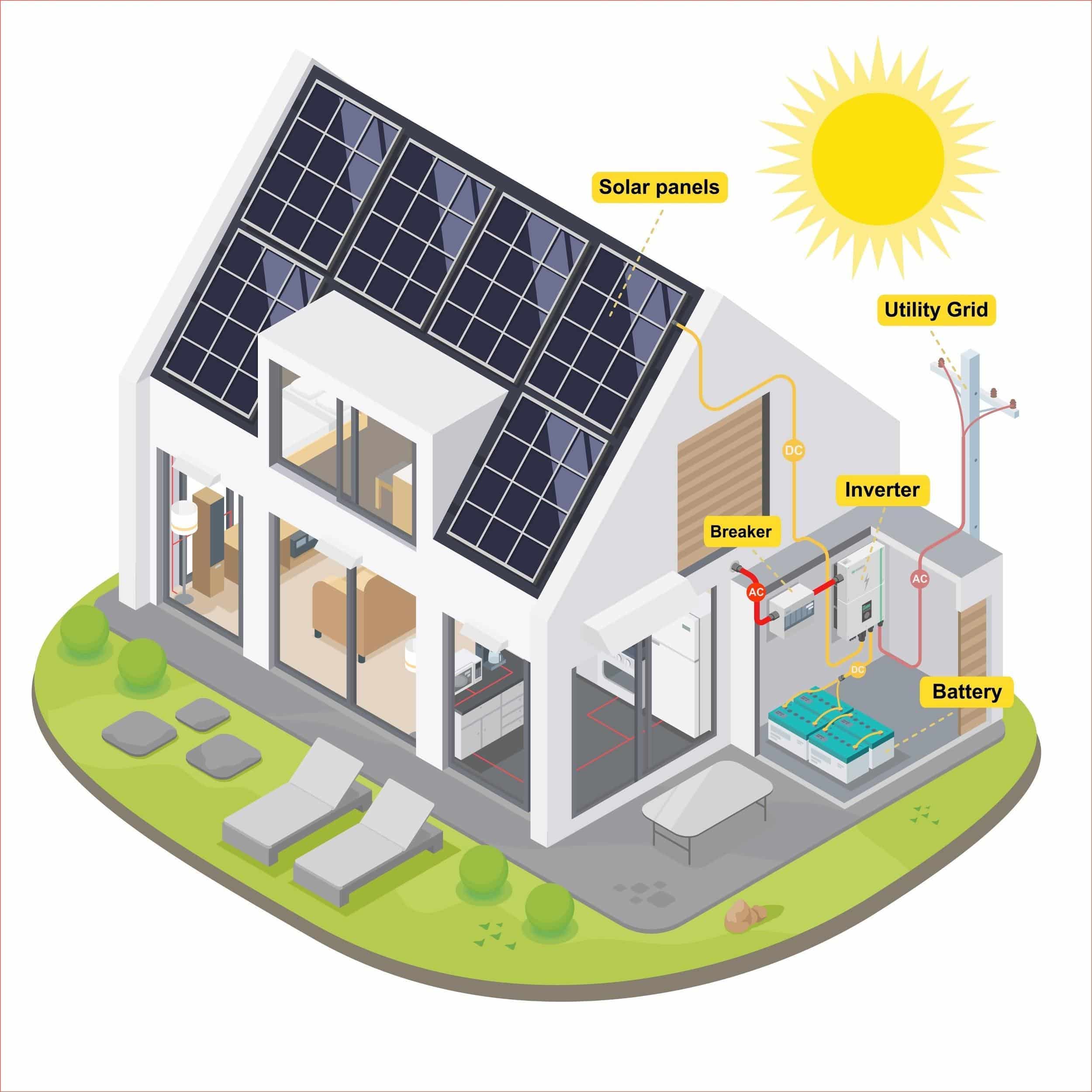
- Solar Photovoltaics (PV): Installing solar panels on a rooftop generates clean electricity, directly offsetting grid power consumption and potentially selling excess power back to the utility (net metering).
- Solar Water Heating: Use the sun’s energy to pre-heat water before it enters the conventional water heater, significantly reducing the energy required for this major load.
Conclusion: The Continuous Cycle of Efficiency
Energy savings is not a one-time project; it’s a continuous process of monitoring, upgrading, and mindful usage. Start with the free behavioral changes, then move to cost-effective conservation measures, and finally, plan for long-term investments in efficiency and renewable technology. The collective impact of these individual actions is immense, leading to lower costs for every household and a healthier, more sustainable future for the planet. The power to save is truly in your hands.