

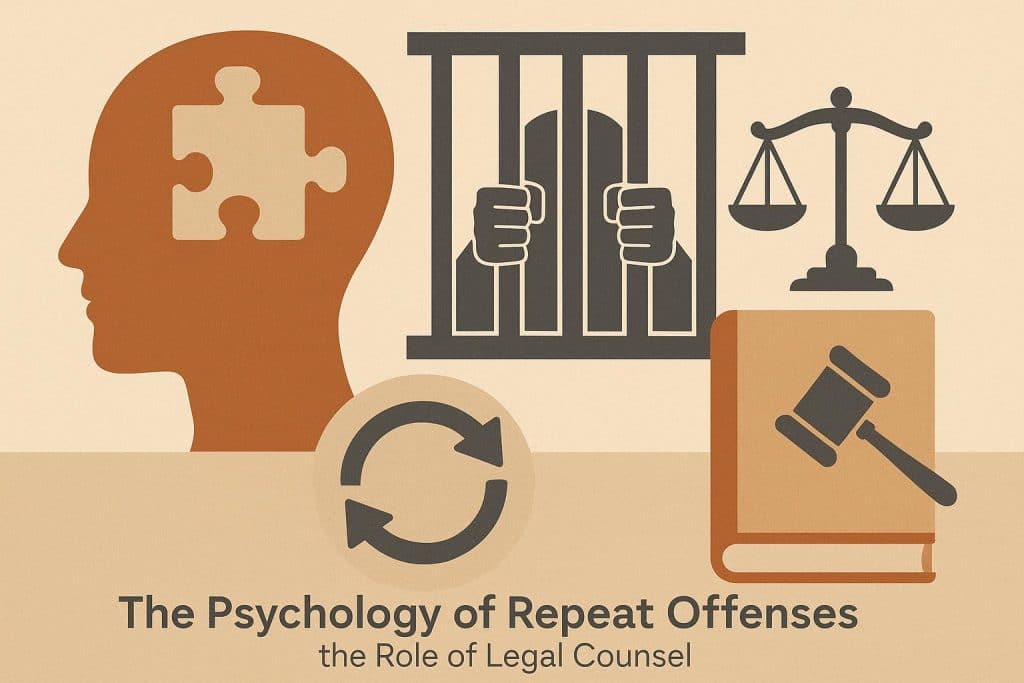
Every legal case tells a story—not only of what happened, but why. Repeat offenses, in particular, reveal the complex intersection between human behavior, impulse, and circumstance. A DUI lawyer first offense, often sees how an initial mistake can evolve into a recurring struggle when its root causes remain unaddressed. People rarely reoffend out of disregard for the law; more often, they are caught in cycles of stress, addiction, or emotional disconnection. Understanding this cycle requires empathy and structure—two things the justice system doesn’t always provide equally. For legal professionals, it becomes essential to look beyond the act and toward the individual’s psychology: their triggers, coping mechanisms, and vulnerabilities. The most meaningful defense acknowledges accountability while also recognizing the need for change. When the law intersects with insight, representation transforms from mere advocacy into guidance—an approach that not only protects rights but helps clients rebuild the mental and emotional stability required to stop patterns from repeating.
Understanding the Psychology of Repeat Offenses
Recidivism is not simply the repetition of wrongdoing—it’s the repetition of unresolved emotion. Many who reoffend experience guilt and shame that paradoxically drive them back toward the same behaviors they regret. Neuroscience shows that impulsivity and addiction can rewire reward systems, blurring judgment under stress. The result is a loop of temporary relief followed by deeper consequences. Social stigma reinforces the problem: once labeled an “offender,” opportunities for work and belonging shrink, increasing isolation and frustration. Cognitive distortions—believing that change is impossible or that society has already condemned them—can harden into self-fulfilling patterns. In this psychological terrain, punishment alone rarely works; it can even strengthen feelings of resentment or hopelessness. Rehabilitation, by contrast, helps individuals recognize triggers, reframe thinking, and regain agency. Lawyers who understand this dynamic can advocate for approaches rooted in behavioral insight, ensuring that justice does not just penalize but actively encourages restoration, breaking the silent logic that keeps people returning to courtrooms they never wanted to see again.
The Legal Implications of a First Offense: Opportunity or Warning Sign
For many, a first charge is a wake-up call rather than a criminal milestone. When represented by an experienced first offense OVI advocate or a skilled DUI lawyer first offense, this early stage becomes a critical opportunity for education and prevention. The first encounter with the justice system often evokes panic, shame, and confusion—feelings that, if ignored, can either drive personal growth or deepen denial. A qualified attorney recognizes this crossroads and helps clients see beyond immediate penalties. Legal representation at this stage is not just about minimizing fines or avoiding license suspension—it’s about helping clients understand the behavioral and psychological elements that led them there. Through negotiated outcomes such as counseling, diversion programs, or alcohol education courses, attorneys can guide clients toward accountability without lifelong consequences. The first offense, when managed with insight, can serve as a protective threshold—a moment to redirect behavior and mindset before patterns harden. The right legal guidance ensures this turning point leads not to repetition, but to understanding and reform.
When Patterns Emerge: The Complexity of Repeat OVI and DUI Charges
The repetition of impaired driving offenses is rarely rooted in defiance; it often reflects dependency, stress, and lack of support. An OVI attorney dealing with repeat cases understands that these clients live in a psychological loop—where addiction and circumstance collide with judgment lapses. Chemical dependency alters neural pathways, making logic secondary to craving and compulsion. Legal systems, however, frequently respond to this medical issue with punishment rather than treatment. Attorneys who approach repeat OVI cases with psychological awareness advocate for solutions that prioritize rehabilitation—treatment programs, ignition interlocks, or court-supervised sobriety initiatives. These measures acknowledge the science of addiction while still protecting public safety. Each repeat charge signals deeper instability: emotional, financial, or social. By analyzing these underlying factors, attorneys can push for outcomes that heal rather than merely deter. When the defense strategy considers the whole person, not just the charge, it becomes a tool for change—bridging the gap between accountability and genuine behavioral recovery.
Escalating Consequences and the Need for Specialized Counsel
With each repeated charge, the legal and personal stakes intensify. A third DUI lawyer Dayton often encounters clients overwhelmed by both the legal pressure and the emotional toll of recurring mistakes. By the third offense, consequences are not limited to fines or license suspensions—they extend to mandatory jail time, long-term probation, and profound lifestyle restrictions. At this stage, representation requires more than procedural skill; it demands empathy, crisis management, and a strategy that considers the client’s long-term stability. Repeat offenders frequently face compounding challenges: strained relationships, job loss, and public stigma. A specialized attorney understands that sustainable defense must involve more than reducing penalties—it must open pathways toward treatment and recovery. By coordinating with counselors, rehabilitation centers, and court diversion programs, legal counsel can build a defense that promotes change while protecting rights. The goal becomes not just damage control but reconstruction—helping clients rebuild credibility and self-discipline while navigating the most complex intersection of law and human vulnerability.
The Attorney’s Role in Breaking Cycles of Recidivism
Attorneys play a quiet yet powerful role in disrupting the psychology of repetition. Beyond the courtroom, their influence extends into how clients think, plan, and cope. A lawyer familiar with patterns of recidivism—such as an OVI attorney or third DUI lawyer Dayton—understands that meaningful advocacy involves reshaping mindsets, not just defending cases. By helping clients reflect on their behaviors, set realistic boundaries, and pursue professional counseling, legal counsel becomes part of the recovery process. Trust forms the foundation of this dynamic. When clients believe they’re understood rather than judged, they’re more likely to engage in rehabilitation programs and follow through with court requirements. Attorneys can connect them with resources—support groups, therapy, or community programs—that replace cycles of avoidance with accountability. Legal advocacy, when informed by empathy and psychology, becomes transformative. It moves the justice process from reaction to prevention, proving that guidance and understanding are as critical to reform as the law itself.
From Reaction to Reform
Breaking the cycle of repeat offenses requires more than punishment—it requires understanding. Behavioral change doesn’t begin in a courtroom; it begins with awareness, compassion, and guidance that extends beyond the verdict. Each repeat offender represents an opportunity to rethink how the justice system balances consequence with rehabilitation. Lawyers who approach their work with insight into human behavior help bridge this divide, transforming the process from punitive to restorative. A DUI lawyer first offense who educates a client early, or a third DUI lawyer in Dayton who advocates for treatment over incarceration, both serve as catalysts for reform. The intersection of law and psychology shows that no one is defined by their worst decision, but by their capacity to learn from it. Legal counsel grounded in empathy and strategy doesn’t just protect a person’s rights—it helps reclaim their sense of direction. True justice, at its highest form, isn’t about reaction; it’s about recovery, growth, and the belief that every client can build a different story moving forward.