

Life today feels like a constant race against a clock that never stops ticking. We’re all managing digital calendars, juggling work commitments, and trying to keep up some semblance of a social life, all while navigating an increasingly expensive world. Honestly, I’ve spent more than a few nights staring at the ceiling, wondering if I’m actually ahead of the curve or just running in place.
Often, we focus so much on the big milestones, like buying a home or landing a promotion, that we forget about the small, quiet threads that keep our daily lives from unraveling. True financial stability and personal peace of mind aren’t just about how much you earn, but how well you protect what you already have.
When we think about security, we often think of heavy locks or complex passwords. However, real security is more about the safety nets we build for the unexpected moments. These are the moments that don’t show up on your Google Calendar. It’s the sudden appliance failure, the unexpected medical bill, or the minor fender bender on a rainy Tuesday morning.
But does it have to be so exhausting?
Dealing with these situations is just a part of being an adult, I guess, but it doesn’t have to be a source of constant anxiety. One of the most overlooked aspects of this safety net is how we handle our daily transport. For many of us, our vehicle is our lifeline to the world. It gets us to the jobs we love and the people we care about.
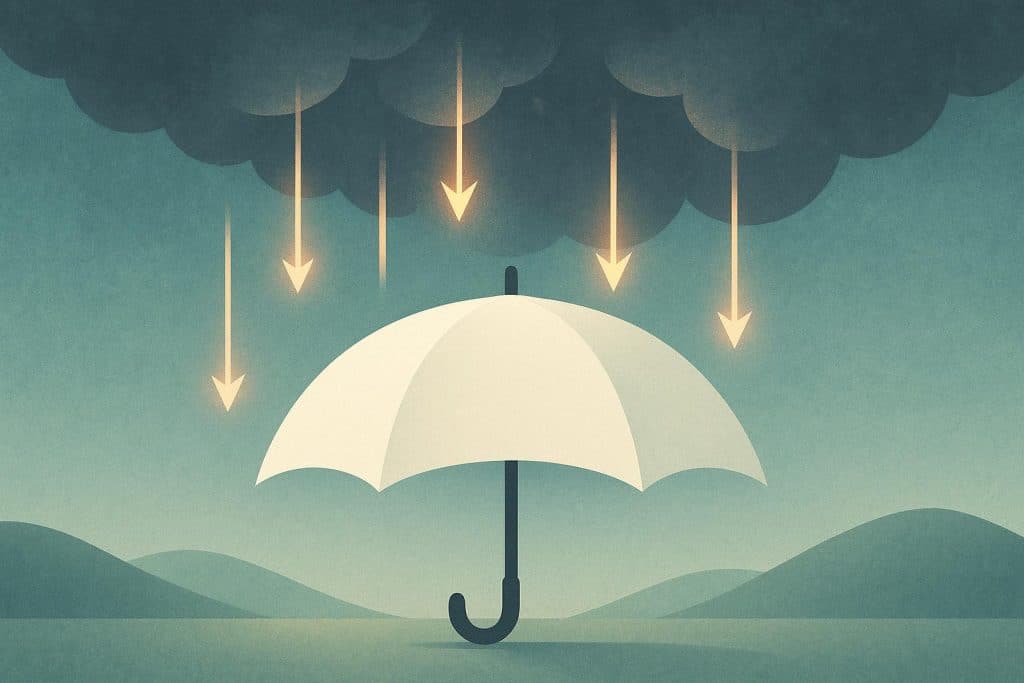
And because it’s such a routine part of life, it’s easy to become complacent about the risks involved every time we hit the road. Staying informed about your options for car insurance isn’t just a legal box to check. It’s a fundamental part of a broader strategy to shield your savings from the volatility of the road. And that’s the point. It’s about not letting one bad afternoon ruin years of hard work.
The Mental Load of “What If”
Psychologists often talk about the mental load, which is the invisible labor of managing a household and a life. A significant portion of that load is dedicated to “what if” scenarios. What if the car doesn’t start? What if I get into an accident? These thoughts hum in the back of our minds, like the faint, annoying buzz of a laptop fan at midnight, draining our energy.
When you’ve got a solid plan in place, that mental noise starts to fade. You’re no longer worried about the catastrophe because you’ve already decided how to handle it. This is the essence of emotional intelligence in personal finance. It’s recognizing that your time and your mental health are just as valuable as your bank balance.
By automating your protections and ensuring you’re covered for the unexpected, you free up cognitive space to focus on things that actually bring you joy.
So, what are you actually saving your energy for?
Building a Resilient Lifestyle
Resilience is a popular word these days, but what does it actually look like in practice? In the context of modern living, resilience is the ability to bounce back from a setback without it ruining your entire month or year. It involves a combination of a healthy emergency fund, a supportive community, and the right protective measures. You know, the stuff that lets you sleep better at night.
Many people view expenses like insurance or maintenance as “lost” money. They see the monthly outflow and feel frustrated. However, if you shift your perspective, you can see these costs as an investment in your future self. You’re essentially pre-paying for the solution to a problem you haven’t had yet. This proactive approach is what separates those who are constantly in crisis mode from those who can navigate life’s bumps with a bit more grace.
Maybe it’s just about being kind to your future self.
Consider the last time something went wrong in your life. Was it the event itself that was most stressful, or the scramble to pay for it?
Usually, it’s the latter.
When the financial path is already cleared, the emotional recovery is much faster. You can focus on getting back on your feet instead of staring at a spreadsheet in a panic. I’ve been there, and let me tell you, the spreadsheet is a cold companion during a crisis.
Finding Balance in a Consumer Culture
We live in a world that constantly tells us to want more. Bigger houses, faster cars, and the latest gadgets are marketed as the keys to happiness. But there’s a quiet counter-movement growing. People are starting to realize that “more” often leads to more maintenance and more worry.
The goal shouldn’t necessarily be to own the most expensive things, but to own things that add genuine value to your life and to protect them wisely. This applies to everything from your home to your health. When you choose quality over quantity, you naturally reduce the number of things that can go wrong. You simplify your life, which in turn simplifies your financial needs.
And that is where the real freedom lies.
This simplification is a form of self-care. It’s an acknowledgment that you deserve a life that isn’t defined by stress. Whether it’s choosing a reliable vehicle over a flashy one or spending an afternoon auditing your monthly subscriptions, these small choices add up to a much larger sense of freedom. Honestly, there’s something deeply satisfying about crossing a nagging worry off your list.
The Value of Professional Insight
In an era of DIY everything, it’s tempting to try to manage every aspect of your life alone.
However, there’s immense value in leaning on professional tools and resources. Whether you’re looking for investment advice or searching for the right coverage for your lifestyle, using reputable platforms can save you hours of guesswork.
Knowledge is the best tool against fear. The more you understand about how these systems work, the less power they have to overwhelm you. Taking the time to read the fine print and compare your options is a sign of a mature, grounded approach to living.
But why wait until the bill is due to learn?
It shows that you’re in the driver’s seat of your own life, rather than just being a passenger to your circumstances. Ultimately, protecting your peace of mind is a continuous process. It’s not something you do once and forget about. It requires regular check-ins with yourself and your situation.
As your life changes, your protections should change too. A promotion, a new family member, or a move to a new city are all reasons to re-evaluate your safety nets. It’s okay to admit you don’t have all the answers yet.
Final Thoughts on a Grounded Life
Living well in the modern world doesn’t require a perfect life. It requires a prepared life. When you take the steps to secure your physical and financial world, you create a foundation upon which you can build something truly beautiful. You permit yourself to take risks in other areas, like starting a new hobby or changing careers, because you know your baseline is covered.
Don’t wait for a crisis to realize the value of protection. Start today by looking at the areas of your life where you feel the most vulnerable. Address them one by one with a calm and confident mindset. You’ll be surprised at how much lighter you feel when you know that, no matter what happens, you’ve got a plan to move forward.