

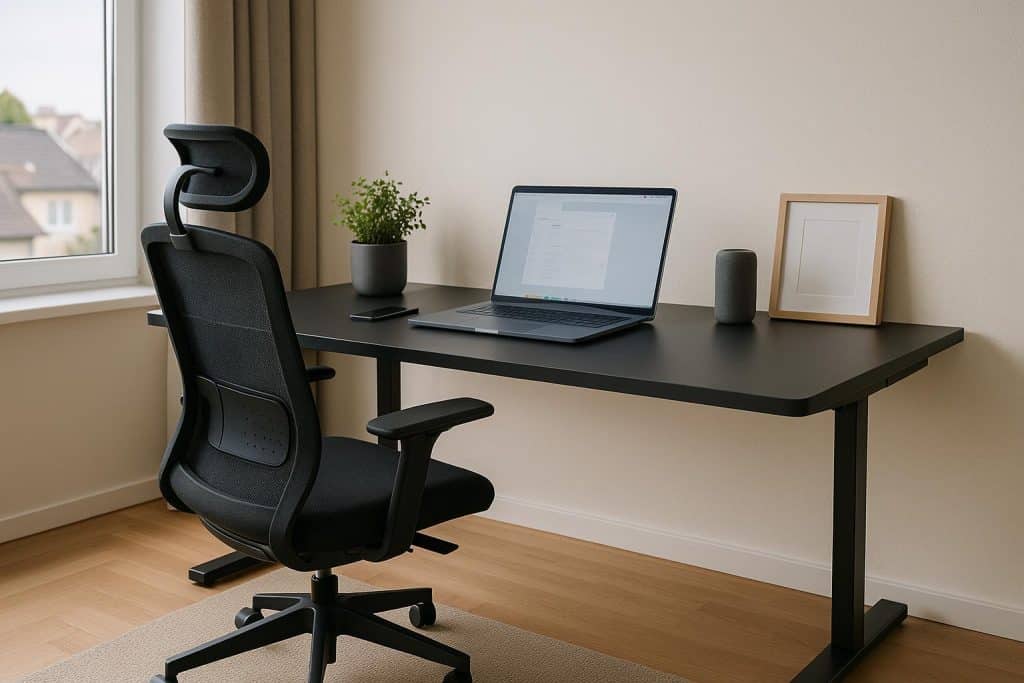
The shift to remote and hybrid work models has been one of the most significant workplace transformations in recent history for businesses across the UK and Australia. What began as a temporary response to global disruption has evolved into a permanent fixture of modern professional life. As employees increasingly work from home offices, spare bedrooms, and converted dining rooms, the quality of workspace furniture has become far more than an aesthetic consideration.
It is now a critical factor influencing productivity, physical health, and long-term career sustainability. For procurement managers looking to buy office chairs for distributed teams or freelancers upgrading their setups, understanding why quality furniture matters has never been more relevant.
How Remote Work Has Redefined the Modern Workspace
The workplace landscape has undergone a dramatic evolution. Hybrid work arrangements are now the norm rather than the exception, with employees splitting time between traditional offices and home workspaces. This shift has fundamentally changed what constitutes an effective work environment.
Unlike the temporary setups many created in 2020, makeshift stations fashioned from kitchen tables, today’s home offices require professional-grade solutions. Remote work is no longer a short-term arrangement but a sustained reality that demands thoughtful workspace design. The home office has become a permanent fixture, and with it comes the need for furniture that can withstand daily use while supporting proper ergonomics.
The needs of remote workers differ significantly from pre-pandemic office environments. At home, there’s no facilities manager to ensure chairs are adjusted correctly or health and safety officer to assess workstation risks. The responsibility for creating a functional, healthy work environment now rests squarely with individual workers and the employers who support them.
Why Quality Office Furniture Matters More Than Ever
Ergonomics and Health The physical toll of inadequate office furniture becomes painfully apparent when experienced day after day. Poor posture, neck strain, lower back pain, and repetitive strain injuries aren’t just uncomfortable, they’re productivity killers that can lead to chronic health issues.
Quality ergonomic furniture addresses these concerns at their source. While the chair provides support, the office desk dictates the geometry of the entire workspace. A desk at the wrong height forces the wrists into unnatural angles and causes shoulders to hunch. Properly designed furniture works as a system: the desk height supports the arms, while the chair supports the spine, reducing pressure on the lower back and promoting healthy posture throughout the workday.
Productivity and Focus The connection between workspace quality and work output is well established. When furniture supports the body properly, mental energy can focus on tasks rather than shifting positions to find comfort. A well-organised workspace with appropriate storage, adequate surface area, and proper lighting creates an environment conducive to concentration.
Comfort and Long-Term Wellbeing What was once viewed as a temporary work arrangement has become a long-term reality for millions. This permanence demands furniture solutions that can support sustained use over years. Cheap, flimsy furniture quickly reveals its limitations when subjected to full-time work demands. Investing in quality means choosing furniture built to last, paying dividends in sustained comfort and avoided replacement costs.
Key Office Furniture Pieces Remote Workers Should Invest In
Building an effective home office doesn’t require outfitting an entire corporate suite, but certain pieces prove essential for most remote workers.
- Ergonomic Office Chair: The single most important investment. Look for adjustable seat height, lumbar support, armrests, and breathable materials. Given that many remote workers spend 40-plus hours weekly in their chair, this isn’t the place to cut corners.
- Sit-Stand Desk: These desks offer the flexibility to change positions throughout the day, combating the health risks associated with prolonged sitting and promoting better circulation.
- Monitor Arm or Riser: Positioning screens at proper eye level prevents neck strain. A monitor arm offers maximum flexibility, allowing precise adjustment of screen height and angle.
- Storage Solutions: Filing cabinets and desk organisers prevent the visual stress that comes from cluttered surfaces, making it easier to maintain a professional mindset.
- Task Lighting: Proper lighting reduces eye strain, particularly during evening hours or in spaces with limited natural light.
- Keyboard Tray: For those spending significant time typing, a keyboard tray can position input devices at the optimal height to reduce wrist strain.
- Footrest: Often overlooked, a footrest ensures feet rest flat rather than dangling, which is vital for shorter individuals or those with fixed-height desks.
The Convenience of Buying Office Furniture Online
The digital marketplace has transformed how professionals furnish their home offices, offering advantages that traditional retail struggles to match. Whether you are in Sydney or Melbourne, the ability to source office furniture online provides access to comprehensive product specifications, detailed dimensions, and customer reviews, information that helps buyers make informed decisions without sales pressure.
The ability to compare multiple options simultaneously makes it easier to evaluate features, materials, and prices across different products. This is particularly valuable when assessing ergonomic features, where small differences in adjustability can significantly impact daily comfort.
Professional-grade equipment that once required visiting specialised commercial suppliers is now accessible to individual remote workers. This convenience means workers can equip home offices with the same quality furniture found in corporate environments, delivered directly to their door. It also accommodates the research process that quality furniture decisions deserve, allowing buyers to check measurements against their space and ensure products meet specific aesthetic requirements.
Tips for Choosing the Right Office Furniture
Making informed furniture choices requires considering several factors beyond immediate price and appearance.
- Consider task requirements: A graphic designer needs different desk space than a customer service representative.
- Prioritise adjustability: Bodies vary, and work needs change. Furniture with multiple adjustment points can be fine-tuned to individual needs.
- Evaluate materials: Read product descriptions carefully. Quality furniture uses robust materials and solid construction techniques that ensure longevity.
- Match aesthetics: Home offices exist within residential spaces. Choose pieces that complement your home’s style while meeting functional requirements.
- Measure carefully: Nothing disrupts a project like discovering a desk won’t fit through the door. Measure your workspace and account for clearance needs.
Conclusion
Remote work has permanently altered expectations around home offices. What once seemed like a temporary accommodation has become a defining feature of modern professional life, and the furniture that supports this work carries greater importance than ever before.
As the boundaries between home and office continue to blur, the spaces where we work deserve the same thoughtful consideration once reserved for corporate environments. Whether you’re a remote worker crafting your ideal workspace or an employer supporting distributed teams, the message remains clear: quality furniture matters. The future of work is flexible, distributed, and increasingly home-based, and the furniture that supports it should be built to help us do our best work.