

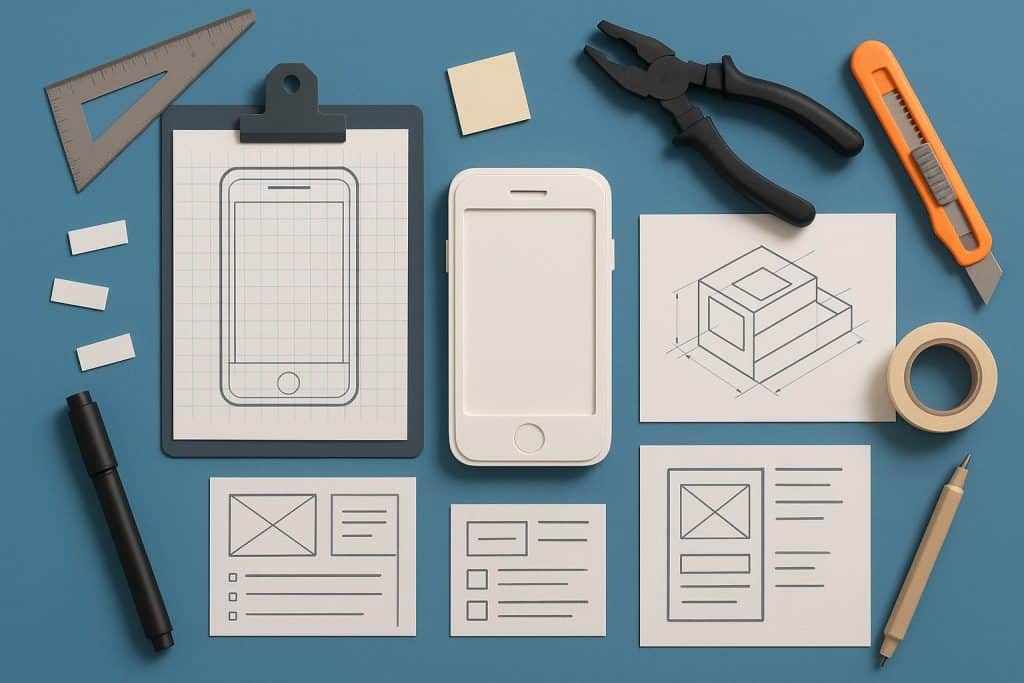
A product idea can only progress with a well-defined structure. Prototyping offers that structure by giving ideas a working shape. It allows teams to explore, test, and evolve each core element. Every step of this approach ensures clarity before final development begins.
Product Design depends on prototyping to transform thoughts into actionable forms. It serves as a model to explore how features may function. Each model helps visualize the next move without full production. This early visibility supports clear decisions and better team planning.
Prototypes Build Team Alignment Early
Teams from different disciplines sometimes bring unique ideas to the table. A physical or digital model supports unified direction during key phases. Everyone observes the same version, reducing space for confusion. That clarity boosts planning and cooperation across all functions involved.
Without a shared reference, interpretations can lead to unclear steps. Prototypes remove this by presenting a clear path forward. Each feature or function gains focused attention and feedback. Alignment improves naturally when teams work from the same base.
Prototypes Support Concept Testing
Concept models help clarify how users might engage with a product. Early interaction with a model shows what works and what doesn't. Developers can then fine-tune based on actual behavior patterns. Feedback becomes practical, not just hypothetical guesses or projections.
Product response is clearer when people engage with something real. Users provide input that reflects how they think and react. This supports informed changes that support strong development flow. Early testing builds trust in the product vision before the final stages.
Prototypes Reduce Risks Across Stages
Testing early avoids delays in critical development steps. When something seems unclear, it can be resolved before it expands. Risk stays low because there is constant visibility throughout. That awareness supports steady and well-managed progress across teams.
Problems remain smaller when identified during early concept reviews. Teams avoid making large changes once production begins. Revisions are easier to apply during trial phases. Fewer corrections later means better focus and clearer output now.
Prototypes Guide Design Direction
Prototypes create a base for decision-makers to evaluate progress. Tangible outputs show how ideas translate into practical features. This real-time insight helps teams stay focused on original goals. It also prevents drifting away from core project requirements.
A strong model supports consistency in both design and structure. One view allows multiple people to give input as needed. It speeds up choices about what features should stay. The process remains connected to the purpose from start to finish.
Prototypes Encourage Clear Visual Planning
Visual tools play a key role in structuring early development. A working model breaks down each feature into visible blocks. Stakeholders engage more deeply when they see results from. Visuals help track steps and evaluate decisions during each phase.
Here’s how prototyping supports clarity:
- Helps explore layouts before final steps begin
- Shows function connections across multiple product areas
- Builds understanding across different team roles
- Promotes faster decision-making with clear visuals
Why Expert Teams Improve Product Outcomes
Every product starts with an idea, but turning that into something functional demands focused expertise. A specialized team knows how to connect early design with manufacturing strategy. They guide critical decisions across development without slowing momentum. That support allows ideas to become production-ready with fewer delays.
Backed by structured processes, these teams bring control to each stage. They align Product Design, engineering, and sourcing to avoid disconnects. With clear execution and deep product insight, they help teams avoid scattered direction. For those ready to move forward, working with experts adds real structure to development.