

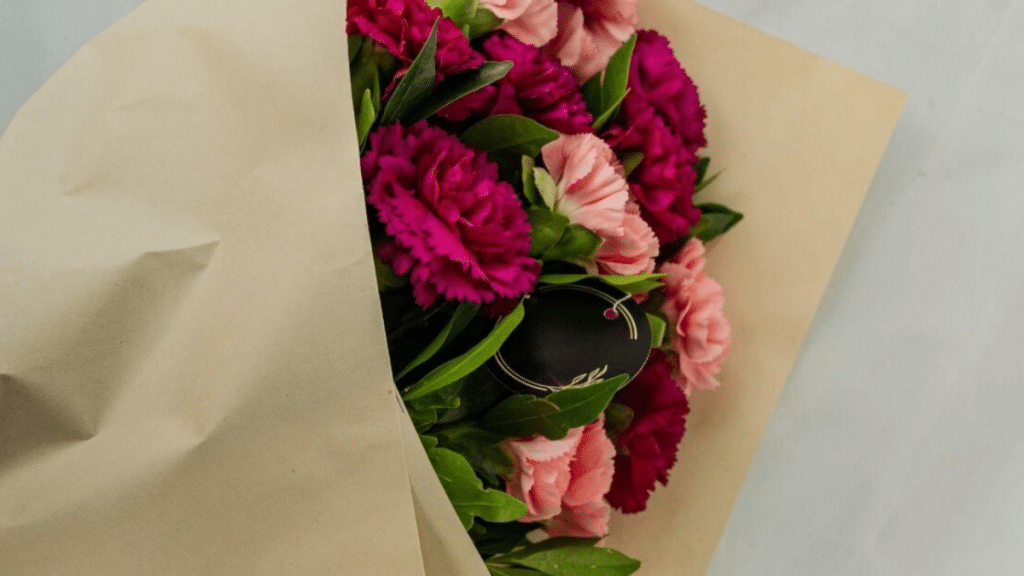
Flowers have always had a voice of their own. They were messengers of feelings, hints, and even forbidden thoughts for centuries. In times when direct confessions were deemed inappropriate, a single bloom could convey more than a letter. While once limited to secret gestures and etiquette, today flowers have become part of public communication, from Instagram aesthetics to viral Reels.
But is it all just for show? Not quite. Modern floral trends go beyond visuals. Behind every stylish arrangement still lies meaning. Even a familiar and “predictable” bouquet of roses can tell a deeper story — if you know how to read it: its color, tone, or accompanying message. So, how did we go from hidden notes in petals to flower subscriptions and TikTok trends? Let’s trace the evolution of floral language.
The Victorian Era: Flowers as Emotional Cipher
In the 19th century, floriography — the language of flowers — took root in Britain and Europe. It peaked during the Victorian era, a time when directly expressing feelings of affection or displeasure was considered improper. Bouquets became coded messages, carefully curated to convey thoughts the sender couldn’t say aloud.
Each flower held a meaning:
- Red rose — passion
- White lily — purity
- Cornflower — shy admiration
- Lavender — loyalty
- Yellow rose — jealousy or friendship (depending on the culture)
Even the position of the flowers, the direction they faced, and the hand in which the bouquet was given could change its message. Women kept floral dictionaries and analyzed every arrangement they received. It was a romantic ritual — an art of subtlety and suggestion.
The 20th Century: Simplicity and Commercialization
With the rise of mass consumer culture, the secret language of flowers faded into the background. Floral gifts became standardized and occasion-based:
- Red roses for Valentine’s Day
- Tulips and mimosas for International Women’s Day
- Lilies and peonies for weddings
- Carnations for farewells and commemorations
Giving someone a bouquet of roses became more of a ritual than a message. People focused on presentation, size, and packaging more than symbolism. Still, traditional meanings lingered in greeting cards, literature, and cinema.
The 2000s: Personalization and Self-Expression
With the dawn of the 21st century came a renewed interest in individuality, and flowers followed suit. Florists began offering bouquets based on mood, personality, or color palette. Flowers became tools of self-expression.
New trends emerged:
- Mono-bouquets — minimal, elegant, and confident
- Wildflower-style arrangements — nature-inspired, authentic, carefree
- “No reason” bouquets — a gesture of mindfulness or self-kindness
- Packaging-free flowers — sustainability and simplicity at the core
The language of flowers was no longer a secret code but an open, visual message. Meaning now came through style, composition, and intention.
Instagram and Reels: Flowers as Visual Culture
With the rise of social media, flowers went digital. They became not only gifts but content. Videos of bouquet unboxings, flower-and-coffee flat lays, and “how to style your bouquet” tutorials turned floral gifting into a lifestyle statement.
And yet, the aesthetic often carried depth:
- Flowers in videos = a continuation of the emotion
- Floral content = a personal brand: “This is my palette. I choose eco-conscious beauty.”
- Captions increasingly reflect mood and meaning — a modern version of floriography.
The symbolic language of flowers found new life in formats like Reels, with creators reviving “flowers & feelings” themes that blend old meanings with modern relevance.
Flowers in Digital Etiquette
Bouquets have become part of a new, digital etiquette. People now:
- Send flowers remotely — as a gesture of care, gratitude, or celebration
- Share flower photos — to say “I’m thinking of you,” “I’m starting fresh,” or “This is my vibe.”
- Buy flowers for themselves — and proudly post about it — as a form of self-acknowledgment
Flowers have once again become a language. It’s not coded or hidden this time — it’s visual, transparent, and emotionally rich.
Symbolism in the Modern Age: Lost or Reborn?
Most people today don’t remember what a daisy or bluebell is “supposed” to mean. But florists and creatives are reviving those ideas:
- Bouquets “for strength,” “for warmth,” “for clarity,” or “for anxiety relief”
- Descriptive product names in gift services and subscription boxes
- Personalized flower pairings matched to personality traits or intentions.
The symbolism may have shifted form, but it hasn’t disappeared — it’s evolved.
Now, meaning comes through:
- Visual style — whether minimalist, bold, rustic, or romantic
- Associations — with season, color, and composition
- Accompanying notes — where the written message completes the gesture
Conclusion: The Language Lives On — with New Grammar
From Victorian codes to TikTok reels, flowers have never stopped speaking. They’ve changed their tone, rhythm, and grammar. Today, they are no longer about secrecy, but about sincerity. Not limited to lovers, but extended to friends, colleagues, and ourselves.
A bouquet of roses today is classic, but it can also be a digital signature, a daily ritual, or a quiet revolution in how we express our feelings.
And the new flower language? It’s the language of honesty, care, aesthetic expression, and emotional intelligence. You don’t need to learn it from a book — you need to feel it.