

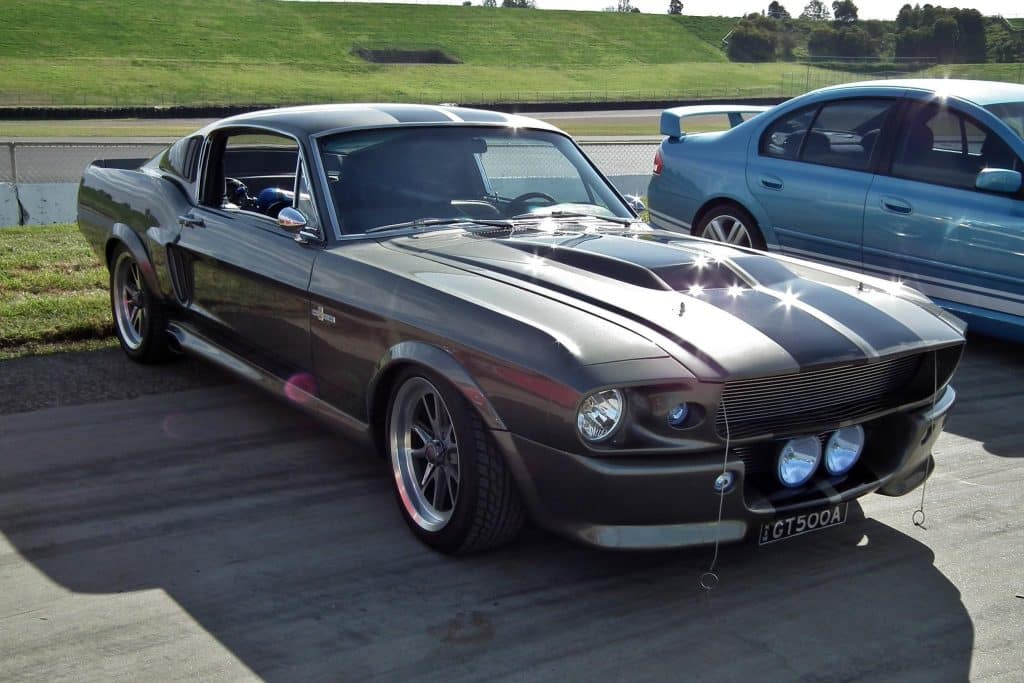
Some cars fade into history as trends shift and technology advances. Others remain firmly embedded in the collective imagination, continuing to influence how vehicles are designed and experienced. The 1968 Mustang fastback belongs to the latter category—a machine that has managed to stay relevant not because of nostalgia alone, but because of its fundamental design and engineering strengths.
Even as the automotive world leans into electrification and digital interfaces, the principles behind classic muscle cars continue to shape modern thinking. The fastback Mustang stands as a reminder that great design and performance are not tied to a specific era—they evolve, but they never lose their core identity.
What Makes the Mustang an Enduring Icon
The Mustang’s longevity is not accidental. From the beginning, it was designed to appeal to drivers who wanted more than basic transportation. It offered a blend of performance, style, and accessibility that set it apart from its competitors.
Over time, this formula has been refined but never abandoned. A closer look at what defines the Mustang’s enduring appeal reveals how each generation builds on the same foundation, maintaining a balance between heritage and innovation.
This consistency has allowed the Mustang to remain relevant across decades, attracting both long-time enthusiasts and new audiences.
The Design Philosophy Behind the Fastback
Form That Enhances Function
The fastback design is a prime example of how aesthetics and engineering can work together seamlessly. Its sloping roofline improves airflow while giving the car a dynamic, forward-leaning stance. This combination creates a sense of motion even when the vehicle is stationary.
Unlike many modern designs that prioritize efficiency at the expense of character, the fastback achieves both. It’s visually striking without feeling excessive, a quality that continues to resonate with designers today.
Influence on Modern Automotive Styling
Many contemporary performance cars borrow elements from classic fastback designs. The emphasis on proportion, stance, and visual balance can be traced directly back to models like the 1968 Mustang. These influences are subtle but significant, shaping how modern vehicles communicate performance through design.
Exploring insights on stress-free car ownership through rent-to-buy options further illustrates how these classic principles continue to inform current trends.
Reimagining the 1968 Mustang Fastback
As interest in classic cars grows, so does the demand for vehicles that combine vintage aesthetics with modern functionality. This has led to the rise of reengineered builds that retain the original design while incorporating updated components.
For enthusiasts seeking a refined version of the original experience, a 1968 Ford Mustang fastback build offers a compelling solution. These builds preserve the visual identity and driving character while introducing improvements that enhance reliability, safety, and overall performance.
This approach allows drivers to engage with a classic design in a way that feels relevant and practical, rather than purely nostalgic.
The Balance Between Heritage and Innovation
Preserving What Matters
One of the key challenges in modern automotive design is determining what to preserve and what to evolve. With classic-inspired builds, this balance becomes particularly important. Retaining the original character while integrating new technology requires careful planning and execution.
Successful projects focus on enhancing the driving experience without altering the essence of the car. This means maintaining core design elements while upgrading components that improve usability.
Enhancing the Driving Experience
Modern engineering offers opportunities to refine performance in ways that were not possible in the 1960s. Improved suspension systems, more reliable engines, and advanced braking technologies can significantly enhance how a car behaves on the road.
When applied thoughtfully, these upgrades complement the original design rather than overshadow it. The result is a vehicle that feels both familiar and new, bridging the gap between past and present.
Why Enthusiasts Continue to Choose Classic-Inspired Builds
The appeal of classic-inspired vehicles goes beyond aesthetics. They offer a driving experience that feels intentional and engaging, something that many modern cars struggle to replicate. This connection between driver and machine is a defining characteristic of muscle cars.
At the same time, updated builds address the practical concerns associated with older vehicles. Improved reliability and performance make them more suitable for regular use, expanding their appeal to a broader audience.
This combination of emotion and practicality is a major reason why these vehicles continue to gain popularity.
The Future of Classic Design in a Changing Industry
As the automotive industry continues to evolve, the influence of classic designs is unlikely to fade. Instead, it will adapt to new technologies and expectations. Electric powertrains, advanced materials, and digital systems may change how cars function, but they do not eliminate the need for thoughtful design.
The 1968 Mustang fastback serves as a blueprint for this evolution. Its emphasis on proportion, performance, and driver engagement provides a foundation that can be reinterpreted in countless ways.
For designers and engineers, this legacy offers valuable lessons about what makes a car truly memorable.
Conclusion
The enduring appeal of the 1968 Mustang fastback lies in its ability to balance simplicity with sophistication. It represents a moment in automotive history where design and performance aligned in a way that continues to resonate today.
As modern vehicles become more complex, the principles embodied by this classic model remain as relevant as ever. Whether through original examples or thoughtfully reimagined builds, the spirit of the fastback continues to shape the future of automotive design, proving that true innovation often begins with a deep respect for the past.