

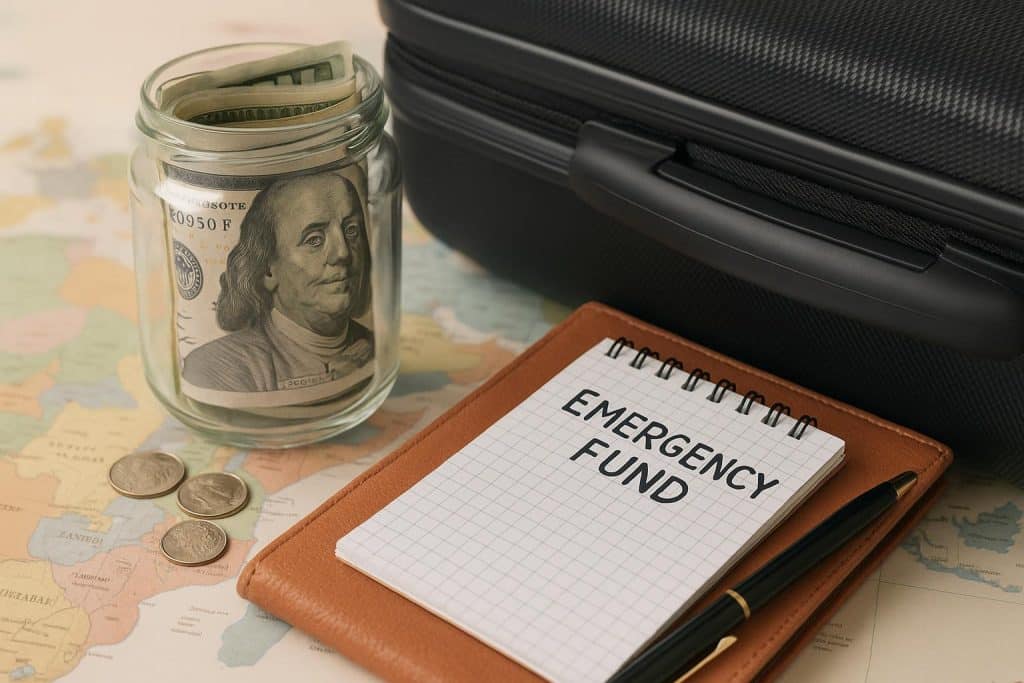
An emergency fund doesn’t seem like a priority until you actually need it. Imagine yourself sick in a foreign country, and your insurance doesn’t cover a particular treatment. A secret emergency cash stash would come in incredibly handy (and even life-saving).
So, it’s highly advisable to collect this fund before regrets force you to do so. Let’s see the benefits of such preparation and ways to save without hurting your travel experience.
When and how to save for an emergency fund
As with most saving attempts, it is best to do this in advance. If you have a trip in the next six months, start setting aside some money for emergency situations.
You could take a percentage of your salary, or explore ways to earn passive income. Such options are likely among the easiest ways to generate savings for travel or in general. Services like Honeygain pay you for sharing unused internet bandwidth, which means you get paid for your connectivity. Another effortless option is to use cashback sites like Rakuten, which return a portion of the money you spend on groceries or other products.
Travel with a preset emergency fund
Expect the trip to go well, but prepare for every scenario. For example, getting stranded in an unknown part of town might mean you only find taxi drivers who take cash. So, a travel emergency fund is not for additional souvenirs or another tour around the city. Even if you do not spend it at one destination, save it for your future trips.
Of course, people can describe an emergency differently, but for most, any health or security-related situation constitutes the use of the emergency fund. Keep this money separate from your other cash (in another wallet, etc.). Such an approach also protects you if you are pickpocketed or lose your bag.
Other security measures to take
Besides stashing away some of your money for emergencies, it’s also crucial to ensure they happen as infrequently as possible (or not at all). Here are some of the most guaranteed methods to ensure you have a safe and enjoyable trip:
- Determine your emergency fund based on your destination. In some countries, you might do very little with $100, while in others you might do a lot.
- Get travel insurance for your destination and be sure what it covers. For example, ensure it covers the most common medical emergencies.
- Do your research about the area and destination in general. It is crucial to learn about the typical tourist scams to save your money and time. Besides that, travel blogs or vlogs could inform you of the best places to visit and which to avoid. It could also save you from food poisoning and the need to visit the local hospital for treatment.
- Have multiple payment options. For example, if a place doesn’t accept your specific card, have a spare credit card. If you lose your wallet, have your payment method enabled on your smartphone or smartwatch.
- Research the hospitals or embassies near your destination to know where to travel in case of emergencies.
- Check your rights as a traveler. For example, if a flight company loses your luggage, see what compensation you are entitled to receive.
How much do you need for your travel emergency fund?
The exact sum of your emergency fund might depend on your destination, as mentioned. However, you might still struggle to comprehend or measure it. Here are some of the emergency purchases you might have to take, and to their prices you can adjust your fund:
- A flight or train ticket back home.
- A hotel room in the area for a few nights.
- Money for groceries or eating out.
- See how much hospital visits and medication costs for the most common illnesses (for example, the flu).
Conclusion
For many people, the beauty of traveling is expecting the unexpected. However, this doesn’t apply to medical emergencies or lost wallets. You want to experience the local or foreign beauty, not spend hours in the hospital’s waiting room. Yet, none of us know the future, and unfortunate accidents happen. All you can do is ensure you have a generous emergency fund to cover anything that comes your way. Additionally, the peace of mind that comes from having a fund in place can mean a more relaxed trip, without worrying about something going wrong.