

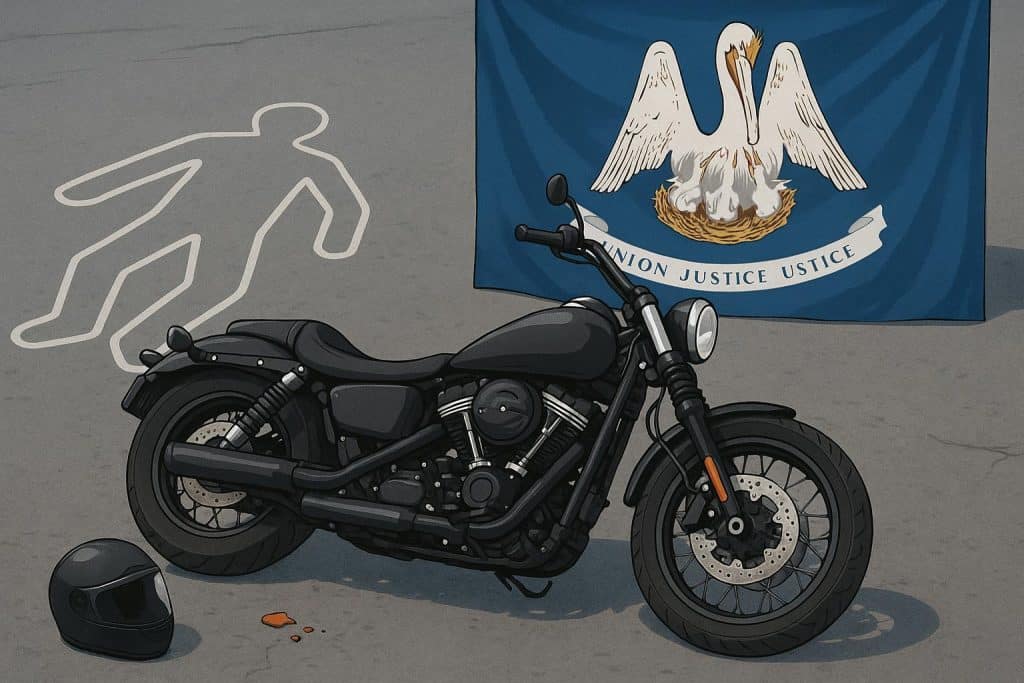
Motorcycle travel offers freedom and efficiency, but it also carries serious risk. Without the protection of a steel frame, riders are exposed to direct impact during a crash. Even a low-speed collision can lead to broken bones, spinal injuries, or head trauma. Understanding how motorcycle accident law works can help injured riders make informed decisions during a stressful time.
After a crash, many riders are unsure where to turn for clear guidance. Medical bills may arrive quickly, insurance adjusters may call, and work may be impossible for weeks or months. In these situations, speaking with a Lafayette Motorcycle Accident Lawyer can help riders better understand their rights and the legal steps available under Louisiana law, without adding pressure during recovery.
Why Motorcycle Accidents Are Different
Motorcycle crashes are not treated the same as typical vehicle collisions. The injuries are often more severe, and liability is frequently disputed. Riders may be unfairly blamed due to common assumptions about speed or behavior, even when another driver caused the collision.
Common Causes of Motorcycle Crashes
Many motorcycle accidents occur because other drivers fail to see riders or misjudge their distance. Common causes include:
- Left-turn collisions at intersections
- Sudden lane changes by cars or trucks
- Distracted or impaired driving
- Road hazards such as debris or uneven pavement
Weather and road conditions can also increase risk, especially in areas with frequent rain or construction. Understanding the cause of a crash is essential when determining responsibility.
Legal Challenges Riders Often Face
Motorcyclists often encounter unique legal hurdles after an accident. Insurance companies may argue that the rider assumed extra risk by choosing to ride. In some cases, they may minimize injuries or dispute medical treatment.
Comparative Fault in Louisiana
Louisiana follows a comparative fault system. This means compensation can be reduced if a rider is found partially responsible for the crash. For example, if a rider is considered 20 percent at fault, any recovery may be reduced by that amount. Knowing how fault is assessed can make a meaningful difference in the outcome of a claim.
Insurance Coverage Issues
Motorcycle insurance policies can vary widely. Some riders carry limited coverage, while the at-fault driver may have insufficient insurance. Uninsured or underinsured motorist coverage may become critical in these situations. Reviewing policy details and understanding available options is an important step after a crash.
Why Legal Guidance Matters After a Crash
Legal guidance is not about rushing into a lawsuit. It is about protecting the rider’s interests while allowing time to heal. An experienced legal professional can help gather evidence, communicate with insurers, and explain what compensation may be available for medical costs, lost income, and long-term care.
Evidence and Timing
Motorcycle accident claims rely heavily on timely evidence. Skid marks fade, vehicles are repaired, and witness memories change. Acting early helps preserve critical details such as police reports, traffic camera footage, and medical records.
Avoiding Costly Mistakes
Statements made to insurance companies can be misunderstood or taken out of context. Accepting an early settlement may seem helpful, but it can limit future recovery if injuries worsen. Having clear legal advice can help riders avoid decisions that may affect them years later.
The Value of Local Knowledge
Louisiana motorcycle laws, court procedures, and insurance practices are specific to the state. Local knowledge matters when navigating these systems. Familiarity with regional roads, accident patterns, and local courts can provide valuable context when evaluating a claim.
This does not mean making promises or guarantees. Instead, it means understanding how laws are applied in real situations and what injured riders can reasonably expect as their case moves forward.
Moving Forward After a Motorcycle Accident
Recovery after a motorcycle accident is rarely simple. Physical healing, financial stress, and emotional strain often overlap. Learning about legal rights is one way riders can regain a sense of control during an uncertain period.
By understanding common risks, legal challenges, and available options, injured motorcyclists can make decisions that support their long-term well-being. Calm, informed guidance can help ensure that the focus remains on recovery while legal matters are handled with care and clarity.