

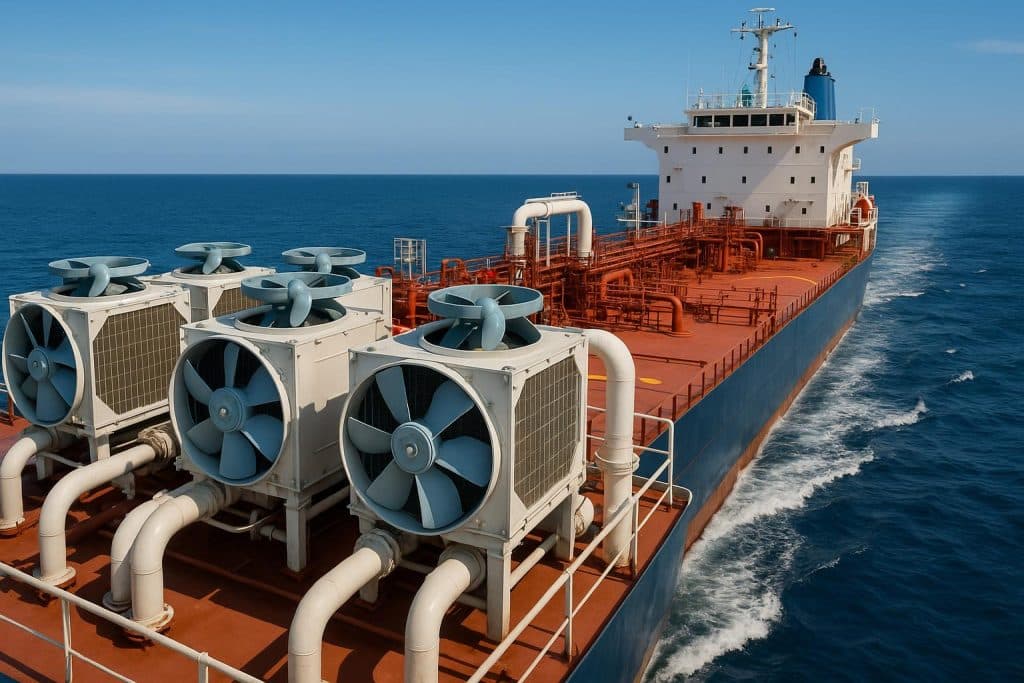
Marine vessels rely on a wide range of mechanical and electrical systems to operate safely and effectively. From propulsion engines to onboard generators, these components generate substantial amounts of heat during operation. Without effective temperature management, the performance, longevity, and safety of a vessel can be compromised. For this reason, cooling systems are an essential part of marine engineering, ensuring that vessels remain operational in demanding conditions.
Maintaining stable temperatures is also crucial for fuel efficiency and reducing wear on vital machinery. As vessels travel through varied climates and undertake long journeys, their cooling systems must consistently regulate heat, regardless of external factors such as sea temperature or ambient weather conditions.
Core Functions of Marine Cooling Systems
Regulating Engine Temperature
The propulsion engine is the heart of a vessel. As it operates, internal combustion produces heat that must be dispersed to avoid overheating. Marine cooling systems keep engine temperatures within safe operating limits, enabling engines to deliver optimal power output and maintain steady performance.
Supporting Auxiliary Equipment
Beyond the main engine, vessels have auxiliary systems such as generators, hydraulics, refrigeration units, and air conditioning. These systems also require effective cooling to prevent damage and maintain consistent operation. A failure in cooling can lead to wider mechanical issues, resulting in costly downtime.
Enhancing Longevity and Reliability
Consistent temperature regulation reduces friction, prevents oil degradation, and helps maintain the structural integrity of mechanical components. Well-maintained cooling systems contribute to longer equipment life and fewer breakdowns at sea, where repairs are far more challenging than on land.
Types of Cooling Systems Used in Marine Applications
Raw Water Cooling
In basic raw water cooling systems, seawater is drawn directly into the vessel to absorb heat from the engine before being discharged overboard. While simple and efficient, these systems can be affected by salt, debris, and marine growth, leading to corrosion and blockages if not properly maintained.
Fresh Water Cooling
Fresh water cooling systems circulate treated water or coolant internally through the engine. Heat is transferred from the engine to this coolant, which then passes through a heat exchanger cooled by seawater. This design reduces corrosion and improves reliability by limiting direct seawater contact with vital components.
Keel Cooling
Keel coolers consist of external pipes fitted along the hull below the waterline. Coolant circulates through these pipes, transferring heat directly to the surrounding seawater. Keel cooling systems are ideal for vessels operating in shallow or debris-ridden waters, as they minimise the need for water intake and associated filtration.
Challenges Faced by Marine Cooling Systems
Corrosion and Fouling
Saltwater environments accelerate corrosion, especially in metal components. Marine organisms such as barnacles and algae can also accumulate within pipes or heat exchangers, reducing heat transfer efficiency. Regular cleaning and the use of corrosion-resistant materials are essential to minimise these issues.
Temperature Variations
Sea temperature varies by region and depth, influencing cooling efficiency. Warmer waters reduce a system’s ability to dissipate heat, meaning vessels in tropical environments must be equipped with robust cooling solutions.
Mechanical Wear
Continuous operation places stress on pumps, valves, hoses, and seals. Routine inspection is necessary to detect early signs of wear, preventing failures that could lead to overheating or reduced engine performance.
Modern Innovations in Marine Cooling
Improved Heat Exchanger Design
Advances in heat exchanger materials and construction have enhanced efficiency and reduced maintenance demands. Titanium and composite materials, for example, resist corrosion while providing strong thermal conductivity.
Monitoring and Automation
Smart sensors now allow crews to track temperatures, flow rates, and coolant conditions in real time. Automated adjustments can optimise cooling performance, reduce fuel consumption, and alert operators to developing issues before they escalate.
Environmental Considerations
Modern systems aim to reduce environmental impact by using non-toxic coolants, minimising water discharge, and improving energy efficiency. This shift supports international regulations aimed at protecting marine ecosystems.
The Role of Marine Vessel Cooling in Operational Safety
Marine operations depend heavily on the reliability of cooling systems. An overheated engine can lead to power loss, while failure in cooling auxiliary systems may impair essential onboard functions. Effective cooling supports operational safety by ensuring that critical machinery remains functional under heavy loads and challenging conditions.
For vessels operating long distances or in remote waters, the ability to maintain stable temperatures is especially crucial. Even minor faults can become major hazards without access to immediate repair facilities.
In modern maritime engineering, marine vessel cooling plays a central role in sustaining performance, protecting equipment, and maintaining safe conditions for crew and cargo.