

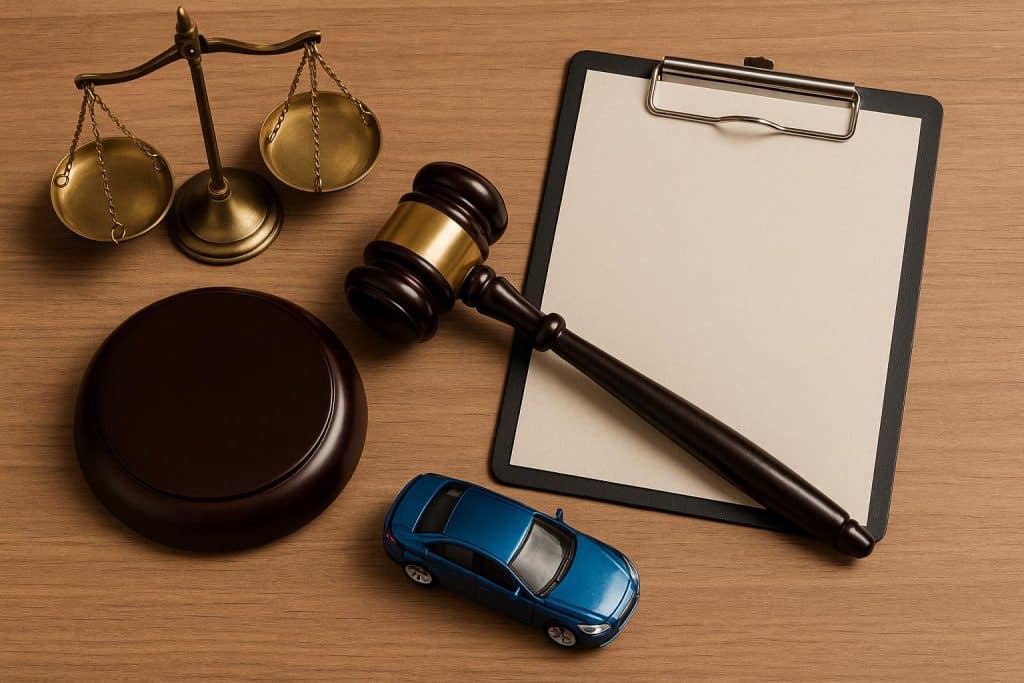
California is a state defined by its sweeping coastlines, vibrant cities, and fast-moving lifestyles that draw people from all walks of life. Daily routines often involve long commutes, busy streets, and active workplaces, and with so much movement and variety, accidents can occur in unexpected ways, leaving individuals feeling overwhelmed as they attempt to regain stability. In a place where residents rely on dependable transportation, safe public areas, and consistent workplace practices, understanding what to do after an accident becomes an essential part of protecting personal well-being.
Many people are unsure how to document the event, communicate with insurance carriers, or determine whether legal support is necessary. Learning about available options gives individuals the ability to approach the aftermath with clarity rather than confusion. A knowledgeable professional can explain the choices available, from insurance negotiations to potential litigation or alternative dispute resolution, helping people make decisions that support both immediate needs and long-term recovery. Attorneys at firms like Bana Law help injured individuals navigate their options with confidence and purpose. Visit website to learn more.
Immediate Steps to Take
Safety should be your priority after an accident. Check for injuries and call emergency services if necessary. Make sure everyone is safe and request assistance. Once you have addressed these priorities, it’s time to collect information. Get the contact details of everyone involved, including witnesses. Take photographs of injuries, property and vehicle damage, road conditions, and anything else that you think may be important. This can serve as evidence later.
Understanding Insurance Claims
Insurance companies play a crucial role in accident claims. It is essential to notify the insurance company as soon as possible. They will guide you through the claims process and specify what the coverage entails.
Insurance adjusters assess the damages and determine appropriate compensation. Providing accurate information in a timely manner can speed up the claims process. Clearly explaining what happened and providing evidence to support your statements can help you navigate the process more easily.
Legal Consultation and Advice
You should seek legal advice if any disputes arise. An attorney can explain your rights and options. They can provide guidance on applicable laws and regulations that relate to the case and negotiate with insurance companies. They make sure you receive fair compensation and will advocate for your interests if there are disagreements. Their guidance can help you overcome challenges during the claims process.
Filing a Lawsuit
Sometimes, litigation may be necessary if insurance payouts are inadequate and negotiations cannot resolve disputes over liability. An attorney can walk you through this process and explain what is expected of you. There are several stages in litigation, such as complaint, discovery, and trial. All phases have their specific requirements and timelines. Being aware of these guidelines will help accident victims set expectations and prepare themselves for the legal process.
Alternative Dispute Resolution
Not every case needs to go to court. You can consider alternative dispute resolution methods, such as mediation or arbitration. These methods are often less formal and encourage parties to collaborate.
A mediator facilitates discussions and allows all parties to discuss their concerns. The aim is to arrive at a solution together that is agreeable to all parties. With arbitration, the outcome is decided by an arbitrator, and the outcome can be binding or non-binding.
Both methods can lead to quicker resolutions and are generally cheaper than litigation. Depending on the situation, it can be worthwhile to explore these avenues.
Long-Term Considerations
Some injuries can have long-term effects, affecting work and everyday life. Anticipating what needs you may have in the future and preparing for them will save you some stress. These future needs should be taken into account when structuring legal settlements. Your damages may include payments for medical bills, lost wages, and future care costs. Addressing these issues can help you feel financially secure.
Conclusion
After an accident, you should make sure everyone is safe and start documenting evidence. A lawyer can explain your rights and options, negotiate with insurers, and represent you in court to secure fair compensation for your injuries and damages. They can advise you on the best course of action depending on your circumstances and help you make informed decisions.