

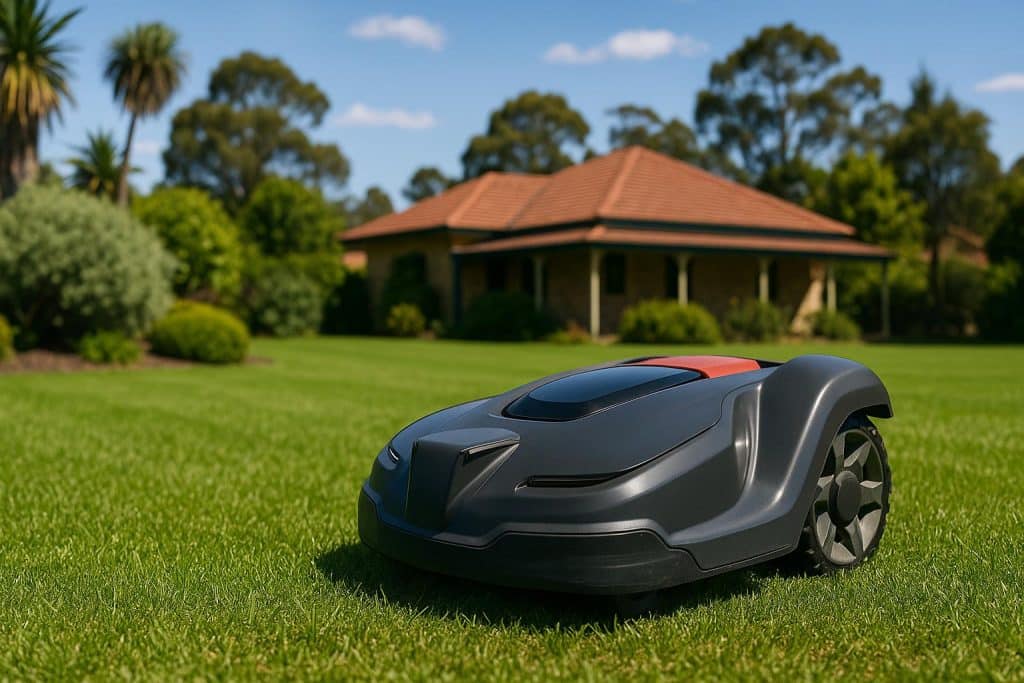
Robot lawn mowers are rapidly gaining traction among Australian homeowners who want a smarter, low-maintenance way to keep their lawns in top shape. As smart home technology continues to evolve and outdoor automation becomes more affordable, these autonomous machines offer a compelling mix of convenience, reliable performance, and long-term cost savings.
Still, choosing the right solution requires more than just enthusiasm for new tech, it’s important to consider how well a robotic mower fits local conditions, property layouts, and compliance requirements.
This guide breaks down the essential factors to consider before purchasing a robot lawn mower Australia homeowners can rely on, from climate suitability to yard size and regulations, helping you make a confident, well-informed decision.
Understanding How Robot Lawn Mowers Work
Robot lawn mowers operate autonomously within a defined mowing area, trimming grass incrementally and frequently rather than cutting large amounts at once. Most models use boundary wires or GPS-based mapping to stay within the lawn perimeter and return to a charging station when needed.
Because robot mowers maintain lawns continuously, grass clippings are typically fine enough to act as natural mulch, improving lawn health and reducing waste. While the concept is simple, performance varies significantly depending on lawn size, terrain, climate, and mower specifications.
Suitability for Australian Lawn Types and Conditions
Australian lawns present unique challenges that differ from those in Europe or North America, where robot mowers were first popularised.
Grass Varieties
Common Australian grasses such as buffalo, couch, kikuyu, and zoysia can be thicker and faster-growing than cool-season grasses. Not all robot mowers handle dense turf equally well. Buyers should ensure the mower is rated for thicker grass varieties and has sufficient blade power and cutting frequency to manage rapid summer growth.
Climate and Weather
Australia’s climate ranges from temperate to tropical, with intense sun, heatwaves, and heavy rainfall in some regions. A suitable robot mower should be UV-resistant, waterproof, and capable of operating safely in high temperatures. Some models include rain sensors that pause mowing during wet conditions, which is particularly beneficial during storm seasons.
Lawn Size, Shape, and Terrain
One of the most critical factors when choosing a robot lawn mower is matching the unit to your property layout.
Lawn Area Coverage
Robot mowers are designed for specific lawn sizes, measured in square metres. Purchasing an underpowered model for a large lawn may result in incomplete coverage or excessive run time. Always choose a mower rated for slightly more than your actual lawn size to account for growth variability and inefficiencies.
Slopes and Uneven Ground
Many Australian properties feature sloping blocks, retaining walls, or uneven terrain. Not all robot mowers handle inclines equally. Check the maximum slope rating and wheel traction design to ensure safe and effective operation.
Obstacles and Garden Features
Complex gardens with trees, garden beds, pathways, and narrow passages may require advanced navigation features. Boundary wire installation and zoning capabilities become especially important for irregularly shaped lawns.
Installation and Setup Requirements
While robot lawn mowers are largely autonomous once installed, initial setup can be time-consuming.
Boundary Wire Installation
Most models require boundary wires to be installed around the perimeter of the lawn and any internal obstacles. This can be done as a DIY project or professionally installed. Homeowners should consider whether they are comfortable performing this task or prefer professional assistance.
Charging Station Placement
The charging station must be positioned on a level surface with access to a weatherproof power supply. Australian homeowners should ensure outdoor power points comply with local electrical safety standards.
Safety, Security, and Compliance
Child and Pet Safety
Robot mowers are designed with safety sensors to stop blades if lifted or obstructed. However, households with young children or pets should prioritise models with advanced obstacle detection and scheduling controls to limit operation during active outdoor hours.
Theft Prevention
Given their value, robot lawn mowers can be a target for theft. Features such as PIN protection, alarms, GPS tracking, and app-based security notifications are highly recommended, particularly in suburban or unfenced properties.
Council and Strata Considerations
Homeowners in strata-managed properties or estates should review by-laws regarding noise, operating hours, and shared boundaries before installation.
Ongoing Maintenance and Ownership Costs
While robot mowers significantly reduce manual labour, they are not maintenance-free.
- Blade replacement: Blades typically require replacement every few months depending on usage.
- Battery lifespan: Lithium-ion batteries generally last several years but are a long-term replacement cost.
- Software updates: Smart models may require firmware updates via an app.
- Seasonal adjustments: Growth rates change throughout the year, requiring schedule adjustments.
Understanding these ongoing costs helps provide a realistic picture of long-term ownership.
Smart Features and Connectivity
Many modern robot lawn mowers integrate with smartphone apps, allowing homeowners to schedule mowing, monitor performance, and receive alerts remotely. Some models integrate with smart home systems and weather forecasting to optimise mowing schedules automatically.
Australian homeowners should consider whether these features add genuine value or unnecessary complexity, particularly for smaller or simpler lawns.
Is a Robot Lawn Mower Worth It?
For many Australian households, robot lawn mowers offer substantial benefits: consistent lawn appearance, reduced physical effort, quieter operation, and time savings. They are particularly appealing for busy professionals, retirees, and environmentally conscious homeowners seeking electric alternatives to petrol-powered equipment.
However, the upfront cost, installation requirements, and property suitability must be carefully weighed. A robot mower is not a one-size-fits-all solution, but when matched correctly to the lawn and lifestyle, it can be a worthwhile long-term investment.
Final Thoughts
Buying a robot lawn mower in Australia requires more than simply choosing the most popular model. Lawn type, climate, property layout, safety considerations, and long-term maintenance all play a crucial role in determining success. By understanding these factors before purchasing, Australian homeowners can make an informed decision that delivers reliable performance, convenience, and lasting value.
For those seeking a smarter way to maintain their lawn year-round, a robot lawn mower may represent the future of Australian home gardening.