


Record-keeping is something you probably want to avoid. You would prefer to build your brand rather than file receipts. But good habits these days are not merely about keeping the Australian Taxation Office (ATO) pleased. It is only through them that you can know whether your business is actually making money or not.
In case you are not sure what exactly you should put in your filing cabinet (or cloud storage), here is a no-jargon guide to the records you should maintain.
The Golden Rule: Hold onto Everything for Five Years
We have one rule before we consider specific documents, and that is Five Years.
In Australia, the law is that you should retain your business records for five years after you have lodged your tax return.
Consider your records as the alibi for your business. In case the ATO happens to raise questions, you must show how you were able to calculate your income and expenses. If you cannot demonstrate an expense using a document, it did not occur in the eyes of the tax office.
Income Records: You Earned It
The best thing about business is tracing the money coming in. A paper trail is required for each and every dollar that your business earns.
What to keep:
- Invoices: A copy of all invoices that you send to a client.
- Receipts: In case you sell products directly (such as at a market), retain your register tapes or receipt books.
- Bank Statements: These serve as verification for your records.
- Platform Summaries: Sell on PayPal, eBay, or Etsy? Get your monthly sales reports.
Hint: You should not simply record the net amount entering your bank account. You must note down the gross sales amount (the amount before deduction of fees).
Expense Records: The Game of Deductions
This is where you will save on tax. All legitimate business expenses which you are tracking reduce your taxable income. But you have to prove it.
To make any purchase, you require a document that indicates:
- Name of supplier.
- How much it cost.
- What it was (Nature of goods).
- When you bought it (Date).
- The date the document was created.
The “Mixed Use” Trap
When you purchase an item that you use both as an individual and a business, such as a laptop or a mobile phone, you cannot claim the entire amount on the receipt. You have to calculate the business portion.
Home Office Expenses: What is Claimable?
If you are working at home, the most important questions you will have will concern the house. The ATO divides these costs into two buckets: Running Expenses and Occupancy Expenses.
Running Expenses (The Easy Stuff)
These are additional expenses that you incur in the course of working, such as electricity, internet, and stationery.
The Fixed Rate Method
Note: Please double-check the current rate with the ATO, as rates are subject to change annually.
The ATO permits a fixed deductible rate per hour.
- What it includes: Cell phone, internet, electricity, and stationery.
- The Catch: You have to maintain a record of the real number of hours worked. You cannot simply make a “fair estimate” anymore. You require a timesheet, a roster, or a diary that is maintained throughout the year.
The Actual Cost Method
Alternatively, you can calculate the precise percentage of your electricity and internet bills that you used for business.
- The Catch: You require each and every utility bill and a complicated calculation depending on floor area and usage.
Occupancy Expenses (The Hard Stuff)
This consists of rent, mortgage interest, council rates, and house insurance.
Caution: These cannot be claimed by most home-based businesses.
Your residence must be a “place of business” in order to claim rent or mortgage. This usually means:
- You have a specific space (such as a salon or clinic) that is not used in your domestic life.
- It has an independent entrance or signage.
- It cannot be easily configured to be used by the family.
If you simply reply to mail in an office somewhere in the corner, stick to claiming Running Expenses.
Assets and Equipment
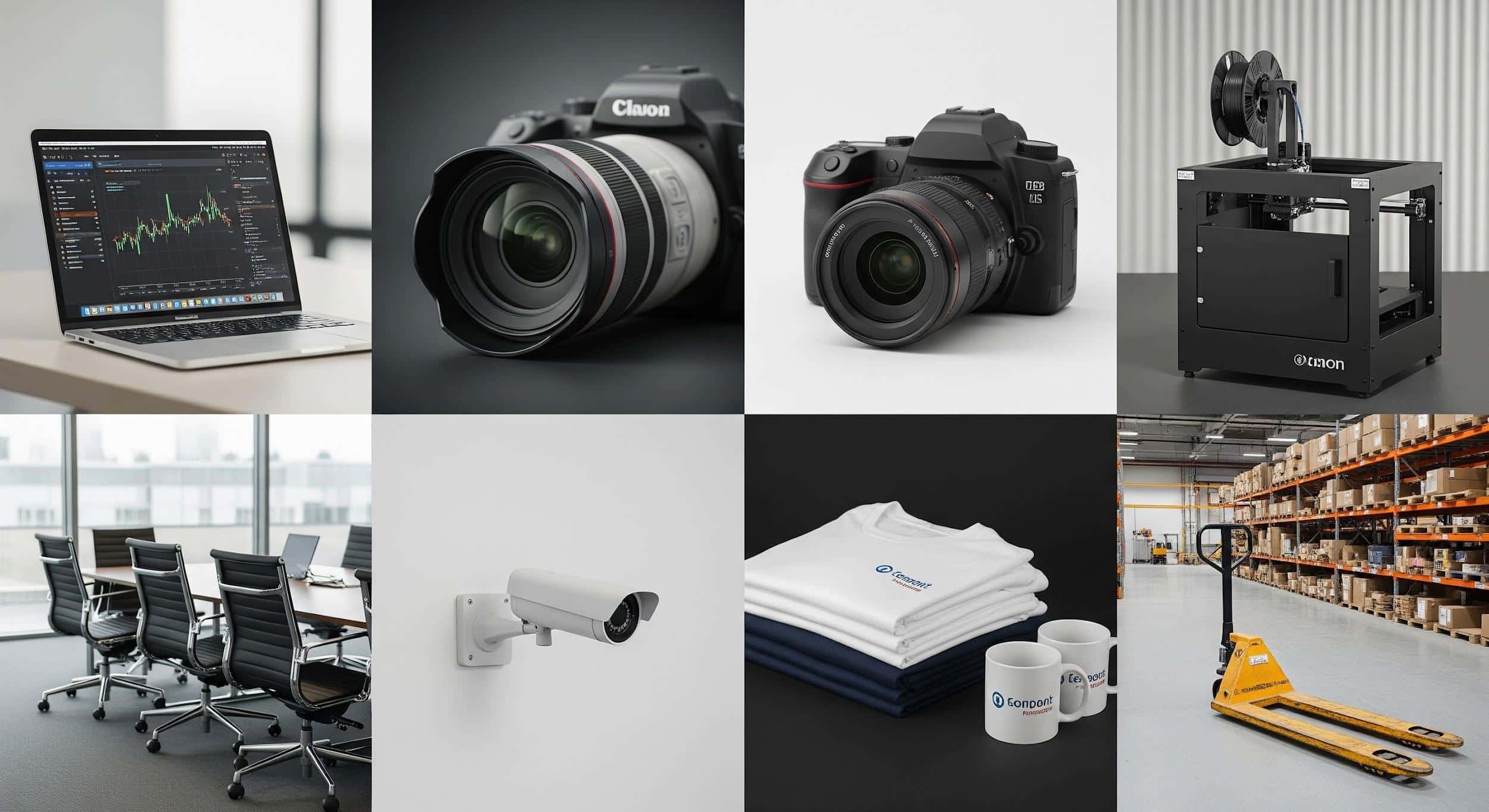
Have you purchased a special machine, an expensive camera, or office furniture? These are “assets.”
When an asset exceeds the immediate write-off limit (check the current rules for the particular year), then you may be required to depreciate the asset over time.
What to keep:
- Purchase receipts.
- The date when you started using it for business.
- History of its anticipated life (effective life).
The Reason You Should Have a Different Bank Account
You are technically allowed to use your own account in case you are a sole trader, but you should not. Combining business and grocery shopping is a nightmare for record-keeping.
Why separate is better:
- A clean bank statement is produced, easy to read.
- It appears more presentable to the ATO.
- In case you accidentally use a personal card for business, you can reimburse yourself from the business account to form a trail of the transaction.
Getting the Right Help
The establishment of such systems is daunting. You do not wish to spend your weekends struggling with spreadsheets or being concerned about whether you are charging the correct amount for electricity.
In case you want someone to assist you with the installation of a system, such as Xero or a basic ledger, a search for accounting services in Bargo is a good step. A local professional can assist you in sorting out your books in a way that ensures you do not skip those little, day-to-day receipts that will add up to great savings.
Then it becomes more technical when it comes to filing your return. If you have to go through the “place of business” tests or check your depreciation schedules, a registered tax agent in Wollongong can advise you on the high-level details you need to stay safe and compliant.
Conclusion
Keeping records is not the most glamorous part of starting a business, but it is the safety net that keeps you going.
You are creating a business-like operation by recording your income, tracking all your expenditures, and keeping a record of your time spent working. Start today. Take pictures of those receipts and enter them in your books, and your future self will be grateful once tax time comes.