

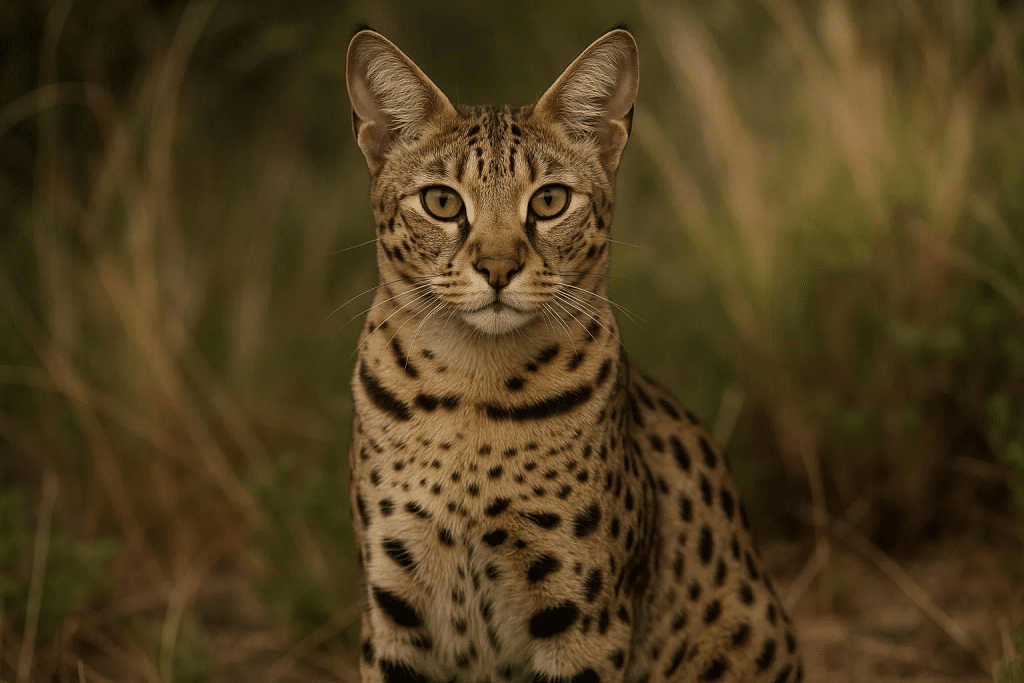
Choosing a cat breed is more than picking a pretty face, it’s about matching lifestyle, care level, and personality. Two very different breeds that often draw attention are the Savannah cat and the British Shorthair. While one blends wild origins with domestic living, the other is the epitome of the classic, plush British pedigree. This article explores their histories, physical differences, temperament, color varieties, feeding needs, and how to care for each.
Origins and breed background
Savannah cat
The Savannah is a hybrid breed created by crossing a serval (a wild African cat) with a domestic cat, typically in the F1, F2, or subsequent filial generations. The aim was to preserve much of the serval’s exotic appearance, long legs, spotted coat, tall ears, while maintaining a domestic temperament. The breed became more widely recognized in the late 20th century as breeders refined the balance between wild traits and social adaptability. Because of its heritage, the Savannah is often considered more challenging to keep than typical domestic cats.
British Shorthair
In contrast, the British Shorthair is a historic domestic breed from the United Kingdom. Its ancestors were local barn and working cats, refined over time for a compact, cobby build and a dense, plush coat. Over many generations, breeders stabilized a mild temperament and a wide palette of colours and patterns. Today this breed is among the most beloved and widely recognized domestic cats worldwide.
Physical build, size & features
Savannah cat
One of the most distinctive features of a Savannah cat is its long legs and lean body. Because of its serval ancestry, some Savannahs stand tall and appear almost leggy compared to typical cats. Their backslope slightly from the hindquarters to shoulders; they carry themselves with a wild-cat elegance. Ear size is large and often held upright, sometimes with a “tear-stain” marking below. The tail is moderate in length with black tip banding or rings.
British Shorthair
British Shorthairs are sturdy, compact, and muscular with a rounded, cobby body type. Their build is stocky rather than elongated. The head is broad with full cheeks (especially in adult males), the muzzle is short, and ears are medium‐sized and slightly rounded. Their limbs are strong and straight, and the tail is thick and medium in length with a rounded tip.
Thus the contrast is dramatic: the Savannah’s sleek, elongated limbs versus the British Shorthair’s robust, compact structure.
Colour varieties & coat patterns
Savannah cat colours
Because the Savannah is a hybrid, it tends to carry coat patterns reminiscent of its wild ancestors. The most common patterns include spotted (black or dark brown spots on gold, cream, or silver ground), marbled, and occasionally rosette patterns. Some Savannahs may show exotic smoke or shaded variations. Due to its mixed heritage, the coat colors tend to remain within natural wild‐cat tones rather than pastel or dilute varieties.
British Shorthair colours
The British Shorthair boasts one of the broadest accepted ranges of colours and patterns among domestic breeds. Solid colours include blue (the classic “British Blue”), black, white, red, cream, chocolate, lilac, cinnamon, and fawn. Patterns include classic tabby, mackerel, spotted, ticked, tortoiseshell, bi‐colour, silver, golden shaded/tipped, and even colourpoint variants. Eye colour often complements the coat: copper or gold in many solids, green in silvers, and blue in pointed cats. This generosity in variety is one of the breed’s attractions.
Temperament, behavior & adaptability
Savannah cats and British Shorthairs differ markedly in their behavioral styles.
Savannah cat
Savannahs are energetic, curious, intelligent, and often assertive. They retain traits from wild ancestors: strong hunting instincts, desire to climb, and high agility. Many enjoy water, can walk on a leash, and need significant environmental enrichment. Some can be quite vocal. Because of this, Savannahs are often best suited for experienced cat owners who can offer robust stimulation and respect their space and activity needs.
British Shorthair
By contrast, British Shorthairs are calm, dignified, and composed. They are affectionate but not overly demanding. Rather than actively seeking constant attention, they prefer to sit beside their owners and observe rather than pester. They adapt well to indoor life, tolerate quiet routines, and are less likely to become stressed by stable environments.
Renowned cat behaviorist Pam Johnson-Bennett once observed that calm companion cats often express their trust by turning away or sitting at a distance not because they’re aloof, but because they feel secure. This attitude aligns more with a British Shorthair than with a high-energy hybrid.

Feeding & nutritional needs
Feeding requirements must account for size, activity levels, and metabolic demands.
Savannah cat
Savannahs often have high energy needs and may benefit from diets higher in protein and fat, closer to raw or biologically appropriate diets (when properly balanced). Lean muscle maintenance is essential, so high‐quality animal protein sources are crucial. Portions should be carefully controlled to avoid digestive upset, and supplementation (e.g. taurine, omega fatty acids) might be considered under veterinary guidance. Because of the Savannah’s athleticism, they may require more frequent meals or scheduled feeding times to sustain energy for play and exploration.
British Shorthair
British Shorthairs demand a nutritionally balanced diet, generally less calorically dense than for active breeds. Since they are less active, overfeeding can lead to obesity, which in turn risks joint stress and heart strain. High protein and moderate fat are ideal, but portions must be regulated. Senior or low-activity formulations may benefit older or less active individuals. Monitoring their body condition score regularly is key.
In both cases, fresh water should always be available, and wet food can help with hydration and urinary health when integrated thoughtfully.
Health concerns & longevity
Savannah cat
Savannah cats can enjoy lifespans around 12–18 years, though health largely depends on the generation of hybrid and breeding quality. Because of wild ancestry, hybrid traits can sometimes introduce unpredictability in disease susceptibility. Common concerns include potential kidney issues, dental problems, and joint stress given their active nature. Responsible breeders often screen for hereditary conditions, monitor growth, and ensure early socialization.
British Shorthair
British Shorthairs are generally strong and healthy with lifespans often reaching 12–16 years or more. Two prominent issues to watch include hypertrophic cardiomyopathy (HCM), a cardiac abnormality more frequent in some pedigrees, and obesity given their solid frames and sometimes sedentary inclinations. Genetic screening for heart health and careful weight management are standard preventive measures in responsible breeding lines.
Comparative table: Savannah cat vs British Shorthair
| Feature | Savannah Cat | British Shorthair |
|---|---|---|
| Body type & build | Long-limbed, slender, high-legged | Compact, cobby, sturdy |
| Coat & colour patterns | Spotted, marbled, wild-toned | Wide range: solid, tabby, tortoiseshell, shaded, colourpoint |
| Temperament | Energetic, inquisitive, adventurous | Calm, dignified, reservedly affectionate |
| Activity needs | High climbing, exploration, play | Moderate, daily play sessions suffice |
| Grooming needs | Moderate, occasional brushing | Low to moderate, weekly brushing |
| Feeding | High protein, possibly raw or enriched diets | Balanced diet, portion controlled to prevent obesity |
| Typical lifespan | 12–18 years | 12–16 years |
| Health concerns | Joint stress, dental, kidney issues | HCM, obesity, cardiac risks |
How to choose & compatibility with your lifestyle
If you lead an active, adventurous, enriched home and welcome a cat that will challenge you mentally and physically, a Savannah cat may be rewarding, but it also demands commitment. Their hybrid energy is not for passive or casual pet owners. They need climbing structures, enrichment toys, space, and engagement.
Meanwhile, if you prefer a more relaxed, gentle companion that blends gracefully into home life, a British Shorthair may be ideal. Their lower energy, affectionate nature, and plush presence make them well suited to quiet households, apartment life, or first-time cat owners.
When considering acquisition, some breeders or listings advertise cats via links like https://www.kittensup4sale.com/british. But always vet any breeder for health screenings, lineage, and ethical practices, especially when dealing with pedigreed or hybrid breeds.
The Savannah cat and the British Shorthair offer radically different experiences to a cat owner. The Savannah gives wild flair, high agility, and active engagement; the British Shorthair offers plush comfort, composed companionship, and lower activity demands. Each has its own strengths, and their appeal depends on which qualities align with your household and lifestyle.
Either breed can enrich your life with feline affection, but choosing responsibly prioritizing breeder ethics, health screening, and compatibility, ensures a rewarding and lasting bond. May your future feline companion bring you joy, whether in silent dignity or energetic leaps.