

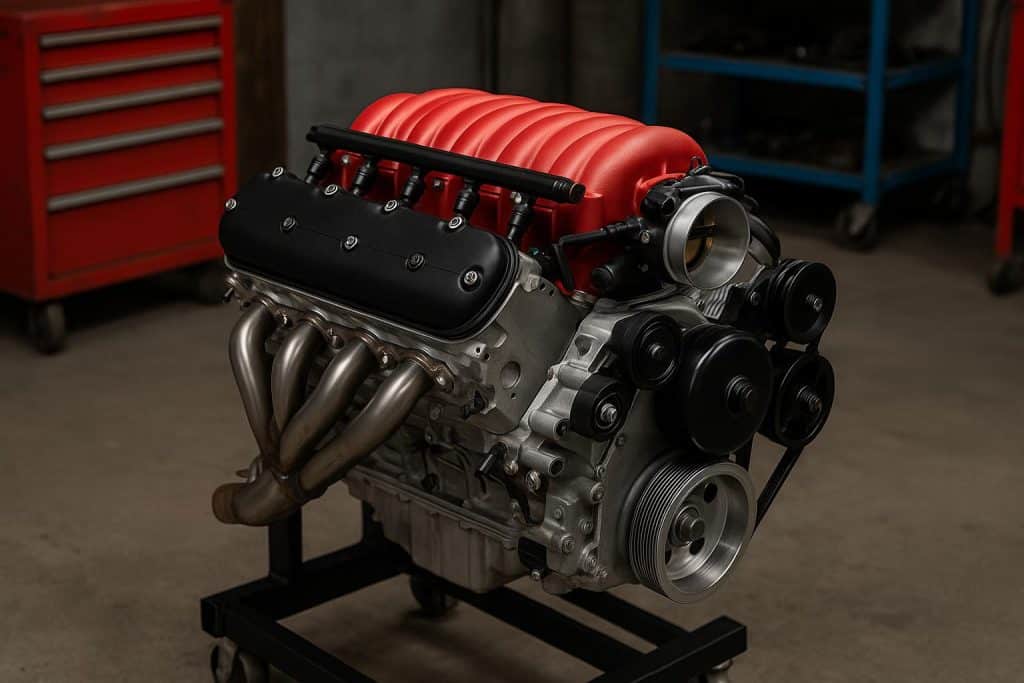
So, you’ve decided to join the club and put an LS engine into your car. That’s a fantastic choice. These modern V8s are famous for giving you a ton of power without breaking the bank. They’re light, compact, and you can find parts for them anywhere.
But before you start pulling out your old engine, there’s a lot to figure out. An engine swap is a big project. Doing your homework now can save you from big headaches, wasted money, and a car that sits in your garage unfinished.
This guide will walk you through the key things you need to know to get it right.
Getting Started: Your Engine And Budget Plan
The very first step is knowing what you want and what you can spend. Are you building a fast street car, a weekend cruiser, or a track monster? Your goals will decide everything else.
Finding Your LS Engine
You have two main paths here. You can hunt for a used engine from a salvage yard, or you can buy a brand-new LS crate engine. Used engines from trucks like Tahoes or Suburbans can be very affordable, sometimes found for under $1,000. This is a great way to start a budget-friendly project. Just remember, a used engine might need some extra work or repairs.
If your budget allows, a new LS crate engine is a fantastic option. These come ready to run, often with a warranty, and you can pick the exact power level you want. Popular choices include the 430+ horsepower LS3 for street builds or the supercharged LSA for serious power.
Planning For The Hidden Costs
The engine is just one piece of the puzzle. Experts agree that the biggest mistake is not planning for all the other parts you’ll need. Here are some major costs to budget for:
- Transmission & Driveline: Your old transmission might not handle the new power. You’ll need a compatible transmission, a new clutch or torque converter, a driveshaft, and a stronger rear end.
- Fuel System: The new engine will need more fuel. Plan for a high-performance fuel pump, new lines, and possibly a fuel regulator.
- Cooling System: A powerful V8 creates more heat. You will likely need a bigger radiator and electric fans to keep temperatures under control.
- The “Little Things”: Gaskets, fluids, hoses, belts, and hundreds of bolts and brackets. These small parts add up quickly in cost.
The Critical Parts For A Successful Swap
You can’t just drop an LS engine in and hook up two wires. To make it fit and work, you need special conversion parts. Trying to mix and match random parts from different companies is the fastest way to run into frustrating problems.
- Engine Mounts and Headers: These are the most important fitment parts. Universal mounts often lead to issues where the headers won’t clear the steering or frame. Using a matched engine mount and header kit designed for your specific car is crucial.
- Oil Pan: The oil pan that comes on a truck or Corvette engine often won’t fit in a different chassis. You’ll likely need a specific “swap” oil pan to clear the crossmember and suspension.
- Accessory Drive: The factory alternator, A/C compressor, and power steering pump might hit your hood or frame. A repositioned accessory drive kit relocates these components so everything fits neatly under the hood.
The Brain And Nerves: Wiring And Electronics
For many builders, this is the most intimidating part. Modern engines are controlled by computers. Getting the wiring wrong means your engine won’t start or run properly.
This is where a standalone harness becomes your best friend. A factory wiring harness is filled with dozens of wires that talk to the original car’s dashboard, security system, and other modules. For a swap, all those extra wires are useless and confusing.
A standalone harness simplifies everything. It is a custom wiring harness that includes only the wires needed to make the engine run. Companies like PSI Conversions specialize in making these LS swap standalone harnesses and conversion parts that are plug-and-play. You connect it to the engine sensors and the computer, provide power and ground, and you’re most of the way there. This is far easier than trying to modify a tangled factory harness yourself.
You will also need the engine computer (ECU or PCM) to be tuned. The factory security system (called VATS) must be disabled, or the engine will start and immediately shut off. This requires special software and is best handled by a professional tuner when you’re getting the final tune for your car.
Final Steps And Professional Advice
As you get close to finishing, pay attention to the finishing touches. Make sure your driveline angles are correct after the new transmission is installed. Bad angles cause terrible vibrations. Don’t forget to upgrade your brakes to handle the new speed you’ll be able to create!
If you ever feel stuck, don’t be afraid to ask for help. Call the tech support for the parts you bought. Companies that specialize in swaps, like PSI Conversions, have seen hundreds of projects and can offer invaluable advice to solve your specific problem.
Wrapping Up Your LS Swap Journey
Upgrading to an LS engine is one of the most rewarding projects you can do. It transforms your car’s personality and performance. The key to success is preparation. Choose the right engine for your goals, invest in the proper conversion parts to make it fit, and use a quality standalone harness to tame the wiring.
By planning each step and using proven parts from trusted suppliers, you’ll spend less time fixing problems and more time enjoying the incredible power and reliability of your new LS engine. Now, get out to the garage and make it happen.