

If you’ve ever faced the headache of moving stuff that just won’t fit in your car—or hauling heavy equipment that’s too big or awkward to carry alone—you know trailers can be a lifesaver. But here’s the thing: not all trailers are made the same. Picking the wrong one can turn your job from a smooth ride into a stressful slog. So, how do you figure out which trailer fits your needs without the guesswork?
Whether you’re a contractor hauling tools, a mover shifting furniture, or a DIYer tackling a weekend project, this quick guide will help you pick the right trailer for the job. No jargon, no fluff—just straight talk about what works best.
What Kinds of Trailers Are Out There? Let’s Break It Down.
Before you start shopping, it’s smart to know your options. Trailers come in all shapes and sizes, each built for different tasks. Here’s the rundown on the most common types and what they’re good for:
Utility Trailers:
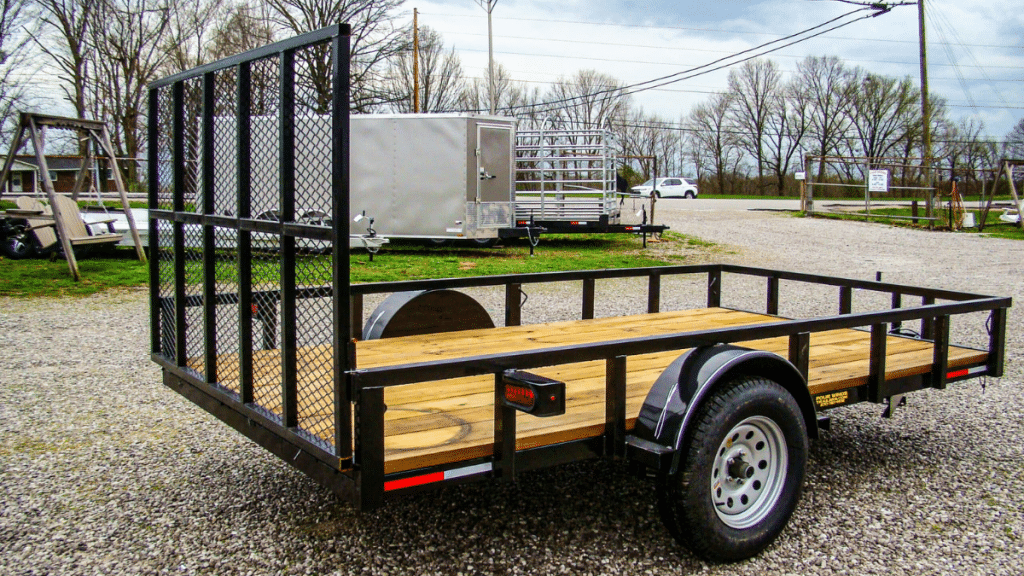
Think of these as the all-rounders. Open, flat, and often with low sides, utility trailers are great for hauling everything from lumber and yard waste to furniture. They’re simple and easy to load, making them a favorite for light to medium hauling jobs.
Equipment Trailers:
If you’re a contractor or someone who moves heavy gear, this is your go-to. Equipment trailers are built tough to handle heavy machinery—like skid steers, mini-excavators, or even large power tools. They usually have ramps for easy loading and sturdy frames to support big weights.
Enclosed Trailers:
Got stuff that needs protection? Enclosed trailers are covered on all sides and lockable, so your cargo stays dry and secure. Movers love these for furniture and boxes. Contractors sometimes use them for tools that can’t get wet or need to stay out of sight.
Flatbed Trailers:
These have no sides or roof—just a flat platform. They’re perfect for oversized or oddly shaped items that wouldn’t fit inside an enclosed trailer. Think building materials, large equipment, or even vehicles.
Car Trailers:
Specialized for towing cars, these trailers have built-in features like wheel wells and tie-down points to keep vehicles safe during transport. If you’re moving a car, a car trailer is the way to go.
How to Choose the Right Trailer for Your Job: What Really Matters
Alright, now you know the types, but what actually drives your decision? Let’s talk about the key factors that make or break your trailer choice.
Load Capacity and Weight Limits:
This one’s critical. Every trailer has a maximum weight it can safely carry. Going over it isn’t just dangerous; it can damage your trailer and get you in trouble with the law. Figure out the weight of what you’ll be hauling—including the trailer itself—and make sure your trailer’s rating covers it comfortably.
Size and Dimensions:
It sounds obvious, but you’d be surprised how many people pick a trailer that’s too small. Measure your cargo and think about how it will fit. Leave a little extra room for easy loading and securing the load.
Towing Vehicle Compatibility:
Your trailer is only as good as the vehicle pulling it. Check your vehicle’s towing capacity and hitch type. No point in renting a big trailer if your truck or SUV can’t handle the weight.
Terrain and Road Conditions:
Where will you be driving? If it’s mostly paved roads, a standard trailer is fine. But if you’re heading onto rough or uneven terrain, you might want a trailer with stronger suspension or off-road tires.
Security and Weather Protection:
If your stuff is sensitive to weather or theft, enclosed trailers or lockable utility trailers can save you headaches. For things like tools, electronics, or furniture, this can make all the difference.
Ease of Loading and Unloading:
Some trailers come with ramps or tilting beds, which can make your life a lot easier, especially with heavy equipment. Think about how you’ll get your cargo on and off the trailer before you decide.
Who Should Use What? Matching Trailers to Your Needs
Now that you’ve got the basics, here’s a quick guide to help you zero in on what works best depending on who you are and what you’re doing.
Contractors:
If you’re hauling heavy tools and machinery, equipment trailers are often the best bet. They’re made for the job and will handle weight without breaking a sweat. Utility trailers are also handy for smaller jobs and lighter gear. When security matters, consider enclosed trailers to keep tools safe and dry on-site or during transport.
Movers:
Enclosed trailers are usually the way to go. They protect furniture and boxes from weather and theft, plus they help keep everything organized. For really big or awkward items, flatbed trailers can come in handy, especially when you don’t mind your cargo being exposed temporarily.
DIYers:
If you’re hauling stuff just once in a while, smaller utility trailers are often enough. They’re affordable, easy to maneuver, and perfect for trips to the hardware store, yard waste, or furniture pickups. If you have bigger tools or occasional heavy loads, renting an equipment trailer can be a smart move without a big investment.
Safety First: Tips to Make Trailer Hauling Smooth and Secure
Choosing the right trailer is just step one. How you use it matters just as much.
- Hitch It Right: Make sure your trailer hitch is rated for the weight you’re towing and that it’s properly secured. Double-check the safety chains, too.
- Balance Your Load: Keep heavy stuff centered and low on the trailer. This helps prevent swaying and keeps control steady on the road.
- Check Your Tires and Lights: Trailer tires take a beating. Inspect them for wear and keep them properly inflated. Don’t forget the brake lights and turn signals—both on the trailer and the towing vehicle.
- Stay Legal: Different places have rules on trailer sizes, weight, and even speed limits. Check local laws to avoid fines or trouble.
- Regular Maintenance: Grease the wheel bearings, check the brakes if your trailer has them, and look for any loose bolts or damage before every trip.
Wrapping It Up: Get the Right Trailer and Get It Done
At the end of the day, the best trailer is the one that fits your cargo, matches your vehicle, and makes your job easier—not harder. Contractors, movers, and DIYers each have different needs, but the same rules apply: know what you’re hauling, pick a trailer built for the job, and handle it with care.
Take a minute before your next big haul to think through what you really need. It’ll save you time, money, and frustration—and get your gear where it needs to go without a hitch.
Ready to roll? Pick your trailer wisely, hit the road safely, and make your project a success.