

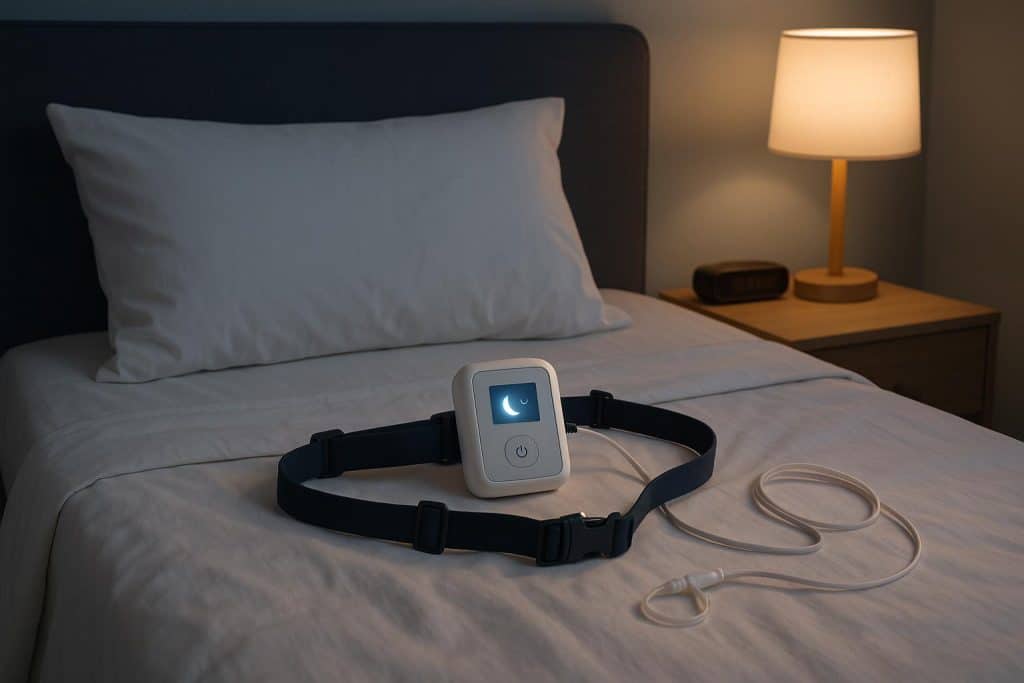
Sleep affects every aspect of health, yet many people ignore disruptions in their nightly patterns. Identifying sleep disorders early helps improve daily performance, mood, and overall wellness. Traditionally, people visited sleep clinics for evaluation. Now, home-based sleep studies offer a simple, comfortable alternative. This approach makes diagnosis accessible, accurate, and less stressful for many individuals who need answers.
Comfort of Familiar Surroundings
The result of sleeping in an unfamiliar environment feels uncomfortable for most. Sleep laboratories are often clinical environments with strange beds, sounds, and lights. These kinds of changes can disrupt sleep. Whereas, during a sleep study at home, patients can sleep in their own beds, surrounded by their usual comforts. Sleeping in a known environment yields more accurate results. For the accuracy of the study, it is better that people sleep more deeply.
Convenience for Busy Lifestyles
Portable sleep testing complements day-to-day routines. Normal bedtime equipment is provided to individuals at home. You do not need to travel or take an extra unpaid day off work. This flexibility motivates many people to seek answers regarding their sleep health.
Less Stress, Better Results
Anxiety often accompanies clinical evaluations. Hospital observation or monitoring concerns can disrupt sleep. Home testing eliminates these concerns. With no pressure of a move to unusual surroundings, individuals unwind and rest naturally. Therefore, the data recorded does not get influenced by the stress of observation.
Accurate and Reliable Technology
Advances in sleep monitoring devices for the home have made them highly reliable. These devices measure vital sleep indicators such as breathing, oxygen levels, and movement. The technology has undergone extensive testing to ensure precision. Many healthcare professionals now trust home results when diagnosing common sleep disorders. This confidence in the technology supports its growing use and acceptance.
Cost-Effectiveness
The price of overnight studies in medical facilities is substantial. These costs are minimized dramatically with home-based alternatives. Individuals are circumventing facility fees and the expenses associated with travel. Insurance providers find it easier to approve home studies due to their lower cost. This affordability opens up access to more people who might want to reduce their sleep issues.
Privacy and Dignity
Testing in a clinic feels awkward for some people. Home studies are private and help protect your personal dignity. They can avoid wearing hospital gowns or sharing a room with another stranger. They can carry on with their nightly routines without being seen or humiliated. This privacy makes it easier to report symptoms.
Simple Setup and Support
Setting up home sleep monitoring equipment is straightforward. The devices arrive with easy-to-follow instructions. Many providers offer support via phone or video to guide users through the setup process. If questions arise, help is readily available. This straightforward approach makes the test accessible for people of all ages and backgrounds.
Timely Results and Next Steps
Specialists immediately evaluate the at-home study data after its collection. Often, specialists receive results quickly, sometimes within days. This rapidity reduces the duration between suspicion and diagnosis. After checking the reports, the healthcare teams discuss treatment options and the next steps. With that feedback coming quickly, people can start sleeping better right away.
Encouraging Early Detection
Home-based sleep studies promote a proactive approach to health by encouraging individuals to seek help at the first signs of sleep issues. This technology facilitates quicker interventions, leading to improved health outcomes through timely diagnosis and treatment. Inconvenience and fear are no longer the causes for postponed diagnosis.
Conclusion
A home sleep study combines comfort, convenience, privacy, and effective results. This kind of solution supersedes any barriers preventing individuals from seeking diagnosis and treatment. Simplifying and removing the threat from the process results in more people watching their backs. So if we find it early and intervene, we can enjoy better sleep and quality of life.