

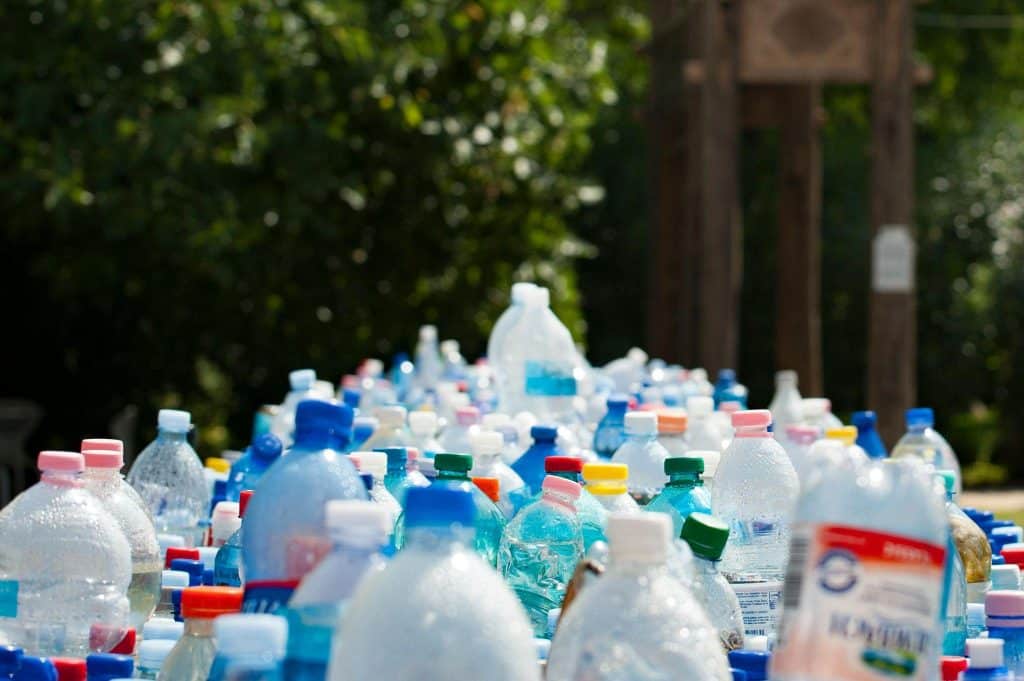
Canadian cities generate vast amounts of recyclable waste every day. Beverage containers—plastic bottles, aluminum cans, and glass—are among the most common items consumed in urban environments, driven by busy lifestyles, convenience purchases, and on-the-go consumption. Managing this volume responsibly is a growing challenge for municipalities striving to balance environmental goals with operational efficiency.
Bottle depots play a critical role in addressing this challenge. By supporting the deposit-refund system, they provide an effective mechanism for recovering beverage containers while encouraging consistent public participation. In dense urban settings, bottle depots are not optional conveniences; they are essential components of sustainable waste management.
The Unique Waste Challenges of Urban Areas
Urban environments face waste-management pressures that differ significantly from those in rural or suburban communities. High population density means more consumption and faster waste generation, often concentrated in limited spaces.
Common urban challenges include:
- Overflowing recycling bins
- Contamination of curbside recycling streams
- Limited storage space in apartments and condos
- Increased litter in public spaces
Beverage containers, due to their volume and frequency of use, are at the centre of these challenges.
Why Bottle Depots Matter in Cities
Curbside recycling programs play an important role, but they are not designed to handle all waste efficiently—especially refundable beverage containers. Bottle depots offer a targeted solution that complements municipal systems.
Using a Calgary bottle depot allows urban residents to:
- Separate refundable containers from general recycling
- Reduce contamination in shared bins
- Ensure containers are properly processed
This separation improves recycling efficiency across the entire system.
Deposit-Refund Systems and Behavioural Change
The effectiveness of bottle depots lies in their ability to influence behaviour. A small deposit creates a strong incentive for action, transforming recycling into a deliberate choice rather than a passive habit.
In cities, where convenience strongly influences behaviour, the deposit-refund model:
- Encourages residents to retain containers
- Reduces casual disposal and littering
- Increases overall recovery rates
Over time, this incentive-based approach reshapes how people view waste.
Apartment Living and Recycling Limitations
Apartment and condominium living presents unique recycling challenges. Shared recycling rooms often suffer from contamination, improper sorting, and inconsistent use.
Bottle depots help apartment residents by:
- Providing an alternative to crowded recycling rooms
- Allowing individuals to control their recycling outcomes
- Reducing reliance on building-wide systems
For many urban dwellers, depots are the most reliable way to ensure containers are recycled correctly.
Accessibility and Urban Participation
Accessibility is a key factor in recycling participation. When depots are conveniently located within city neighbourhoods, return rates increase significantly.
An accessible bottle depot Calgary option supports:
- Seniors and families without private vehicles
- Renters with limited storage space
- Residents seeking efficient recycling solutions
Convenient access removes barriers and encourages consistent participation.
Reducing Urban Litter Through Container Value
Beverage containers are among the most commonly littered items in cities. Streets, parks, transit areas, and waterways often accumulate discarded bottles and cans.
Deposit-refund systems reduce litter by assigning value to containers. When containers have monetary worth:
- People are less likely to discard them
- Others are motivated to collect abandoned containers
- Public spaces remain cleaner
Bottle depots support this value-driven approach to litter reduction.
Supporting Community and Grassroots Initiatives
Urban communities often organize container collection drives to support schools, charities, and local programs. Bottle depots make these initiatives possible by providing a clear return pathway.
Community benefits include:
- Accessible fundraising opportunities
- Increased environmental awareness
- Stronger neighbourhood engagement
These initiatives strengthen social connections while promoting recycling.
Economic Benefits for Urban Residents
Living costs in cities are often higher, making small financial incentives more meaningful. Deposit refunds accumulated through regular returns can provide tangible benefits.
Urban residents use refunds to:
- Offset grocery or transit expenses
- Support household budgets
- Fund community activities
These economic benefits reinforce consistent recycling behaviour.
Improving Recycling Quality in Cities
Contamination is a persistent issue in urban recycling systems. Mixed materials, food residue, and improper disposal reduce recycling effectiveness.
Bottle depots improve material quality by:
- Accepting specific container types
- Encouraging preparation and sorting
- Processing materials separately
Cleaner recycling streams lead to higher recovery rates and better environmental outcomes.
Environmental Impact at the City Scale
When multiplied across thousands of households, depot participation produces measurable environmental benefits for cities.
These benefits include:
- Reduced landfill dependency
- Lower municipal waste management costs
- Decreased greenhouse gas emissions
Urban bottle depot use supports municipal sustainability goals and long-term planning.
Bottle Depots and Circular Economy Principles
Cities are central to Canada’s transition toward a circular economy, where materials are reused rather than discarded.
Bottle depots support this transition by:
- Recovering containers efficiently
- Supplying clean recyclable materials
- Reducing reliance on virgin resources
Urban participation strengthens these material recovery cycles.
Encouraging Responsible Consumption Patterns
When urban residents actively return containers, they become more conscious of consumption habits. Storing and returning empties creates a natural pause that encourages reflection.
This awareness often leads to:
- Reduced impulse purchases
- Preference for recyclable packaging
- Increased interest in waste reduction
Bottle depots act as a gateway to broader sustainability practices.
Reducing Pressure on Municipal Infrastructure
Municipal recycling and waste services are costly to operate, particularly in large cities. Bottle depots reduce strain on these systems by handling a specific, high-volume waste category independently.
This allows municipalities to:
- Allocate resources more efficiently
- Improve service reliability
- Focus on other waste management priorities
Depot-based recycling strengthens overall urban infrastructure.
Equity and Inclusion in Urban Recycling
Not all urban residents have equal access to recycling services. Housing type, income level, and mobility can all affect participation.
Bottle depots promote equity by:
- Offering centralized, accessible return locations
- Providing financial incentives to all participants
- Supporting diverse household needs
Inclusive recycling systems lead to higher overall participation and better outcomes.
Long-Term Urban Sustainability Outcomes
Consistent bottle depot use contributes to long-term urban sustainability by:
- Reducing waste accumulation
- Improving recycling culture
- Supporting cleaner, healthier cities
These outcomes build over time, shaping more resilient urban environments.
Integrating Depot Visits Into City Life
Urban routines are often fast-paced, but depot visits can be integrated easily. Many residents combine returns with shopping, commuting, or weekend errands.
Routine integration:
- Improves consistency
- Reduces storage challenges
- Makes recycling effortless
Convenience is key to sustained participation.
Final Thoughts
Bottle depots are essential to effective urban recycling in Canada. By supporting the deposit-refund system, they reduce waste, improve material recovery, and encourage responsible behaviour across diverse populations.
Using a bottle depot enables urban residents to participate actively in sustainability efforts. Through consistent use, bottle depots help cities manage growth responsibly while protecting the environment for future generations.