

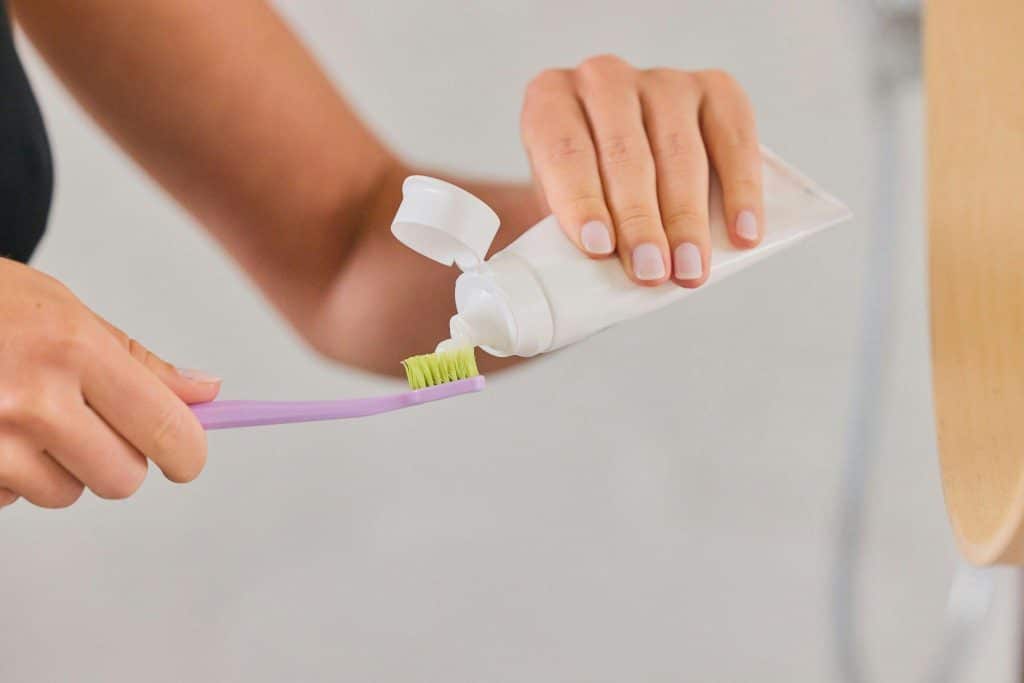
Oral care is often treated as a cosmetic or hygiene concern, something we do to keep our teeth looking clean and our breath fresh. Yet growing research suggests that what happens in the mouth has a much wider impact on overall health than many people realize. Daily habits, from brushing technique to product choice, quietly influence inflammation, bacterial balance, and even systemic wellness. This is why conversations around consistent routines increasingly mention everyday tools, including options like LivFresh, not as a cure-all, but as part of a broader approach to preventive self-care.
Understanding oral health as a foundational habit rather than an isolated task changes how we think about long-term well-being.
The Mouth as a Gateway to the Body
The mouth is one of the primary entry points to the body, constantly exposed to bacteria through food, drink, and the environment. When oral hygiene is inconsistent, harmful bacteria can build up along the gum line and teeth, increasing the risk of gum inflammation and infection.
This matters because oral bacteria do not always stay localized. Inflammation in the gums can allow bacteria to enter the bloodstream, potentially contributing to wider inflammatory responses. Over time, this can place additional strain on the body’s immune system, especially in people with existing health vulnerabilities.
Daily oral care helps maintain a healthier balance of bacteria, reducing unnecessary stress on the body as a whole.
The Link Between Oral Health and Systemic Conditions
Scientific interest in the connection between oral health and systemic health has grown significantly. Studies have found associations between gum disease and conditions such as cardiovascular disease, diabetes complications, and respiratory infections.
The Centers for Disease Control and Prevention emphasizes that oral health is closely linked to overall health, noting that gum disease is associated with chronic inflammation that may affect other parts of the body. While oral care alone cannot prevent systemic disease, neglecting it can contribute to broader health challenges.
This connection underscores why daily oral hygiene should be viewed as part of preventive health, not an optional add-on.
Inflammation Starts Small
Inflammation is the body’s natural response to irritation or infection, but chronic inflammation can be harmful. Gum inflammation often develops quietly, without obvious pain in its early stages. Bleeding during brushing or mild tenderness can be easy to ignore, yet these signs may reflect an ongoing inflammatory process.
Consistent oral care helps keep inflammation in check before it becomes a persistent issue. By managing plaque buildup daily, people can reduce the likelihood of gum irritation escalating into more serious conditions.
Small habits practiced consistently can have a surprisingly large impact over time.
Oral Health and Immune System Load
The immune system is constantly working to keep harmful bacteria under control. When oral hygiene is poor, the immune system must devote more resources to managing oral infections, which can reduce its efficiency elsewhere.
Maintaining good oral hygiene helps lower this burden. A healthier mouth means fewer bacterial challenges for the immune system to manage on a daily basis. This is especially important for older adults or individuals with compromised immunity, for whom even minor infections can have greater consequences.
Daily oral care supports immune efficiency by minimizing unnecessary bacterial stress.
The Role of Consistency Over Occasional Effort
Many people focus on oral care only when a problem arises, such as tooth pain or a dental warning during a checkup. However, oral health responds far better to consistency than to occasional bursts of effort.
Brushing and oral hygiene habits practiced daily help prevent plaque from hardening and gums from becoming chronically inflamed. This steady approach is more effective than trying to “fix” problems after they develop.
Consistency also makes oral care feel routine rather than burdensome, increasing the likelihood that healthy habits will last long term.
Oral Health and Mental Well-Being
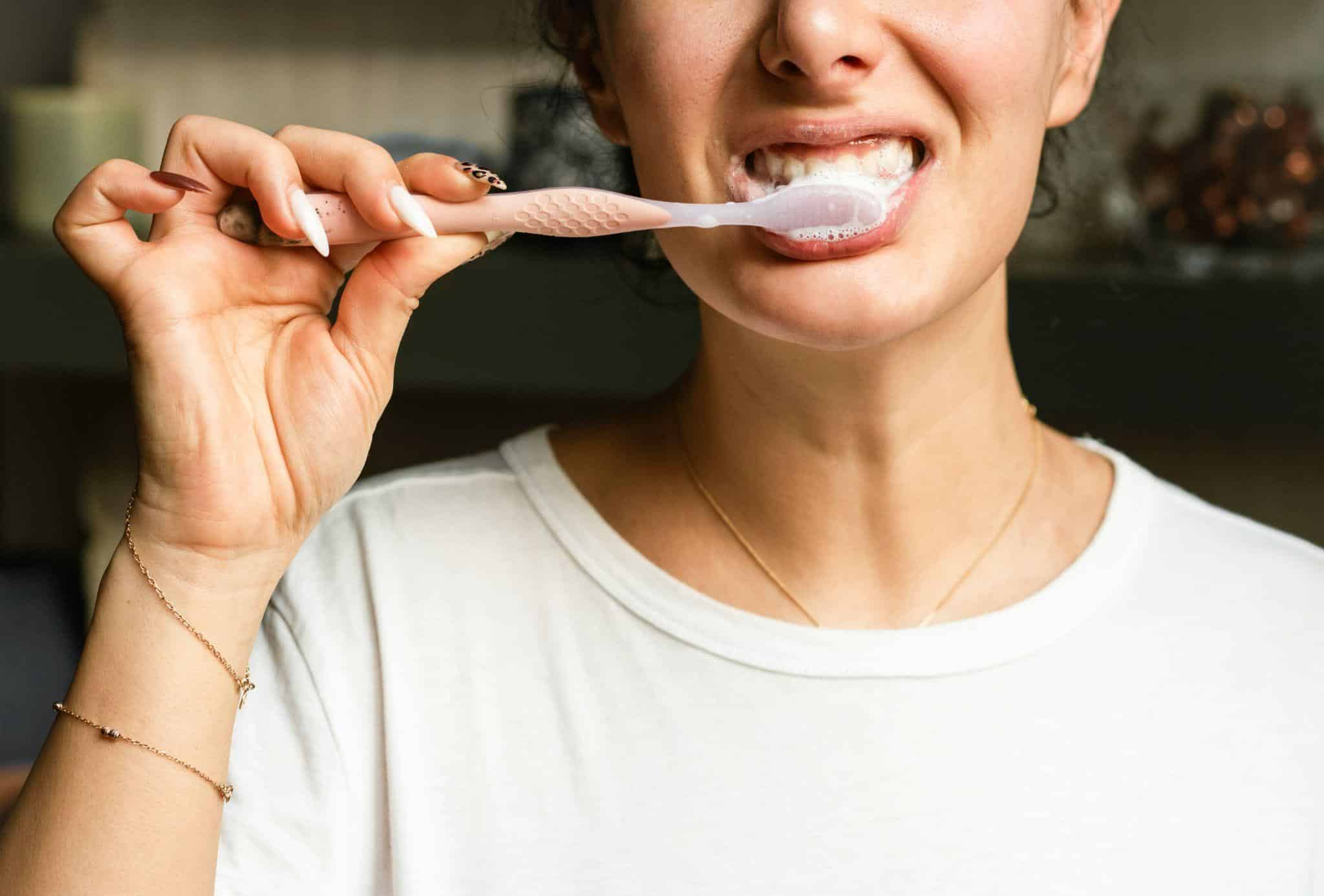
The impact of oral health isn’t limited to physical outcomes. Oral discomfort, bad breath, or visible dental issues can affect confidence and social comfort. These concerns may lead people to avoid smiling, speaking freely, or engaging in social interactions.
By maintaining oral health through daily care, people often experience subtle improvements in self-confidence and overall comfort. Feeling good about one’s health routines can reinforce other positive habits, creating a cycle of improved well-being.
Mental and emotional health are closely tied to how we feel in our own bodies, and oral comfort plays a role in that equation.
Preventive Care as a Lifestyle Habit
Modern health conversations increasingly emphasize prevention over treatment. Daily oral care fits squarely into this mindset. It is a low-effort, high-impact habit that supports health quietly over time.
Preventive habits are most effective when they are simple and repeatable. Oral care routines that fit naturally into morning and evening schedules are more likely to be maintained, reducing reliance on reactive treatments later.
This preventive approach aligns with broader wellness strategies that focus on small, sustainable actions rather than drastic interventions.
Rethinking Oral Care’s Importance
Seeing oral care as a core component of overall health reframes its importance. It’s no longer just about avoiding cavities or dental visits. It’s about supporting systemic health, reducing inflammation, and maintaining balance within the body.
As awareness grows, oral care is increasingly viewed alongside other daily health habits like sleep, movement, and nutrition. Each may seem minor in isolation, but together they shape long-term outcomes.
A Small Habit With Wide Impact
Daily oral care may feel routine, but its influence reaches far beyond the bathroom mirror. By supporting gum health, managing bacteria, and reducing inflammation, consistent oral hygiene contributes to broader physical and mental well-being.
When people recognize oral care as part of their overall health strategy, it becomes easier to prioritize and maintain. In the long run, these small, daily actions can play a meaningful role in supporting a healthier, more resilient body.