

For many years, most urban commuters relied on cars, buses, trains, or traditional bicycles for daily transportation. Today, however, commuting habits are changing rapidly, especially among younger consumers.
More people are choosing electric bikes as their primary way to travel around the city. In many urban areas, electric commuting is no longer considered a niche trend. It is becoming part of the modern city lifestyle.
- Faster and More Predictable Urban Travel
- Electric Assistance Makes Riding Easier
- Younger Consumers Care More About Sustainability
- Modern Battery Range Meets Daily Needs
- Young Riders Are Rediscovering the Joy of Cycling
- Smart Technology Is Improving Convenience
- Electric Commuting May Shape the Future of Cities
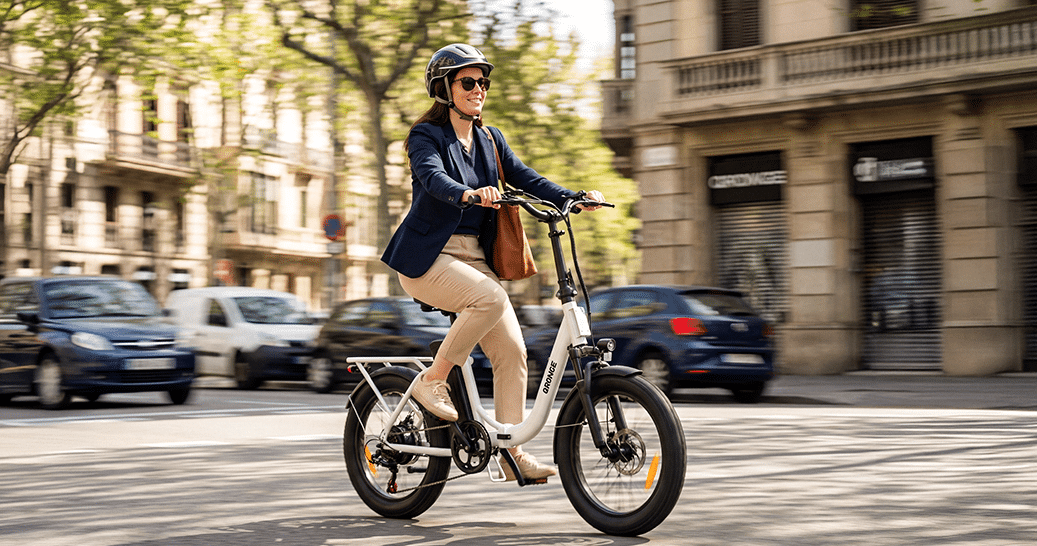
The reason behind this shift is simple: commuter electric bikes combine speed, convenience, environmental benefits, and practical daily performance in ways traditional transportation often cannot.
Faster and More Predictable Urban Travel
One of the biggest frustrations for young professionals is traffic congestion.
In crowded cities, short-distance driving can sometimes take longer than expected because of traffic lights, parking issues, and rush-hour congestion. Electric bicycles offer a more flexible alternative.
Modern ebikes can move efficiently through dense urban streets while avoiding many of the delays faced by cars.
For many riders, the biggest advantage is not necessarily maximum speed, but predictable travel time. Instead of sitting in traffic every morning, riders can maintain a more stable commuting schedule.
This reliability is becoming increasingly valuable for younger workers with busy daily routines.
Electric Assistance Makes Riding Easier
Traditional bicycles are environmentally friendly, but long rides or uphill roads can become physically exhausting, especially for daily commuting.
Electric assistance systems solve this problem.
Most commuter electric bikes automatically provide motor support based on pedal input, allowing riders to travel longer distances with much less physical effort.
This becomes especially useful on hills, bridges, or windy urban roads.
Many commuters appreciate arriving at work without feeling exhausted before the day even begins.
At the same time, electric assistance feels smooth and controlled, making commuter bikes more comfortable and practical for city riding compared with more aggressive motorized vehicles.
Younger Consumers Care More About Sustainability
Environmental awareness is becoming increasingly important among younger generations.
Compared with gasoline-powered cars, electric bicycles consume far less energy and produce no direct emissions during use. Because of this, many urban consumers now see electric commuting as part of a more sustainable lifestyle.
Electric bikes also require less urban space than cars, helping reduce parking pressure and overall traffic congestion in crowded cities.
Some newer brands, including Qronge, are focusing heavily on lightweight urban mobility and eco-friendly commuting solutions designed specifically for modern city riders.
This reflects how electric cycling is gradually becoming connected with broader environmental values.
Modern Battery Range Meets Daily Needs
Several years ago, battery anxiety was one of the biggest concerns preventing consumers from adopting electric bicycles.
Today, battery technology has improved significantly.
Most commuter electric bikes can now easily support daily urban travel distances. For average city commuters, modern battery systems are more than capable of handling regular transportation needs.
Many riders only need to recharge their bikes a few times per week, depending on commuting distance and riding style.
Improved battery management systems have also made energy usage more stable and predictable.
This reliability has become one of the main reasons electric commuting continues to grow worldwide.
Young Riders Are Rediscovering the Joy of Cycling
Interestingly, many people are not choosing electric bikes only because they are practical.
A growing number of young riders genuinely enjoy the riding experience itself.
Compared with sitting inside crowded cars or public transportation, electric cycling allows riders to interact directly with the city environment. Fresh air, open movement, and a greater sense of freedom all contribute to a more enjoyable commute.
Electric bikes also provide light daily exercise, which many office workers appreciate after spending long hours sitting indoors.
Because of this, electric cycling is increasingly viewed as both transportation and lifestyle.
Many riders continue using their commuter bikes during weekends for cafés, city exploration, and short recreational rides.
Smart Technology Is Improving Convenience
Modern commuter electric bikes are becoming increasingly advanced technologically.
Features such as smartphone connectivity, GPS tracking, anti-theft systems, and digital battery monitoring are now common in many urban-focused models.
These smart functions make daily commuting more convenient and secure.
Riders can monitor battery levels in real time, track routes, and remotely lock their bikes using mobile apps.
As a result, many consumers choosing commuter ebikes now pay just as much attention to technology and user experience as they do to speed or battery range.
Electric Commuting May Shape the Future of Cities
The growth of commuter electric bikes represents more than just a transportation trend.
It reflects changing attitudes toward urban living, sustainability, and personal mobility.
Young consumers increasingly value transportation that is efficient, environmentally friendly, flexible, and connected to healthier lifestyles.
Electric bikes fit naturally into all of those expectations.
As battery systems, smart technology, and cycling infrastructure continue improving, commuter electric bikes will likely become an even more important part of future urban transportation around the world.