

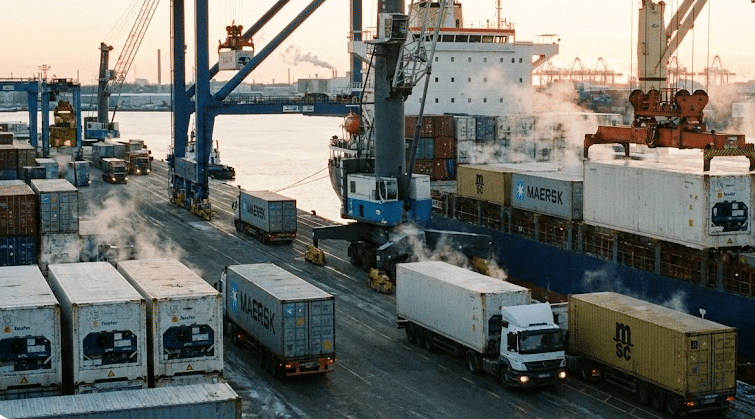
In today’s global supply chain, temperature control is no longer optional, it is a core operational requirement. Businesses dealing with food, pharmaceuticals, chemicals, or biological products must ensure strict thermal stability at every stage of storage and transportation. This is where reliable refrigerated storage containers play a critical role. Designed to maintain precise temperature ranges regardless of external conditions, these units help companies meet regulatory requirements, reduce spoilage, and protect product integrity.
Understanding the Cold Chain and Its Challenges
The cold chain refers to a temperature-controlled supply network that preserves perishable goods from production to final delivery. Even minor temperature deviations can lead to product degradation, financial losses, and compliance issues. Traditional cold storage facilities often lack flexibility and require significant capital investment, making them impractical for growing or seasonal businesses.
Common challenges in cold chain management include temperature fluctuations, limited storage capacity during peak demand, high-energy costs, and strict compliance requirements. Refrigerated containers address these issues by providing mobile, self-contained cold storage that can be deployed exactly where and when it is needed.
What Are Refrigerated Containers?
Refrigerated containers, often referred to as reefers, are insulated steel units equipped with integrated cooling systems. Unlike standard containers, reefers actively control internal temperatures, typically ranging from -30°C to +30°C (-22°F to +86°F). This versatility allows them to store frozen, chilled, or temperature-sensitive goods with precision.
These containers are built to withstand harsh environments, making them suitable for ports, warehouses, construction sites, and remote locations. Their standardized dimensions also allow for easy transportation by truck, rail, or ship, ensuring seamless integration into existing logistics networks.
Temperature Precision and Product Safety
One of the most important advantages of refrigerated containers is their ability to maintain consistent temperatures over extended periods. Advanced digital controllers allow operators to set and monitor exact temperature parameters, reducing the risk of spoilage or contamination.
For industries such as pharmaceuticals and biotechnology, even small temperature deviations can render products unusable. Refrigerated containers help maintain compliance with Good Distribution Practice (GDP) and other regulatory standards by providing stable, monitored environments. Continuous temperature logging also simplifies audits and quality assurance processes.
Flexibility for Growing and Seasonal Businesses
Cold chain demand is rarely static. Many industries experience fluctuations driven by seasonality, market trends, or unforeseen disruptions. Investing in permanent cold storage to manage temporary demand increases often leads to unnecessary costs. Refrigerated containers provide a far more adaptable solution.
Key flexibility benefits include:
- Easy scaling up or down based on current storage needs
- No long-term construction or infrastructure commitments
- Rapid deployment during peak seasons or unexpected surges
- Cost-efficient support for short-term or trial operations
This level of scalability is especially beneficial for:
- Food processing companies
- Seafood and meat distributors
- Agricultural producers with harvest-driven demand cycles
Mobility and On-Site Storage Advantages
Unlike traditional cold rooms, refrigerated containers are mobile units that can be positioned exactly where cold storage is needed. Placing storage closer to operations reduces logistical complexity and helps preserve product quality.
On-site placement offers several advantages:
- Fewer handling steps during loading and unloading
- Reduced risk of temperature fluctuations during transfers
- Faster access to stored products
- Improved workflow efficiency across production and distribution
Refrigerated containers are particularly useful for:
- Temporary or pop-up facilities
- Large-scale events and catering operations
- Construction sites and remote locations
- Emergency response and disaster relief situations
Once delivered, the unit becomes operational as soon as it is connected to a power source, no construction or lengthy setup is required.
Energy Efficiency and Cost Control
Modern refrigerated containers are engineered to balance performance with energy efficiency. Advanced insulation materials, controlled airflow systems, and high-efficiency compressors allow them to maintain stable temperatures while minimizing power consumption.
Energy and cost advantages include:
- Lower electricity usage compared to outdated cold storage solutions
- Consistent thermal performance even in extreme climates
- Reduced spoilage and product loss
- Optimized efficiency for short-term or targeted storage needs
From a financial perspective, refrigerated containers also offer flexible cost management:
- Pay-as-you-use options through rental or leasing
- Reduced capital expenditure compared to permanent facilities
- Better budget control during seasonal demand shifts
By avoiding heavy upfront investments, businesses can focus resources on core operations while still maintaining reliable cold chain performance.
Compliance with Industry Regulations
Cold chain businesses operate under strict regulatory frameworks, particularly in food safety and pharmaceuticals. Failure to comply can result in fines, product recalls, and reputational damage. Refrigerated containers help businesses meet these standards by offering controlled environments that support regulatory compliance.
Many units include alarm systems, remote monitoring, and data logging features that provide real-time visibility into temperature conditions. This transparency not only improves operational control but also builds trust with partners, regulators, and customers.
Supporting Sustainability Goals
Sustainability is becoming an increasingly important consideration in logistics and supply chain management. By reducing spoilage and waste, refrigerated containers contribute directly to more sustainable operations. Some modern units are compatible with energy-efficient power sources and can be integrated into greener logistics strategies.
Reusing and repurposing containers for cold storage also reduces the environmental impact associated with constructing new facilities. This makes refrigerated containers an attractive option for businesses aiming to balance operational efficiency with environmental responsibility.
Applications Across Multiple Industries
Refrigerated containers are used across a wide range of sectors. In the food industry, they store fresh produce, dairy, meat, and frozen goods. In healthcare, they protect vaccines, medical supplies, and laboratory samples. Chemical companies rely on reefers to stabilize temperature-sensitive materials, while florists and event organizers use them to preserve flowers and catering products.
This cross-industry applicability highlights the versatility of refrigerated containers and explains why they have become a cornerstone of modern cold chain logistics.
Choosing the Right Refrigerated Container Solution
Selecting the right refrigerated container depends on several factors, including temperature requirements, storage duration, available space, and budget. Businesses must also consider whether purchasing or renting is the best option for their specific needs.
Rental solutions are ideal for short-term projects, seasonal demand, or testing new markets, while purchasing may be more economical for long-term, consistent use. Understanding these options helps businesses optimize both performance and cost.
A Strategic Asset for Cold Chain Success
Refrigerated containers are no longer just a supplementary storage option, they are a strategic asset for cold chain businesses. By offering precise temperature control, operational flexibility, regulatory compliance, and cost efficiency, they address many of the most pressing challenges in temperature-sensitive logistics.
As cold chain requirements continue to grow in complexity, businesses that invest in adaptable, high-performance storage solutions will be better positioned for long-term success. For companies considering temporary or scalable cold storage, understanding pricing and cost-saving strategies is essential. Also, it may be a helpful topic about
refrigerated container rental price and what to expect and how to save https://whatutalkingboutwillis.com/refrigerated-container-rental-price-what-to-expect-and-how-to-save/. By making informed decisions and leveraging the advantages of refrigerated containers, cold chain businesses can protect their products, strengthen their operations, and remain competitive in an increasingly demanding market.