

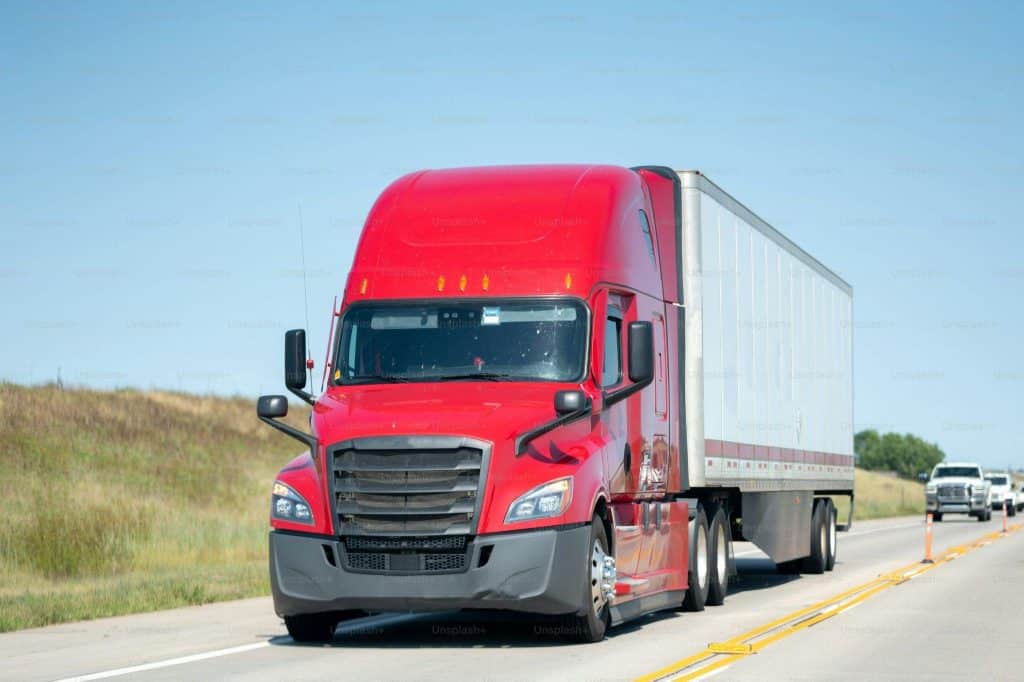
The Federal Motor Carrier Safety Administration (FMCSA) recently announced pilot programs that could give truck drivers more flexibility with their hours of service (HOS). These programs would allow truckers to either pause their 14-hour driving window or split their required rest time in different ways. While the goal is to reduce driver fatigue and improve efficiency, any change to trucking rules also raises important questions about safety, especially for those in passenger vehicles.
What Are Hours of Service (HOS) Rules?
Hours of Service, often called HOS, are federal regulations that limit how long truck drivers can be on duty and when they must rest. The goal is to prevent fatigued driving and keep the roads safer. Under current rules, a driver cannot work beyond 14 hours in a single shift and must take at least 10 hours off. That rest period can be split into two parts, but only in limited ways.
The two major HOS changes being proposed are:
- Pause the 14-hour driving limit: Drivers could stop the clock for up to three hours, such as during long wait times at loading docks or to avoid traffic.
- More flexible rest breaks: Drivers could split their required 10 hours of rest into different patterns, like 6/4 or 5/5 hours, instead of the current limited options.
How Will the Pilot Programs Be Tested?
A total of 512 truckers will be split between the two programs. Each trucker participates for four months, with baseline data being collected in the first month. The overall study is scheduled to last nearly three years.
Only carriers with strong safety records can participate. Companies with recent crashes, enforcement actions, or poor safety ratings are excluded. Drivers in the program will use smartphones and other monitoring devices so researchers can track fatigue, alertness, and rest cycles. Data will also come from logging devices, cameras, inspections, and surveys.
To keep the process transparent, the FMCSA will share the names of participating trucking companies publicly, but individual driver information remains private throughout. Large fleets and independent owner-operators are expected to apply for a spot in the study.
How Could This Change Impact Those in Passenger Vehicles?
Semi-trucks can weigh up to 80,000 pounds, and any truck accident has the potential to cause catastrophic injuries or even fatalities. For drivers in cars, SUVs, and motorcycles, the stakes are incredibly high.
The FMCSA believes these changes may allow drivers to rest more strategically, which could reduce fatigue-related crashes. For example, a driver stuck at a crowded port could pause their clock, rest, and then continue later without being penalized.
But there are risks. Breaking sleep into multiple shorter segments does not always leave people feeling fully rested. Some opponents argue that flexible rules might actually increase fatigue instead of reducing it.
Why Is Legal Help Important After a Truck Accident?
Rule changes like these highlight the complexity of truck safety. Whether these regulations help or not, one fact is certain: commercial truck accidents can cause life-changing injuries.
“When someone is seriously injured in a truck accident, the aftermath can be overwhelming,” says attorney J.J. Dominguez of The Dominguez Firm. “Trucking companies and their insurers move quickly to protect themselves. That is why it is so important for injury victims to immediately call an experienced truck accident attorney who can fight for their rights and the compensation they need to recover properly.”
Staying Safe Around Large Trucks
Passenger vehicle drivers cannot control federal trucking regulations, but they can take practical steps to reduce their own risks:
- Keep a safe following distance
- Stay out of blind spots
- Give trucks extra space to turn or change lanes
These are all small actions that can make a big difference.
Even with precautions, truck accidents do happen, especially when fatigue or long hours are a factor. Understanding the ongoing debate about hours of service rules helps drivers stay aware of the challenges truckers face and why vigilance on the road is vital.