

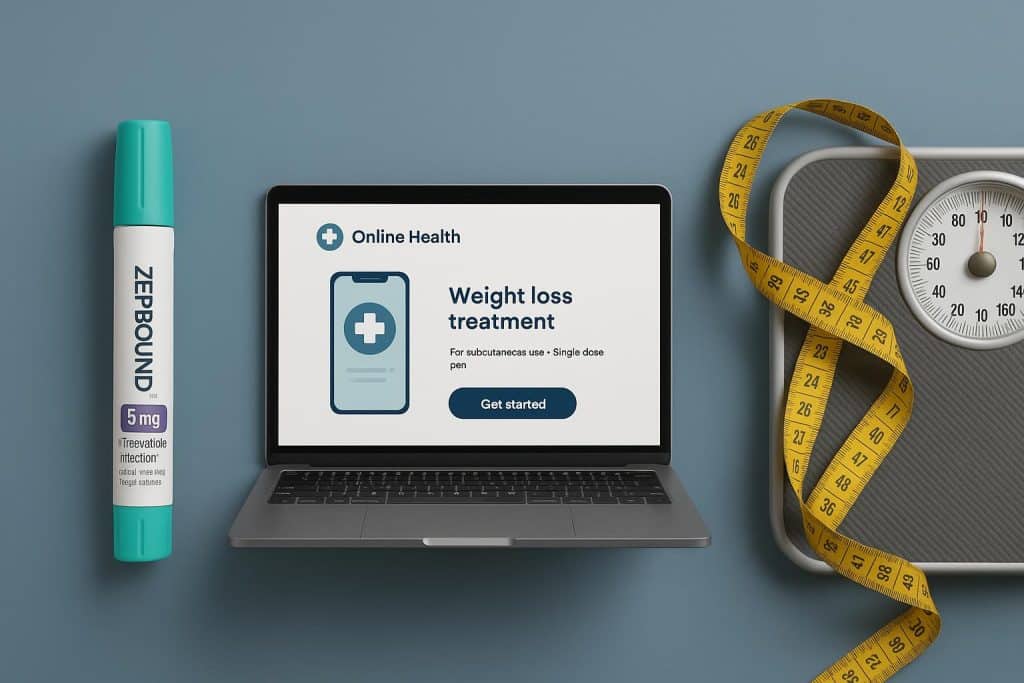
Zepbound (tirzepatide) entered the US market on November 8, 2023, when the FDA approved it as the first and only obesity treatment to simultaneously activate both GIP (glucose-dependent insulinotropic polypeptide) and GLP-1 hormone receptors. Since that approval, Zepbound has become one of the most prescribed weight management medications in the country, with access increasingly facilitated through telehealth platforms rather than traditional in-person clinical settings. Understanding what Zepbound is, what the clinical data shows, and how online programs structure access to it is the purpose of this article.
The Mechanism That Distinguishes Zepbound
Most GLP-1 receptor agonists approved for weight management — including semaglutide — target a single receptor pathway. Zepbound’s active ingredient, tirzepatide, simultaneously activates both the GLP-1 receptor and the GIP receptor. GIP (glucose-dependent insulinotropic polypeptide) is a gut-derived hormone that plays roles in fat cell metabolism, insulin sensitization, and energy storage. The dual agonism appears to produce synergistic effects on appetite regulation and adipose tissue metabolism that translate into greater weight reduction than single-receptor GLP-1 agents achieve in comparative trials.
This mechanistic distinction was the theoretical basis for expecting superior efficacy, and the SURMOUNT clinical trial program — which generated the FDA approval data for Zepbound — confirmed that expectation with results that exceeded any previously reported pharmacological weight loss outcomes at the time of publication.
What the SURMOUNT Trials Established
SURMOUNT-1: Primary Efficacy Data
The SURMOUNT-1 trial, published in the New England Journal of Medicine in 2022, enrolled 2,539 adults with obesity or overweight with at least one weight-related comorbidity but without type 2 diabetes. Participants were randomized to tirzepatide at 5 mg, 10 mg, or 15 mg weekly or placebo for 72 weeks, alongside a reduced-calorie diet and physical activity guidance. Mean percentage changes in body weight at week 72 were -15.0% (5 mg), -19.5% (10 mg), and approximately -20.9% (15 mg), compared with -3.1% with placebo. At the 15 mg dose, 91% of participants achieved at least 5% weight loss, 57% achieved at least 20%, and a meaningful proportion achieved 25% or greater — outcomes with no historical parallel in pharmacological weight management.
SURMOUNT-2: Evidence in Type 2 Diabetes
SURMOUNT-2 evaluated tirzepatide in adults with obesity and type 2 diabetes. At the 15 mg dose, participants experienced average weight reductions of approximately 15.7% (34.4 pounds), compared with modest reductions in the placebo group. These results supported an expanded understanding of tirzepatide’s utility across metabolic phenotypes.
SURMOUNT-4: Long-Term Maintenance
SURMOUNT-4, published in JAMA in 2024, examined what happens when tirzepatide treatment is continued versus discontinued after initial weight loss. Participants who continued tirzepatide through both a 36-week lead-in and a 52-week extension achieved a mean total weight loss of 25.8% from baseline. Those who were switched to placebo after the lead-in period experienced significant weight regain, underscoring that obesity requires ongoing management and that the benefits of tirzepatide are substantially maintained only with continued treatment.
SURMOUNT-5: Head-to-Head with Semaglutide
Published in the New England Journal of Medicine in 2025, the SURMOUNT-5 trial was the first randomized head-to-head comparison of tirzepatide and semaglutide in adults with obesity without diabetes (n=751, 72 weeks). Tirzepatide produced a mean weight reduction of 20.2% versus 13.7% for semaglutide (p<0.001). Participants receiving tirzepatide were significantly more likely to achieve each prespecified weight loss threshold (10%, 15%, 20%, 25% or greater). Waist circumference reduction also favored tirzepatide (18.4 cm vs 13.0 cm). Safety profiles were broadly comparable between groups.
FDA-Approved Indications for Zepbound
As of the time of writing, Zepbound carries two FDA-approved indications. The primary indication — approved November 2023 — is for chronic weight management in adults with obesity (BMI ≥30 kg/m²) or adults who are overweight (BMI ≥27 kg/m²) with at least one weight-related medical condition, used in conjunction with a reduced-calorie diet and increased physical activity. A second indication was subsequently approved for moderate-to-severe obstructive sleep apnea in adults with obesity, making Zepbound the first pharmacological treatment approved for that specific combination of conditions.
Zepbound is available in six dose strengths: 2.5 mg, 5 mg, 7.5 mg, 10 mg, 12.5 mg, and 15 mg, administered once weekly by subcutaneous injection. A monthly auto-injector (KwikPen) option received FDA approval as an additional delivery format, expanding the administration options for patients.
How Online Programs Facilitate Zepbound Access
Telehealth platforms offering Zepbound typically follow a structured process aligned with FDA prescribing guidelines. An online intake collects medical history, current medications, and BMI-related information. A licensed prescriber reviews this information to determine clinical eligibility — the same BMI thresholds and comorbidity criteria that apply in traditional clinical settings. Where appropriate, a prescription is issued and transmitted to a licensed US pharmacy for dispensing with home delivery.
The dose escalation schedule for Zepbound requires clinical management: the medication is initiated at 2.5 mg weekly for four weeks, then increased in 2.5 mg increments at four-week intervals until the maximum tolerated maintenance dose (typically 10 mg or 15 mg) is reached. This titration process requires ongoing provider engagement — programs that prescribe a full supply at a single dose without titration management fall short of the standard of care outlined in the prescribing information.
Among platforms offering physician-supervised GLP-1 weight management, the TrimRx online program structures its services around licensed provider consultations, individualized treatment plans, and home medication delivery — a model that incorporates the ongoing clinical contact that tirzepatide’s dose escalation requirements demand.
Zepbound vs. Mounjaro: Understanding the Distinction
A common source of confusion is the relationship between Zepbound and Mounjaro, both of which contain tirzepatide. Mounjaro was FDA-approved in May 2022 for the management of type 2 diabetes. Zepbound was subsequently approved for chronic weight management. Both products contain the same active ingredient at the same doses, but carry different approved indications and labeling. Off-label use of Mounjaro for weight management in patients without type 2 diabetes has occurred — particularly during periods of Zepbound supply constraints — but this represents use outside the approved indication. Clinicians and patients should understand this distinction when discussing treatment options.
Practical Considerations for Online Zepbound Access
Cost and Coverage
Brand-name Zepbound carries a list price that can exceed $1,000 per month before insurance. Coverage varies significantly by health plan, employer benefits, and state. Some individuals have accessed tirzepatide through telehealth-facilitated prescriptions for compounded tirzepatide, though as with semaglutide, the regulatory landscape for compounded GIP/GLP-1 medications has changed since the FDA’s shortage resolution, and individuals should verify the current legal status of compounded tirzepatide in their jurisdiction.
Storage and Injection Handling
Zepbound autoinjector pens require refrigerated storage (36°F to 46°F) and should not be frozen. They can be kept at room temperature for up to 21 days if refrigeration is temporarily unavailable. Online programs should provide clear guidance on storage, injection technique, and what to do if a dose is missed. The self-injection process involves subcutaneous administration in the abdomen, thigh, or upper arm.
Safety Profile
The most commonly reported adverse events with tirzepatide in the SURMOUNT trials were gastrointestinal: nausea, diarrhea, vomiting, and constipation, occurring primarily during dose escalation and generally mild to moderate in severity. Contraindications include a personal or family history of medullary thyroid carcinoma or multiple endocrine neoplasia syndrome type 2 (MEN 2). A boxed warning regarding thyroid C-cell tumors observed in rodent studies is included in the prescribing information, though a causal relationship in humans has not been established.
Individuals considering Zepbound through online or telehealth channels may wish to consult a qualified healthcare provider to evaluate their individual clinical appropriateness for tirzepatide-based treatment, taking into account their full medical history, comorbidities, and current medication list.
The Broader Context: Why Online Access Matters
Researchers estimate that more than 137 million US adults may be clinically eligible for semaglutide alone — with comparable numbers relevant for tirzepatide — based on criteria for obesity, diabetes, or cardiovascular prevention. In-person obesity medicine specialists are unevenly distributed geographically, with major concentrations in urban centers and significant gaps in rural and suburban areas. Telehealth access to medications like Zepbound has the potential to address this geographic inequity, though the quality of clinical oversight provided through digital channels varies considerably between platforms.
Approximately 7% of US adults — around 18 million people — were estimated to be using GLP-1 medications as of 2024, a figure that reflects the rapid uptake of this drug class and the central role that telehealth has played in expanding access beyond traditional healthcare channels.
Zepbound Tirzepatide for Weight Loss: Clinical Results
Zepbound tirzepatide is the brand name for tirzepatide approved for chronic weight management. Clinical trials show zepbound tirzepatide delivers an average of 20-22% body weight reduction over 72 weeks — more than any other weight loss medication currently available. The reason zepbound tirzepatide outperforms older weight loss medications is its dual GIP and GLP-1 receptor agonism, which addresses both appetite and metabolic efficiency. Among all prescription weight loss medications, zepbound tirzepatide has the most evidence for sustained weight loss in patients with weight related medical problems.
When comparing zepbound tirzepatide to other weight loss medications like semaglutide, patients using zepbound tirzepatide lost significantly more body weight in head-to-head trials. Zepbound tirzepatide is prescribed for adults with a BMI of 30 or above, or 27 with at least one weight related medical condition. Zepbound tirzepatide is also being studied for obstructive sleep apnea osa, with trials showing meaningful reductions in apnea events alongside weight loss. Your healthcare provider can determine if zepbound tirzepatide is appropriate for your weight loss journey.
How to Get a Zepbound Prescription Online
Getting a zepbound prescription online is increasingly straightforward through licensed telehealth providers. A zepbound prescription online process typically involves: completing a health questionnaire, a video consultation with a healthcare provider, lab review if needed, and electronic prescribing to your pharmacy. Most zepbound prescription online platforms verify BMI and screen for contraindications before a healthcare provider will prescribe zepbound. Once your healthcare provider issues the zepbound prescription, the single dose pen or single dose vial can be shipped directly to your home.
To prescribe zepbound via telehealth, a healthcare provider must confirm you meet FDA eligibility criteria. Your healthcare provider will prescribe zepbound at the starting dose of 2.5 mg weekly, titrating up over time. The starting dose approach ensures tolerability. After your healthcare provider will prescribe zepbound and issue the script, you can fill it at retail pharmacies or specialty providers. Your healthcare provider will also review whether to use the single dose pen or single dose vial based on your dose schedule and preference.
Zepbound Insurance Coverage and Cash Pay Options
Zepbound insurance coverage varies significantly across commercial plans. Many commercial insurance plans cover Zepbound when prescribed for chronic weight management, but prior authorization is typically required. To get insurance coverage for Zepbound, your healthcare provider must document your BMI, comorbidities, and prior weight loss attempts. Insurance coverage approval can take 2-4 weeks, during which your healthcare provider can explore cash pay alternatives to start treatment.
For patients without insurance coverage, cash pay programs make Zepbound more accessible. Eli Lilly offers a cash pay savings card that reduces monthly costs significantly. The cash pay option is especially useful for patients whose insurance coverage is pending or denied. Many healthcare providers recommend the cash pay savings program while appealing insurance coverage decisions. The cash pay price varies by dose — the starting dose cash pay cost is typically lower than higher maintenance doses. Your healthcare provider can provide detailed cash pay and insurance coverage information at your consultation.
Zepbound Dosing: Single Dose Pen and Vial Guide
Zepbound is available in both a single dose pen and a single dose vial format. The single dose pen is the most common delivery method and comes pre-filled at your prescribed dose. The single dose vial requires a separate syringe for administration. Most patients prefer the single dose pen for its convenience and ease of self-injection. The single dose pen auto-injects subcutaneously, typically in the abdomen, thigh, or upper arm. Your healthcare provider will advise on whether the single dose pen or single dose vial is right for your treatment plan.
Weight Loss Goals and Body Weight Targets
Setting realistic body weight targets is essential to a successful weight loss program. Most patients aim for 10-20% body weight reduction as an initial goal, which delivers meaningful improvements in metabolic health. With Zepbound, body weight reduction of 20%+ is achievable for many patients over 72 weeks. Your healthcare provider will track your body weight at follow-up visits and adjust your weight loss plan accordingly. Losing 5-10% of body weight can already reduce the risk of serious weight related medical problems, including type 2 diabetes, high blood pressure, and obstructive sleep apnea osa.
Weight loss milestones should be celebrated but realistic. Total body weight loss of 15-20% with Zepbound is well-documented in clinical data. This level of weight loss translates to significant reductions in cardiovascular risk, improvements in joint health, and remission of conditions like obstructive sleep apnea. As you progress through your weight loss journey, regular monitoring with a healthcare provider ensures you stay on track and your treatment plan is optimized. Sustainable weight loss requires continued support, reduced calorie diet adherence, and consistent medication use as directed.
Healthcare Provider Support Throughout Your Treatment
A dedicated healthcare provider is your most important resource during Zepbound treatment. Your healthcare provider will conduct the initial evaluation, review your medical history for contraindications such as thyroid cancer history or thyroid tumors risk, confirm you have no personal or family history of medullary thyroid carcinoma, and determine your starting dose. Ongoing healthcare provider visits track weight loss progress, monitor side effects, and adjust the treatment plan. Many healthcare provider consultations are now available via telehealth, making it easier to access a zepbound prescription online without traveling.
Your healthcare provider can also help coordinate insurance coverage and prescription medication access. If your commercial insurance plan denies coverage, your healthcare provider can submit an appeal with clinical documentation supporting your weight loss treatment. A knowledgeable healthcare provider will also discuss other weight loss medications and why zepbound tirzepatide may be preferred for your specific case. Whether you use cash pay or have full insurance coverage, having a supportive healthcare provider ensures you get the most from your weight loss program.
Conclusion
Zepbound represents the highest-efficacy FDA-approved pharmacological option for weight management currently available, with clinical trial data demonstrating mean weight reductions exceeding 20% at the highest dose and superiority over semaglutide in the head-to-head SURMOUNT-5 trial. Online access through telehealth platforms has expanded availability significantly, though the quality of clinical oversight — particularly around dose titration management and ongoing monitoring — varies among providers. Individuals exploring Zepbound-based weight management through online channels may wish to engage with a qualified healthcare provider to determine whether this treatment is appropriate for their clinical situation and to ensure they are receiving the standard of care that tirzepatide’s prescribing requirements demand.