

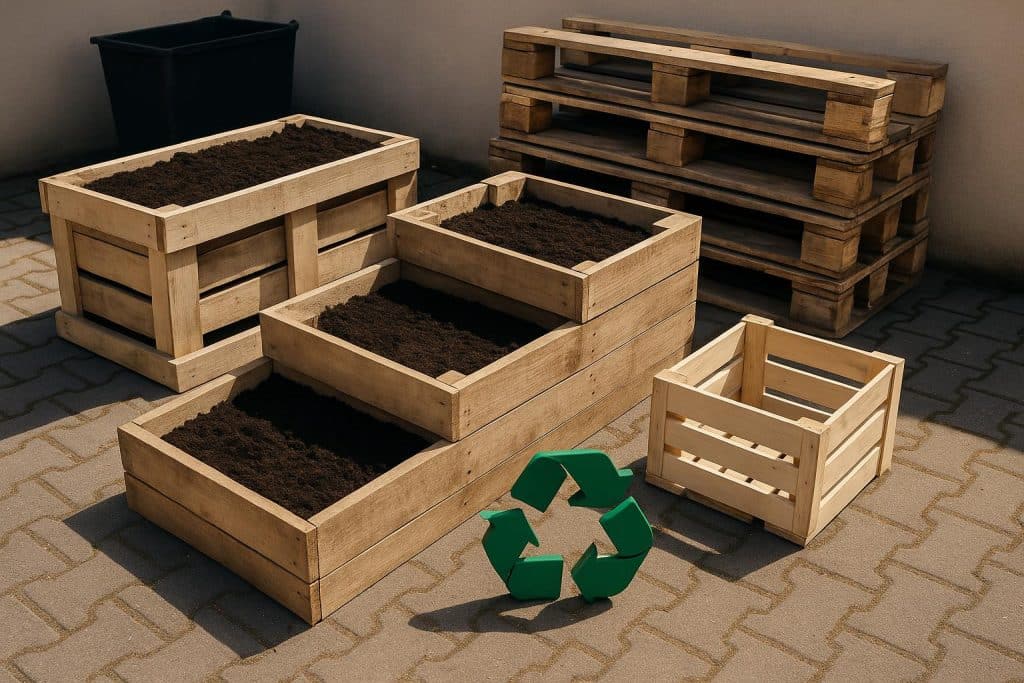
Old wooden pallets are everywhere—behind warehouses, near construction sites, and often stacked up after deliveries. While many people see them as waste, pallets are actually a valuable reusable resource when handled the right way.
Recycling pallets helps reduce landfill waste, saves natural resources, and can even open the door to creative or profitable projects. If you have access to used pallets and want to deal with them responsibly, these practical tips will guide you step by step.
Early in the process, it helps to understand where pallets come from and how they move through reuse markets such as Verdetrader.com, which connects buyers and sellers of reusable materials and encourages responsible recycling practices.
Below are ten effective tips to recycle old pallets safely, efficiently, and sustainably.
1. Inspect Pallets for Damage First
Before recycling or reusing a pallet, inspect it carefully. Look for broken boards, protruding nails, water damage, mold, or signs of rot. Pallets that are heavily damaged may not be suitable for reuse projects but can still be dismantled for wood recycling. Separating reusable pallets from scrap wood saves time and improves recycling outcomes.
2. Check for Treatment Stamps
Many pallets are stamped with markings that indicate how they were treated. Heat-treated pallets are generally safe to reuse, while chemically treated pallets may contain harmful substances. Avoid recycling pallets with unknown chemical treatments for home or garden projects. Knowing this helps you decide whether to reuse, recycle, or discard them responsibly.
3. Remove Nails and Metal Fasteners
Old pallets often contain rusted nails, staples, and metal plates. Before recycling the wood, remove as much metal as possible. This makes the wood safer to handle and easier to process at recycling facilities. Collected metal fasteners can usually be recycled separately, reducing overall waste.
4. Dismantle Pallets Carefully
If you plan to recycle pallets into lumber or smaller wood pieces, dismantle them with care. Using proper tools helps prevent excessive cracking or splitting. Clean, intact boards are more valuable and can be reused for furniture, fencing, or crafts. Careful dismantling also reduces injury risks.
5. Sort Pallets by Condition
Sorting pallets into categories—reusable, repairable, and scrap—makes recycling more efficient. Reusable pallets can be resold or donated, repairable ones can be fixed, and scrap pallets can be broken down for wood recycling. This simple sorting step improves organization and prevents usable pallets from being thrown away.
6. Repurpose Before Recycling
One of the best recycling tips is to reuse pallets before breaking them down. Pallets can be turned into storage racks, compost bins, raised garden beds, or shipping platforms. Reusing pallets extends their life cycle and reduces the need for new materials. Even basic reuse makes a positive environmental impact.
7. Keep Pallets Clean and Dry
Moisture and contamination reduce the recyclability of wood pallets. Store pallets off the ground and away from standing water. Avoid exposure to chemicals, oil, or food waste. Clean, dry pallets are easier to recycle and are more accepted by recycling centers and reuse markets.
8. Partner With Local Recycling Facilities
Not all recycling centers accept pallets, so it’s important to contact local facilities beforehand. Some centers specialize in wood recycling and pallet processing. Building a relationship with these facilities can help you recycle pallets consistently instead of letting them pile up or go to waste.
9. Sell or Donate Usable Pallets
If pallets are still in good shape, consider selling or donating them instead of recycling them as scrap. Many businesses and individuals need used pallets for shipping, storage, or projects. Selling pallets offsets disposal costs, while donating them supports community reuse and sustainability efforts.
10. Reduce Future Pallet Waste
Recycling doesn’t stop with disposal. Reducing future pallet waste is just as important. Choose reusable pallet programs, return pallets when possible, and encourage suppliers to use standardized, repairable pallets. Small changes in how pallets are handled can lead to long-term waste reduction.
Why Recycling Pallets Matters
Recycling old pallets keeps wood out of landfills and reduces the demand for new lumber. It also lowers carbon emissions associated with manufacturing and disposal. By following simple recycling practices, individuals and businesses contribute to a cleaner environment and a more sustainable supply chain.
Conclusion
Old pallets don’t have to be a disposal problem. With proper inspection, sorting, and handling, they can be reused, recycled, or repurposed in meaningful ways. These ten tips help ensure pallets are recycled safely and responsibly while maximizing their value. By making smart recycling choices, you support sustainability, reduce waste, and turn what looks like scrap into a useful resource.