

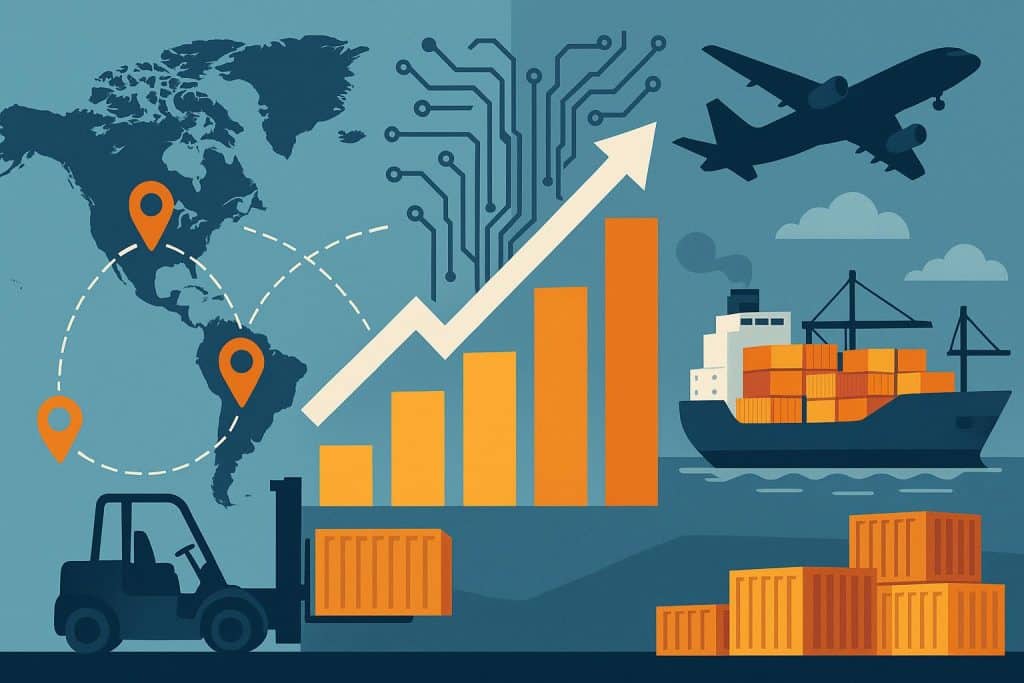
Global supply chains used to feel like something only operations managers talked about. Quiet, behind the scenes, mostly about efficiency. Today they sit on board agendas, in news headlines, and sometimes in the lives of ordinary customers who wonder why a simple product is suddenly out of stock. That shift is not accidental. It reflects how fragile and interconnected modern trade has become.
Companies are responding in interesting ways. Some are rethinking how far their goods travel. Others are rebuilding systems that once ran on guesswork. And many are realizing that thoughtful use of tools like cross border solutions can remove friction without closing the door on global growth. None of this is easy, but it is forcing a smarter conversation about how supply chains actually work.
1. Visibility that predicts, not just reports
For years, visibility meant knowing where a shipment was. Now it means seeing problems before they spread. Sensors in warehouses track temperature. GPS devices follow trucks in real time. Data platforms connect supplier performance with demand signals. When a storm slows a port, some businesses can already estimate how it will ripple through inventory weeks later.
A clothing retailer, for example, might use predictive analytics to flag a potential fabric shortage, then shift orders to a backup supplier before stores ever notice. It is still imperfect. Data quality varies. Systems rarely talk to each other as well as promised. But tools are improving, and leaders are starting to treat information like a strategic asset instead of a side report.
These ideas are developing alongside conversations about automation. Not as magic, more as a quiet assistant that helps humans make faster, calmer choices when things get messy.
2. Smarter network design, not simply moving factories
There is a lot of buzz about reshoring vs offshoring. The real trend is more nuanced. Companies are building flexible networks that blend regional hubs, near suppliers, and diversified partners. Instead of betting everything on one location, they distribute risk. That might mean assembling products closer to demand while sourcing components from several regions, just in case.
This is where border management, customs, and coordination start to matter. Crossing borders used to feel like an unavoidable headache. Integrated solutions make it more manageable, allowing businesses to shorten lead times while still accessing global capability. At the same time, research into resilience in supply chains reminds leaders that resilience is not simply about moving production home. It is about balance, redundancy, and smart partnerships.
3. Resilience and sustainability become core metrics
Cost will always matter. But boards are now asking tougher questions. How quickly could we recover from a supplier failure. What happens if a route closes. What footprint does each decision create. These questions are pushing organizations to think more holistically about risk and responsibility.
In practice, that could look like a manufacturer keeping slightly higher safety stock on critical components, while using analytics to ensure waste does not creep in. Or a consumer brand investing in supplier audits, not because it looks good in a report, but because poor labor practices genuinely threaten long term reliability.
Looking ahead, analysts writing about future predictions see this blend of resilience and sustainability growing, not fading. It may feel slower at first, yet it usually pays off when disruption inevitably hits.
A final thought for leaders
The supply chains that thrive will not be the most complex or the most expensive. They will be the ones designed with curiosity. Leaders who invest in visibility, spread risk intelligently, and measure more than just cost will likely find they sleep better at night. And customers, quietly, will just get what they ordered, on time, without ever knowing how many careful decisions made it possible.