

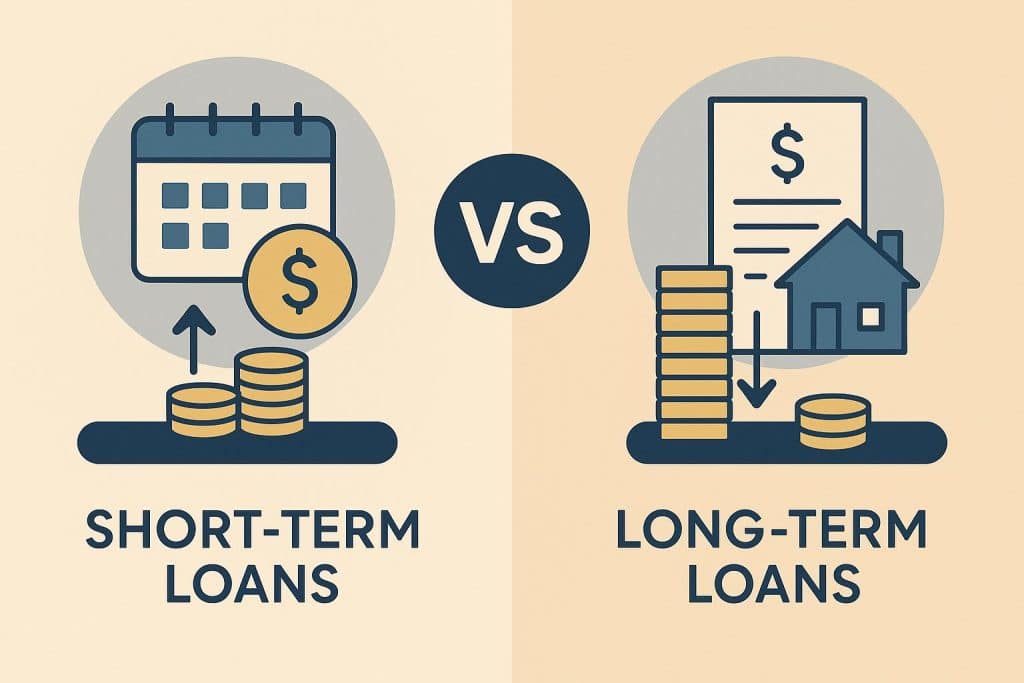
Choosing the right type of loan is an important financial decision that can have lasting effects on your cash flow, lifestyle, and overall financial health. Whether you’re covering an unexpected expense, consolidating debt, or funding a larger life goal, understanding the difference between short-term and long-term loans is essential.
In today’s flexible lending landscape, options like short term loans have become increasingly popular alongside more traditional long-term borrowing. Each serves a distinct purpose, and the right choice depends on your needs, repayment capacity, and financial priorities.
What are Short-Term Loans?
Short-term loans are designed to be repaid over a relatively brief period, typically ranging from a few weeks to up to 12 months. They are often used to manage temporary cash flow gaps or cover urgent expenses such as medical bills, car repairs, or unexpected household costs.
Key characteristics of short-term loans include:
- Faster approval and access to funds
- Smaller loan amounts
- Shorter repayment periods
- Higher repayments per instalment due to the compressed timeframe
Because the loan term is shorter, borrowers can clear the debt quickly, which may reduce long-term financial commitment. However, the convenience and speed can sometimes come with higher fees or interest rates, making careful consideration essential.
What are Long-Term Loans?
Long-term loans are structured for repayment over several years, commonly between three and thirty years, depending on the loan type. These are often used for major financial commitments such as purchasing a home, buying a car, or funding business growth.
Key characteristics of long-term loans include:
- Larger loan amounts
- Lower repayments spread over time
- Longer commitment period
- More total interest paid over the life of the loan
Long-term loans provide stability and predictability, allowing borrowers to manage repayments comfortably within their monthly budget. However, the extended duration means you remain financially committed for longer, which can reduce flexibility.
Comparing Repayments and Interest
One of the most noticeable differences between short-term and long-term loans is how repayments and interest work.
- Short-term loans generally require higher repayments because the loan is repaid quickly. While the interest rate may appear higher, the total interest paid over the life of the loan can sometimes be lower due to the shorter duration.
- Long-term loans, on the other hand, usually have lower regular repayments, making them easier to manage on a monthly basis. However, because interest accrues over a longer period, the total cost of borrowing is typically higher.
Which Option is Right for You?
The right loan choice depends on your personal circumstances and financial goals.
A short-term loan may be suitable if:
- You need funds urgently
- You can comfortably meet higher repayments
- You want to eliminate debt quickly
A long-term loan may be more appropriate if:
- You’re making a significant purchase
- You prefer lower, more manageable repayments
- You’re planning for long-term financial stability
It’s also important to factor in your income security, existing debts, and future financial plans before committing to any loan.
Making an Informed Decision
Both short-term and long-term loans play an important role in modern personal finance. Neither option is inherently better than the other — the key is alignment with your needs and repayment capacity. Reviewing loan terms carefully, understanding the true cost of borrowing, and seeking reputable lenders can help ensure your loan supports your financial wellbeing rather than adding unnecessary strain.
By taking the time to compare your options, you’ll be better positioned to choose a loan structure that works for you today and supports your financial goals tomorrow.