

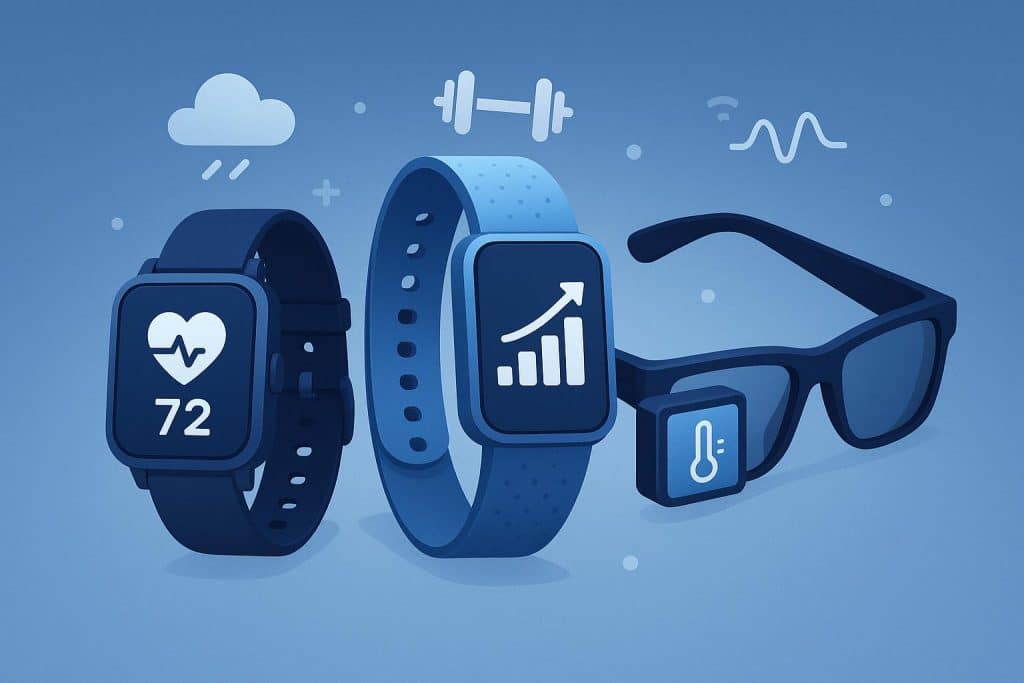
Smart wearable technology has evolved from simple fitness trackers to sophisticated devices that actively enhance human comfort, health, and performance in daily life.
These innovative tools monitor physiological data, adapt to environmental conditions, and provide real-time interventions that optimize human functioning.
Understanding how smart wearables work and their practical applications helps individuals leverage technology for improved quality of life.
The Evolution of Wearable Technology
Wearable devices have transformed from passive monitoring tools into active systems that respond to user needs and environmental challenges.
Modern smart wearables integrate sensors, artificial intelligence, and responsive technologies that deliver personalized comfort solutions.
Products like affordable heated gloves by Arcfomor exemplify this evolution, using smart heating technology to maintain optimal hand temperature based on environmental conditions and user preferences.
Key milestones in wearable technology development:
- 1960s-1970s: Early pedometers and heart rate monitors for medical and athletic use
- 1980s-1990s: Digital watches with basic health tracking capabilities
- 2000s: GPS-enabled fitness devices and early smartwatches emerge
- 2010s: Smartphone integration creates connected wearable ecosystems
- 2015-2020: AI and machine learning enable predictive and adaptive responses
- 2020-Present: Smart clothing and therapeutic wearables address specific health needs
- Future: Biointegrated sensors and continuous health monitoring becoming standard
Types of Smart Wearables and Their Applications
Smart wearable technology spans diverse categories, each designed to address specific aspects of human comfort, health, or performance enhancement.
Different wearable types serve distinct purposes while increasingly integrating with each other to provide comprehensive wellness support.
The Consumer Technology Association reports that the global wearable market continues growing at over 15% annually as technology becomes more sophisticated and affordable.
Fitness and Activity Trackers
These devices monitor steps, calories burned, heart rate, and sleep patterns to provide insights into overall physical activity levels.
Advanced models detect specific exercise types automatically and provide coaching feedback to improve workout effectiveness.
Research from the American College of Sports Medicine shows that fitness tracker users increase physical activity by an average of 30% within the first three months.
Smartwatches and Health Monitors
Comprehensive smartwatches combine communication, notification, and health monitoring functions in wrist-worn devices that integrate seamlessly with smartphones.
These devices track heart rhythm irregularities, blood oxygen levels, stress indicators, and even perform electrocardiogram readings.
The U.S. Food and Drug Administration has approved several smartwatch features for medical-grade health monitoring, validating their clinical utility.
Smart Clothing and Textile-Integrated Sensors
Garments with embedded sensors monitor body temperature, muscle activity, posture, and breathing patterns without requiring separate devices. Athletic smart clothing provides real-time biomechanical feedback that helps athletes optimize technique and prevent injuries.
The sports medicine community increasingly recognizes smart textiles as valuable tools for injury prevention and performance optimization.
Therapeutic and Medical Wearables
Specialized wearables address specific medical conditions including chronic pain, circulation problems, neurological disorders, and rehabilitation needs.
These devices deliver targeted interventions such as electrical stimulation, heat therapy, or medication delivery at prescribed times.
The National Institutes of Health supports research into therapeutic wearables as cost-effective alternatives to traditional medical interventions.
Temperature Regulation Wearables
Smart heated and cooled garments maintain optimal body temperature in extreme environmental conditions for comfort and safety.
These wearables prove especially valuable for outdoor workers, athletes, and individuals with circulation disorders or temperature sensitivity.
Products in this category range from heated jackets and gloves to cooling vests for hot environment work.
Posture and Ergonomic Correction Devices
Wearable devices that monitor sitting position, standing posture, and movement patterns provide vibration or audio feedback when detecting poor posture.
These tools help prevent musculoskeletal problems associated with prolonged sitting and repetitive work activities.
The American Chiropractic Association recognizes posture-correcting wearables as useful supplements to professional ergonomic interventions.
Sleep Optimization Wearables
Specialized sleep trackers monitor sleep stages, breathing patterns, and environmental factors while providing interventions like temperature adjustment or gentle wake alarms.
Some devices use subtle vibrations or temperature changes to guide users into deeper sleep or gentler awakening.
The National Sleep Foundation notes that sleep wearables help users identify and address factors that impair sleep quality.
How Smart Wearables Enhance Human Performance
Beyond basic monitoring, smart wearables actively improve human capabilities through real-time feedback, environmental adaptation, and personalized optimization.
These devices bridge the gap between human limitations and environmental demands, enabling sustained high performance in challenging conditions.
Research published in the Journal of Sports Sciences demonstrates measurable performance improvements when athletes use smart wearables for training optimization.
Real-Time Biometric Feedback and Adjustment
Smart wearables continuously monitor physiological indicators and provide immediate feedback when metrics fall outside optimal ranges. This instant awareness allows users to modify behavior, adjust intensity, or take corrective action before problems escalate. Athletes use this feedback to train at precise intensity levels that maximize adaptation while minimizing overtraining risk.
Predictive Analytics and Performance Optimization
Machine learning algorithms analyze historical data to predict optimal training times, recovery needs, and performance readiness.
These predictive capabilities help users plan activities when their bodies are most prepared for peak performance.
Professional sports teams increasingly rely on wearable data analytics to make strategic decisions about player deployment and rest.
Environmental Adaptation and Comfort Maintenance
Smart wearables that respond to environmental conditions automatically adjust to maintain user comfort regardless of external temperature changes.
Heating elements activate when ambient temperature drops, while cooling systems engage during hot conditions or intense physical activity.
This automatic adaptation allows users to focus on tasks rather than constantly adjusting clothing or seeking climate-controlled environments.
Injury Prevention Through Early Warning Systems
Advanced wearables detect movement patterns, muscle fatigue, and biomechanical stress that indicate increased injury risk. Early warning alerts prompt users to modify technique, reduce intensity, or rest before acute injuries occur.
The American Journal of Sports Medicine reports that injury rates decline significantly among athletes using predictive wearable technology.
Recovery Optimization and Wellness Management
Sleep tracking, heart rate variability monitoring, and stress assessment help users optimize recovery between demanding activities. Understanding recovery status prevents premature return to intense activity that could cause injury or performance degradation.
Recovery-focused wearables have become standard equipment for professional athletes and increasingly adopted by fitness enthusiasts.
Cognitive Performance Enhancement
Some wearables monitor brain activity, attention levels, and cognitive load to optimize mental performance during demanding intellectual work. These devices can suggest breaks, meditation sessions, or environmental changes when detecting cognitive fatigue. Emerging research in neurotechnology shows promise for wearables that enhance focus, memory, and decision-making capabilities.
Long-Term Health Trend Identification
Continuous monitoring over months and years reveals health trends that might otherwise go unnoticed until problems become serious. Gradual changes in resting heart rate, sleep quality, or activity tolerance can indicate developing health issues requiring medical attention.
Longitudinal wearable data provides healthcare providers with unprecedented insights into patients’ daily health patterns.
Comfort Enhancement Through Smart Temperature Control
Temperature regulation represents one of the most impactful applications of smart wearable technology, directly affecting comfort, performance, and safety.
The human body functions optimally within narrow temperature ranges, and environmental extremes significantly impair both physical and cognitive performance.
Understanding common issues such as heated gloves stop working helps users maintain reliable temperature regulation and maximize the benefits of these devices.
Benefits of smart temperature regulation wearables:
- Maintaining optimal body temperature for peak physical and cognitive function
- Preventing cold-related injuries in outdoor work and recreational activities
- Enabling comfortable participation in activities during extreme weather conditions
- Reducing energy expenditure required for thermoregulation
- Improving sleep quality through optimal bedroom temperature maintenance
- Supporting medical conditions requiring careful temperature management
- Extending comfortable outdoor activity duration in challenging climates
- Reducing reliance on facility heating and cooling systems
Integration and Data Synergy in Wearable Ecosystems
The true power of smart wearables emerges when multiple devices work together, sharing data to provide comprehensive health and performance insights. Integrated ecosystems allow smartwatches to communicate with smart clothing, fitness equipment, and home automation systems for seamless optimization.
The Institute of Electrical and Electronics Engineers is developing standardized protocols to improve interoperability between wearable devices from different manufacturers.
Advantages of integrated wearable systems:
- Comprehensive health picture from multiple data sources and sensor types
- Automated adjustments across devices based on collective intelligence
- Reduced need for manual data entry and device management
- Centralized dashboards providing holistic wellness insights
- Predictive capabilities improving with larger, diverse datasets
- Seamless transitions between different activity types and environments
- Family and team coordination for group activities and shared health goals
Wearable Category | Primary Function | Typical Battery Life | Price Range |
Basic Fitness Tracker | Steps, calories, basic heart rate monitoring | 5-7 days | $30-$100 |
Advanced Smartwatch | Multi-function health monitoring and communication | 1-3 days | $200-$800 |
Smart Clothing | Biomechanical analysis and posture tracking | 6-12 hours | $100-$400 |
Therapeutic Wearable | Specific medical condition management | Varies (4-48 hours) | $50-$500 |
Temperature Control Wearable | Thermal comfort in extreme conditions | 3-10 hours | $80-$300 |
Sleep Optimization Device | Sleep quality monitoring and improvement | 3-5 nights per charge | $100-$400 |
Privacy, Security, and Ethical Considerations
The intimate health data collected by smart wearables raises important questions about privacy protection, data ownership, and ethical use. Users must understand what data their devices collect, who has access to it, and how it might be used beyond personal health tracking.
The Health Insurance Portability and Accountability Act provides some protections, but many wearable devices fall outside traditional medical device regulations and protections.
Critical privacy and security concerns:
- Potential for health data breaches exposing sensitive personal information
- Insurance companies or employers using wearable data to make coverage or employment decisions
- Unclear data ownership and third-party sharing in terms of service agreements
- Risk of surveillance and location tracking through always-on connected devices
- Accuracy concerns leading to inappropriate medical decisions or unnecessary anxiety
- Digital divide creating healthcare disparities between those with and without wearable access
- Dependency on technology potentially reducing body awareness and intuitive self-care
Conclusion
Smart wearables have evolved into powerful tools that actively enhance human comfort and performance rather than simply monitoring passive metrics. By integrating sensors, artificial intelligence, and responsive technologies, these devices optimize physical function, prevent injuries, and maintain comfort across diverse environmental conditions.