

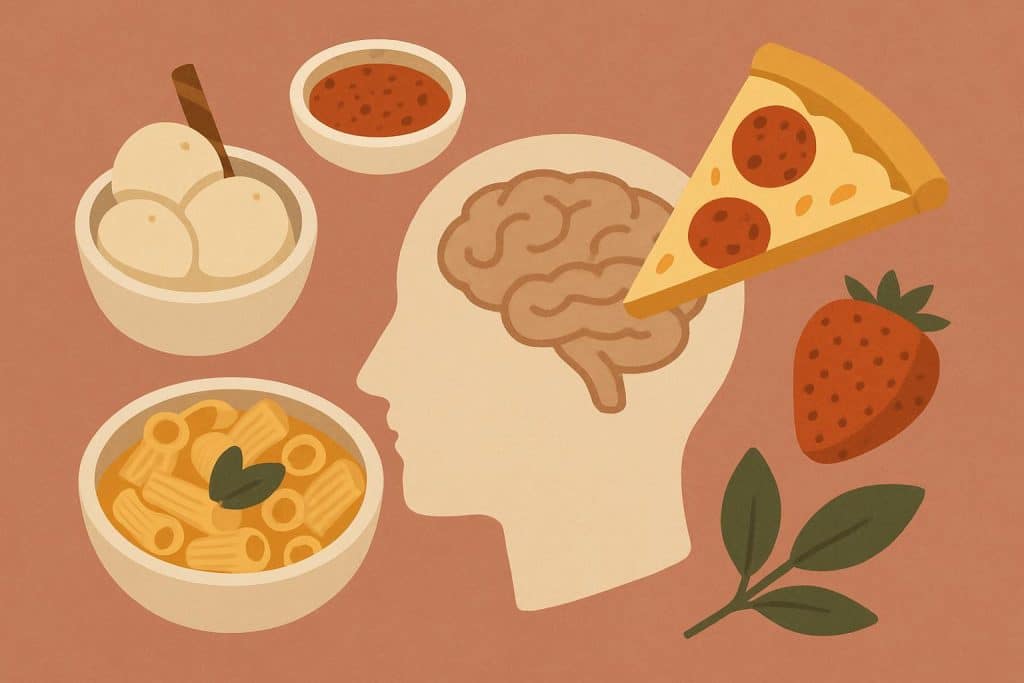
Taste is one of the most intimate ways we experience the world. From the sweet comfort of chocolate to the bitter bite of coffee, the flavors we prefer reveal more than just our dietary habits—they reflect our biology, culture, personality, and even our emotional states. The psychology of flavor preferences is a fascinating field that explores why we like what we like and how our experiences, genes, and environment shape our palates. Understanding this can shed light on human behavior, cultural trends, and even marketing strategies.
The Biology of Taste
At the core of flavor preference lies biology. Humans have five primary taste sensations: sweet, sour, salty, bitter, and umami. These tastes serve as signals: sweetness often indicates energy-rich foods, while bitterness can signal potential toxins. Evolutionarily, our taste system developed as a survival mechanism, guiding our ancestors toward nourishing foods and away from harmful substances.
Genetics play a major role in determining flavor preference. Some people are “supertasters,” with a heightened sensitivity to bitter compounds, while others are “non-tasters,” who experience less intensity. Supertasters may avoid bitter vegetables like kale or Brussels sprouts, whereas non-tasters may enjoy these foods without discomfort. Similarly, variations in genes related to taste receptors can influence how we perceive sweetness or umami, subtly shaping our food choices throughout life.
Early Experiences Shape Flavor Preferences
Our early experiences with food strongly influence our lifelong tastes. Babies are born with innate preferences for sweet and umami flavors, likely because breast milk is naturally sweet and rich in nutrients. Conversely, bitter and sour tastes are often initially rejected. However, repeated exposure can change these initial reactions. For instance, a child repeatedly offered vegetables may gradually develop a taste for them.
Culture also exerts a powerful influence. Foods that are common in one culture may seem unusual or even unpleasant in another. For example, fermented foods like kimchi or blue cheese are cherished in some cultures for their complex flavors, while they may be off-putting to those unfamiliar with them. These preferences are often reinforced through social learning, as children observe and mimic the eating habits of their family and peers.
The Role of Personality in Taste
Personality traits also influence flavor preferences. Research suggests that adventurous eaters—those open to new experiences—tend to enjoy novel or intense flavors, such as spicy dishes or exotic fruits. In contrast, individuals who are more cautious may prefer familiar, mild flavors. There is also evidence linking sensation-seeking traits to a preference for spicy or bitter foods, indicating that flavor can serve as a form of stimulation or even excitement.
Emotional states and mood further interact with taste. People experiencing stress or sadness may crave comfort foods that are sweet, fatty, or salty, seeking a temporary emotional boost. Conversely, positive moods can encourage more exploratory eating behaviors, making individuals more willing to try new or unusual flavors. These emotional-food connections highlight how taste is not merely a sensory experience but a psychological one.
Flavor and Memory
Memory plays a central role in shaping flavor preferences. The brain links tastes to past experiences, creating associations that can persist for years. A dish enjoyed during a special family gathering or vacation can evoke strong positive emotions whenever its flavor is encountered again. Conversely, a negative food experience, such as food poisoning, can create a lasting aversion, a phenomenon known as conditioned taste aversion.
The power of these associations explains why nostalgia often drives food choices. Classic comfort foods, like macaroni and cheese or hot chocolate, may not always be the healthiest, but they offer emotional reassurance through familiarity. Marketers leverage this connection, using flavors to evoke nostalgia and create strong brand loyalty.
Sensory Interaction and Complexity
Flavor is more than just taste; it involves smell, texture, temperature, and even visual cues. Olfaction, or the sense of smell, is particularly critical. Aroma compounds interact with taste receptors to create what we perceive as flavor. For instance, vanilla’s comforting sweetness is largely due to its aroma rather than its actual taste. Similarly, the crunchiness of a potato chip or the creaminess of ice cream influences enjoyment, showing that sensory integration shapes our flavor experiences. Some people also find that products like Geek Bar vape juice offer a surprisingly nuanced flavor experience, highlighting how even non-food items can engage our taste and smell in enjoyable ways.
Complexity in flavors also affects preference. Some people enjoy simple, straightforward tastes, while others seek complex, layered flavors that evolve over time, such as those found in fine wines or gourmet dishes. This preference for complexity often correlates with personality and cognitive traits, suggesting that the way we process sensory information influences our flavor choices.
Social and Environmental Influences
Beyond biology and personality, social and environmental factors shape flavor preferences. Peer influence, marketing, and societal norms can all guide what we eat and enjoy. For example, children exposed to friends’ food choices are more likely to adopt similar tastes. Media and advertising also play a role, associating flavors with status, happiness, or desirability.
Accessibility and exposure further influence preferences. In regions where certain ingredients are abundant, local populations develop a taste for them. Conversely, limited exposure can create resistance or unfamiliarity. This explains why globalized food trends, such as sushi or avocado toast, often require gradual cultural adaptation before widespread acceptance.
Implications for Health and Behavior
Understanding the psychology of flavor preferences has important implications for nutrition and health. People tend to favor high-calorie, sweet, or fatty foods, which were advantageous in scarcity but can contribute to modern health issues like obesity and diabetes. Awareness of these innate preferences can help in designing healthier foods that still satisfy cravings, such as using natural sweetness or flavor enhancement to encourage vegetable consumption.
Behavioral interventions often leverage psychological insights. For instance, repeated exposure, positive social modeling, and mindful eating practices can shift preferences over time. Similarly, understanding flavor psychology can aid in creating personalized diets, where individuals’ genetic and personality profiles inform food choices, improving adherence and satisfaction.
Flavor preferences are far more than simple likes and dislikes—they are the product of a complex interplay between biology, psychology, culture, and environment. Genetics determine our sensitivity to tastes, early experiences and culture shape our exposure and habits, personality influences openness to novel flavors, and emotions and memories create strong associations with food. Even sensory complexity and social context play vital roles in shaping what we find appealing.
By studying the psychology of flavor, we gain insight into human behavior, nutrition, and culture. It reminds us that every bite is more than sustenance—it’s a reflection of our experiences, our biology, and our identities. The next time you reach for your favorite snack—or even try a new flavor experience like Geek Bar vape juice—consider the intricate web of factors that brought you to that preference. Your taste buds are not just sensing flavor—they’re reading a story that spans your life, your culture, and your mind.