

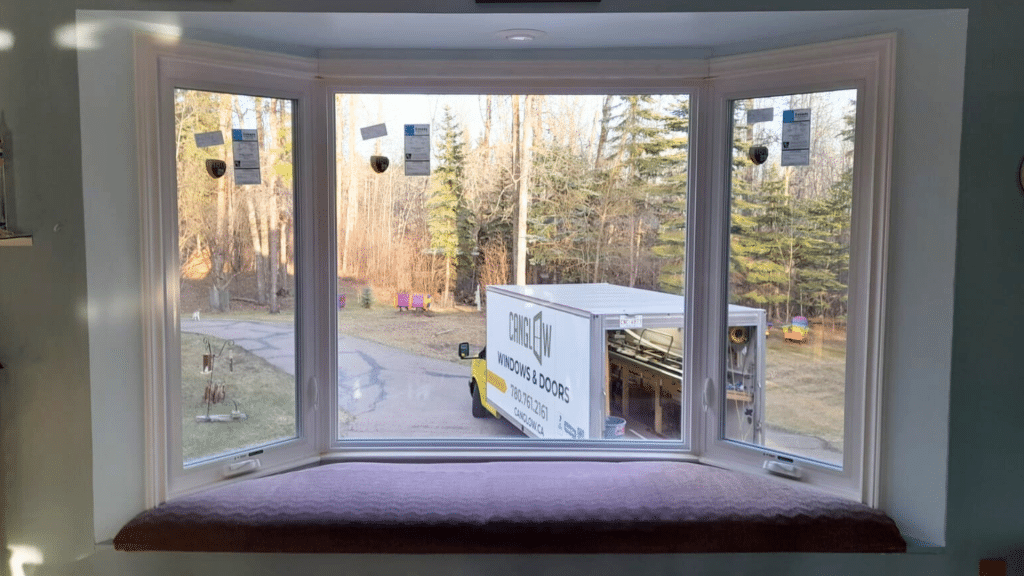
Anyone who has lived through a few Edmonton winters knows one thing for sure: not all windows are built for this climate. When temperatures drop fast, the wind picks up, and your furnace starts running non-stop, weak windows show their flaws very quickly.
In 2026, Edmonton homeowners are paying much closer attention to the quality of their windows than they did even a few years ago. Rising energy costs, harsher weather swings, and aging homes are pushing more people to seriously rethink windows replacement in Edmonton, not as a cosmetic upgrade, but as a practical one.
If you’re researching what windows Edmonton homeowners actually trust, here’s what matters—and what doesn’t—when choosing windows for a cold-climate home.
Edmonton Winters Are Tough on Windows
Edmonton isn’t just “cold.” It’s unpredictable. One week can bring mild temperatures, and the next can hit deep freezes with strong winds and heavy frost. That constant expansion and contraction is hard on window frames, seals, and glass units.
Older or lower-quality windows often become a weak point in the home. Drafts creep in, condensation forms on the glass, and heating bills climb faster than expected. In many homes, windows are responsible for a significant portion of heat loss, sometimes close to a third.
That’s why Edmonton windows need to be designed specifically for cold climates, not just labeled as “energy efficient.”
Double-Pane vs. Triple-Pane: What Makes Sense in 2026?
This is one of the most common questions homeowners ask when planning window replacement Edmonton projects.
Double-Pane Windows
Double-pane windows are still widely used and can work well in certain situations. They offer a noticeable improvement over older single-pane windows and help reduce basic heat loss.
However, during extreme cold snaps, double-pane windows can struggle. Homeowners often notice cold glass surfaces and condensation when temperatures stay low for extended periods.
Triple-Pane Windows
In 2026, more Edmonton homeowners are choosing triple-pane windows, especially for bedrooms, living rooms, and north-facing walls.
Triple-pane windows provide an extra insulating layer, which makes a real difference during deep winter conditions. The glass maintains its warmth, drafts decrease, and condensation significantly decreases.
While the upfront cost is higher, many homeowners find the comfort improvement alone is worth it, not to mention the long-term energy savings.
Energy Ratings Matter More Than Brand Names
Not all “high-efficiency” windows perform the same way in real Edmonton conditions. When comparing Edmonton window options, it’s important to look beyond marketing language.
Key things to watch for:
- Low U-factors (lower is better for heat retention)
- Quality Low-E coatings
- Proper gas fills between panes
- Cold-climate Energy Star® ratings
These technical details may not sound exciting, but they directly affect how your home feels on a -30°C night.
Why Vinyl Windows Are Still the Top Choice
Over the years, homeowners have tried wood, aluminum, and hybrid window frames. Yet vinyl continues to dominate window replacement projects in Edmonton, and for good reason.
Modern vinyl windows:
- Insulate extremely well
- Don’t rot, warp, or absorb moisture
- Handle temperature swings without cracking
- Require very little maintenance
Canadian-made vinyl windows are designed with our climate in mind. They expand and contract safely, keeping seals tight even during extreme cold spells.
Installation Quality Is Just as Important as the Window
This is where many window projects fail, not because of the product, but because of poor installation.
Even the best window will underperform if it’s not installed properly. Gaps, weak sealing, and rushed workmanship can lead to drafts, moisture problems, and shortened window lifespan.
Professional windows replacement in Edmonton should always include:
- Accurate measurements
- Proper insulation around the opening
- Airtight sealing
- Careful finishing inside and out
In-house installation teams tend to deliver more consistent results than rotating subcontractors, especially in cold climates where details matter.
Condensation Is a Warning Sign and Not “Normal”
Many homeowners assume condensation is unavoidable in winter. In reality, excessive condensation usually points to poor insulation or failing window seals.
High-quality windows help keep interior glass warmer, reducing moisture buildup and frost. Triple-pane windows, in particular, significantly reduce condensation issues during extended cold periods.
Ignoring condensation can lead to mold, damaged frames, and drywall issues over time.
Think Long-Term, Not Just About Price
In 2026, Edmonton homeowners are thinking differently about window replacement. The focus has shifted from “What’s cheapest?” to “What will last?”
While premium Edmonton windows cost more upfront, they often deliver:
- Lower heating bills year after year
- More consistent indoor temperatures
- Less maintenance
- Higher resale value
Windows are not a short-term purchase. They’re a long-term investment in comfort and energy performance.
What Edmonton Homeowners Are Choosing in 2026
Current trends show homeowners prioritizing:
- Triple-pane, cold-climate windows
- Canadian-made products
- Experienced installers
- Energy efficiency over shortcuts
- Comfort and durability over cosmetic upgrades
These choices reflect a growing understanding that the right windows make a noticeable difference, especially in Edmonton’s climate.
Final Thoughts
Choosing the right windows for a cold climate home in Edmonton isn’t about following trends or chasing brand names; it’s about real performance, proper installation, and long-term comfort. Companies like Canglow Windows & Doors focus on these fundamentals by offering windows designed for extreme cold and installing them with precision suited to local conditions.
If you’re planning windows replacement in Edmonton, prioritize products built to handle harsh winters and professionals who truly understand the climate. The right choice today can make your home warmer, quieter, and more energy-efficient for decades to come.