

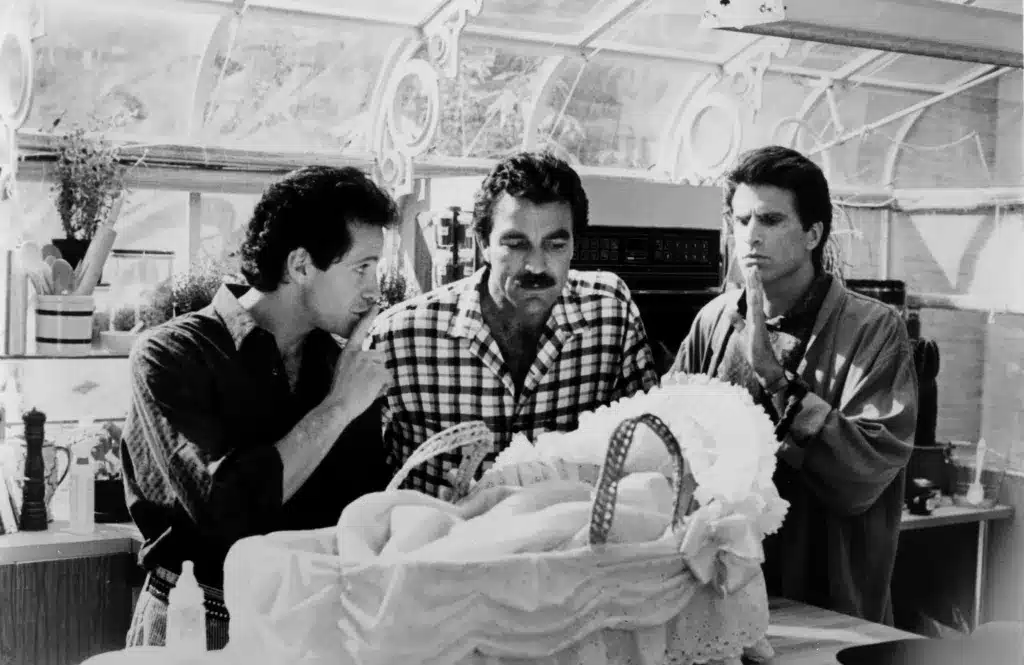
If you’ve scrolled past a poster for Three Granddads and a Baby and wondered if it’s real, you’re not alone. The short answer is no, the movie isn’t happening. But the story behind these convincing fake comedy movie posters is fascinating, as they weren’t made with Photoshop. They were created in seconds using Artificial Intelligence.
Think of an AI movie poster generator as a tool you can talk to, like describing a scene to a lightning-fast digital artist. You simply give it a written instruction, called a “prompt,” such as: “Movie poster for a comedy sequel to Three Men and a Baby, where the actors are now old grandfathers.”
The AI then generates a brand-new image based on that description in under a minute. This incredible speed is why so many AI generated movie posters have gone viral, turning simple ideas into believable art.
Three Granddads And A Baby: Your 3-Step Guide to Spotting an AI-Generated Image
Becoming a digital detective is easier than you think. While AI gets smarter, it still makes a few classic mistakes. Here are the three biggest clues that an image was made by AI:
- Read the Fine Print. AI is currently terrible at spelling and creating legible text. Look closely at any words on the poster, especially in the credit block at the bottom. On the Three Granddads poster, you’ll notice it’s just a scramble of meaningless symbols and garbled letters—a dead giveaway.
- Check the Hands and Details. AI often gets confused by complex anatomy. Scan the image for hands with too many fingers, limbs that bend at odd angles, or distorted details like earrings that seem to melt into the skin.
- Look for Waxy, Perfect Skin. Human faces are rarely flawless, but AI often generates portraits with unnaturally smooth, glossy, or plastic-like skin, lacking any normal pores or blemishes.
Why You’ll See More Fake Posters—And How Not to Get Fooled
A poster for Three Granddads and a Baby might look convincing at first, but now you can see it’s part of a creative and widespread AI movie poster trend. From the Pope in his puffer jacket to this viral poster, you’re equipped to spot the digital fingerprints—the waxy skin, the nonsensical text—that separate harmless fun from a deliberate hoax.
You’ve gained a new form of digital literacy. The next time a too-good-to-be-true image appears on your social media feed, you won’t be fooled. You’re no longer just scrolling; you’re a digital detective, able to see the internet with a clearer, more confident eye.