

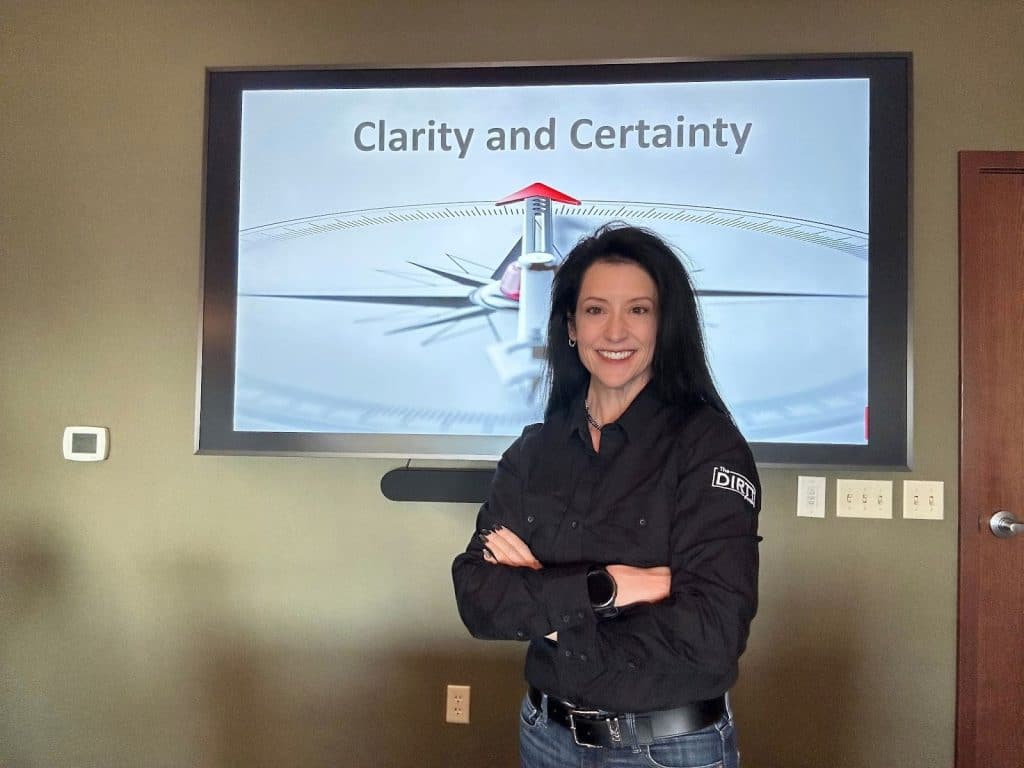
DES MOINES, IA, January 2026 – Ownership transitions in family-owned and agricultural businesses often slow down for reasons that are not immediately visible. On the surface, families may believe they agree on the future of the business and the need for succession planning. Yet progress frequently stalls when untested assumptions about fairness, readiness, and intent remain unspoken. According to Rena Striegel, these quiet assumptions are among the most common factors delaying successful ownership transitions.
Families often assume they are aligned simply because conflict has not surfaced. Over time, however, those assumptions shape decisions in subtle ways. One generation may believe discussions about ownership will happen later, while another assumes timelines and responsibilities are already understood. Years can pass before families realize that each person has been operating from a different version of the same story.
In her work with family enterprises, Striegel frequently encounters situations where parents assume successors are not fully prepared, while successors assume trust and authority will be granted when the time feels right. These unspoken beliefs create hesitation on both sides. Without clarity, decisions are postponed, not because of disagreement, but because no one wants to challenge what they think others believe.
Assumptions often develop as a way to protect relationships. When family and business are deeply intertwined, avoiding difficult conversations can feel safer than addressing uncertainty directly. Over time, this avoidance increases risk rather than reducing it. Important decisions feel heavier, and progress slows as families wait for clarity that never arrives on its own.
“Families often rely on assumptions to keep things running smoothly,” said Striegel. “But assumptions about fairness, readiness, and intent rarely stay neutral. When they are not tested, they quietly guide decisions and delay action.”
Striegel observes that these issues commonly surface around ownership roles, authority, and leadership transition. Senior generations may hesitate to move forward out of concern for stability, while successors may avoid asking questions to prevent tension or appearing ungrateful. The result is a prolonged transition period where no one feels fully confident taking the next step.
Through her work at Transition Point Business Advisors, Striegel helps families bring assumptions into the open before they become obstacles. By creating structured space for honest conversation, families can move away from blame and toward understanding. Once expectations are clearly defined, decision-making becomes less emotional and more practical.
When assumptions are addressed directly, momentum returns. Families gain shared understanding, conversations become more productive, and ownership transitions progress with greater confidence. Succession planning shifts from a stalled process to one grounded in clarity, alignment, and intentional action.
About Rena Striegel
Rena Striegel is President of Transition Point Business Advisors and a nationally recognized authority in family business and agricultural succession planning. Raised in What Cheer, Iowa, she combines professional expertise with a firsthand understanding of multi-generational enterprises. Striegel holds a Bachelor of Arts from Central College in Pella, Iowa, and an MBA from the University of Iowa. She is the creator of The DIRTT Project and host of the Ag Inspo podcast.
About Transition Point Business Advisors
Transition Point Business Advisors supports family-owned and agricultural businesses through succession planning, communication alignment, and next-generation readiness. The firm helps families navigate ownership transitions with clarity, confidence, and continuity.
Website: www.transitionpointba.com
LinkedIn: Renastriegel Facebook: Renastriegel