

Introduction
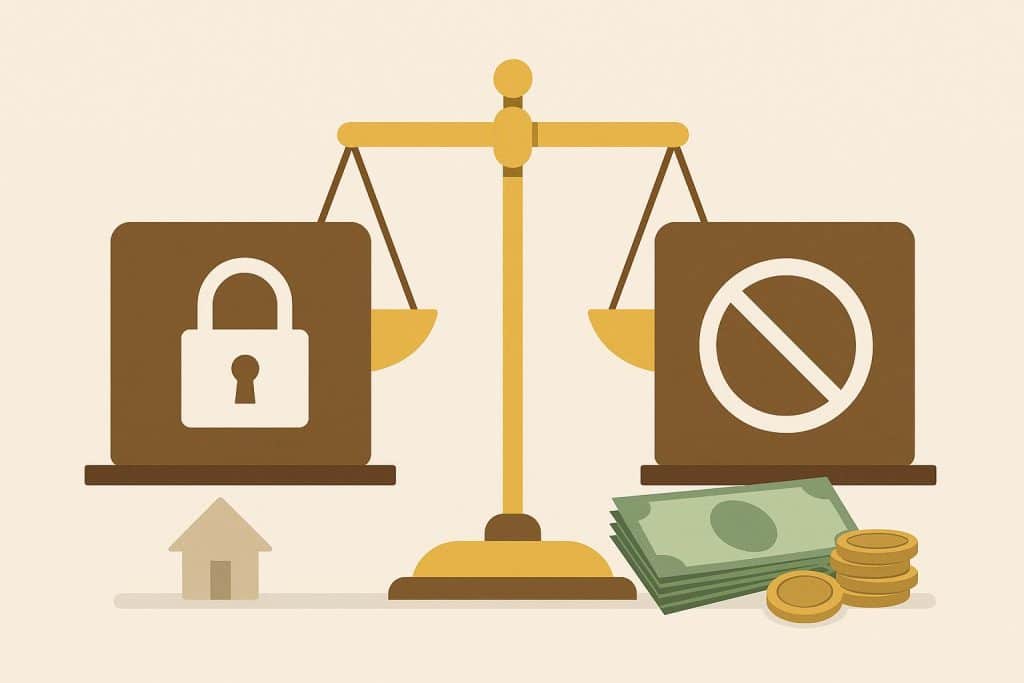
When seeking business financing, one of your first decisions is whether to opt for a secured or unsecured loan. Both serve different business situations, with distinct advantages and limitations. Secured loans require collateral but offer better terms, whilst unsecured loans provide quick access without asset pledge. Your choice depends on loan amount needed, asset availability, urgency, and risk appetite.
Understanding Secured Business Loans
Secured business loans require you to pledge collateral—property, machinery, inventory, or other valuable business assets. The lender holds legal claim over these assets until full repayment. If you default, the lender can liquidate the collateral to recover dues.
Key Features of Secured Business Loans
Secured loans offer several advantages for businesses with adequate collateral:
- Lower interest rates, typically 11-14% per annum, since collateral reduces lender risk
- Higher loan amounts, often ranging from ₹10 lakh to several crores, based on collateral value
- Longer repayment tenures, extending up to 5-7 years for some loan types
- Easier approval for businesses with average credit scores, as collateral provides security
- Better negotiating power on loan terms due to reduced lender risk
However, the application process takes longer due to collateral valuation and legal verification. You also risk losing your pledged assets if business circumstances prevent repayment.
Understanding Unsecured Business Loans
Unsecured business loans don’t require collateral. Approval depends entirely on your creditworthiness, business performance, and repayment capacity. The lender relies on your financial track record rather than physical assets.
Key Features of Unsecured Business Loans
Unsecured loans suit businesses needing quick funding without asset pledge:
- Faster processing and disbursal, often within 24-72 hours after approval
- No risk to business assets, protecting your property and equipment
- Simpler documentation, focusing on financial statements and credit history
- Suitable for smaller loan amounts, typically up to ₹25-50 lakh
- No collateral valuation delays or legal formalities
The trade-offs include higher interest rates (14-18% per annum), shorter repayment tenures (usually 1-3 years), and stricter eligibility criteria. You need a strong credit score (typically 750+) and consistent business profitability for approval.
Secured vs. Unsecured Business Loans: Direct Comparison
| Factor | Secured Loan | Unsecured Loan |
|---|---|---|
| Collateral requirement | Property, equipment, or assets | None |
| Interest rates | Lower (11-14% per annum) | Higher (14-18% per annum) |
| Loan amount | Higher (₹10 lakh to several crores) | Lower (up to ₹25-50 lakh) |
| Processing time | Slower (1-2 weeks) | Faster (24-72 hours) |
| Repayment tenure | Longer (up to 5-7 years) | Shorter (1-3 years) |
| Eligibility criteria | Moderate, asset-backed | Strict, credit-dependent |
| Risk to assets | High (can lose collateral) | None |
| Documentation | Extensive (asset papers, valuations) | Minimal (financial records) |
Which Business Loan Should You Choose
Choose a Secured Business Loan If:
You need a large loan amount exceeding ₹25 lakh for significant business expansion, equipment purchase, or long-term projects. Your business owns valuable assets like commercial property or machinery that you can pledge. You prefer lower EMIs through longer repayment tenures to manage cash flow better. Your credit score is moderate (650-750 range) but you have substantial collateral to offer. You’re planning major infrastructure investments where lower interest rates significantly reduce total borrowing cost.
Choose an Unsecured Business Loan If:
You need quick funding for working capital, inventory purchase, or urgent operational expenses. Your loan requirement is below ₹25 lakh. You lack substantial assets to pledge or prefer not risking your property and equipment. Your business has a strong credit score (750+) and consistent profitability records. You need a simple, fast application process without property valuations and legal formalities. You’re confident in repaying within 1-3 years and can manage slightly higher EMIs.
Conclusion
Neither secured nor unsecured business loans are inherently better—the right choice depends on your specific situation. Secured loans offer affordability and larger amounts but come with collateral risk and longer processing. Unsecured loans provide speed and simplicity but at higher costs and stricter eligibility. Assess your loan amount requirement, urgency, available assets, and repayment capacity before deciding. If you have valuable collateral and need substantial funding, secured loans make financial sense. For smaller, urgent requirements with strong creditworthiness, unsecured loans serve you better.