

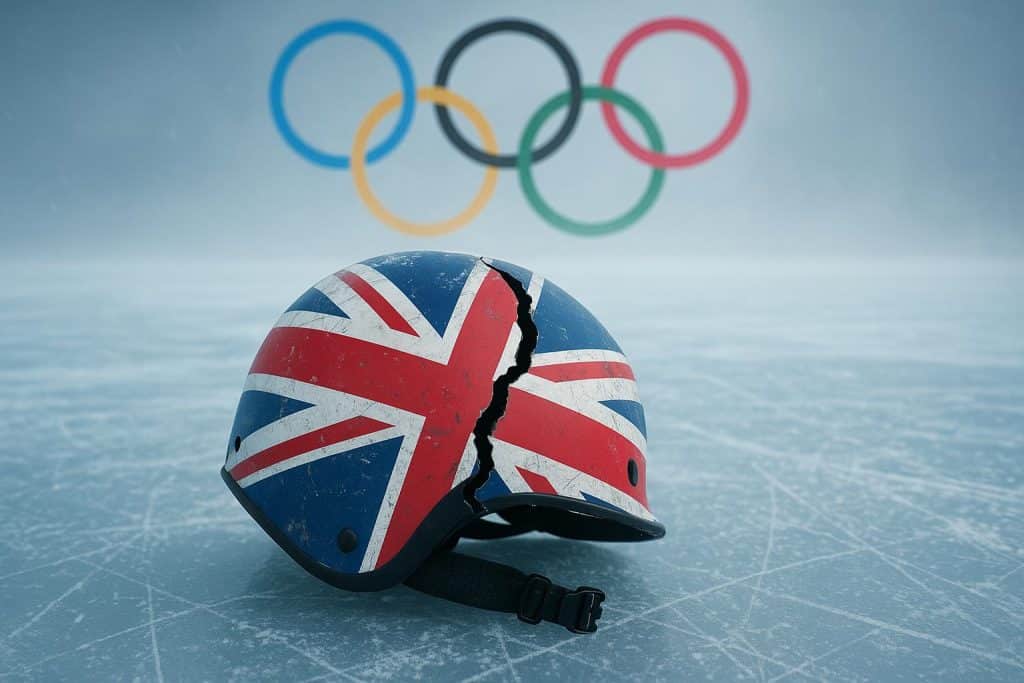
The Winter Olympics are not a straightforward qualifying experience for Great Britain. Britain lacks the essentials to become a winter-sport powerhouse. There are no frozen lakes or expansive ski or snowboard-worthy mountain ranges. Except for curling, which is embedded in British sports culture and received the highest funding of all winter sports, few events are naturally accessible. While certain skating disciplines are becoming more popular, the training and competitive infrastructure are lacking.
This does not mean that British people do not enjoy the Winter Olympics, or that the dream of qualifying for a broader range of events is beyond comprehension. It is reported that 69% of Brits are inspired to try winter sports. The greater the interest, the more vital it is to implement infrastructure changes to make Winter Olympic qualification more feasible for British athletes.
The Qualification Reality
British winter sports athletes face an uphill struggle to qualify for the Winter Olympics. Strict qualifying criteria are set by international federations. Competitors must achieve specific times, rankings, and results in designated qualifying competitions. No one can qualify for the Olympics without competing in an event during the regular season.
Ice hockey is a great example. Britain has a professional ice hockey league, the Elite Ice Hockey League, and it is growing in popularity year-on-year. The sport is the most popular indoor sport in the UK and the fastest-growing Winter Olympic sport. Qualification demands consistent performance against European powerhouses like Sweden, Finland, and Russia. Players from these nations are already mainstays in the NHL, while their domestic leagues operate all year round and offer a level of competition that far outranks current British teams.
The same holds true in other sports, such as alpine skiing, which requires competitors to earn a specific number of World Cup points.
Until the British support and infrastructure changes to accommodate training and support for multiple athletes across multiple disciplines, the Winter Olympics will forever be a niche event where Britain remains on the periphery.
Funding and Resource Constraints
Britain must also deal with a self-imposed catch-22. Funding is awarded to sports on a performance-based system. This means that sports with a higher chance of medal success receive more funding. However, without funding and investment in developing different Winter Olympic sports in Britain, the chance of even qualifying, let alone competing for medals, remains highly unlikely.
In Britain, most of the funding is directed towards curling, skeleton, short-track speed skating, and ice hockey. This gamble has paid off with Britain presenting strong medal potential in some of these events. However, it comes at the expense of other events in which athletes could excel if given the right level of support.
Compare this to Norway, which has athletes competing in almost every winter event; the difference is stark. Norwegian funding is not restricted to medal prospects; instead, all sports have access to public facilities, dedicated coaching networks, and competitive opportunities, all funded through national sports policies.
The Infrastructure Gap
Insufficient infrastructure is the biggest challenge facing British winter sport athletes. Unlike winter sports stalwarts such as Canada, Switzerland, or Austria, British competitors do not have access to sufficient training facilities or coaching. Winter nations have ice rinks, ski slopes, and dedicated training centres. The UK, however, has seen the number of ice rinks decrease in recent years. High operating costs and a lack of funding led to extensive closures, further limiting opportunities for athletes interested in training for winter sports, including skating events, where England has a respectable history, with Torvill and Dean redefining figure skating on a global scale.
When looking at snow sports, the challenges appear even more insurmountable. British snow-based athletes often cannot train in their own country and are forced to travel to alpine regions to find suitable training options. This is in part due to geography. There are few dedicated opportunities for skiing in Great Britain; however, with sufficient investment, artificial slopes could open more opportunities and set the stage for future growth.
British skeleton slider Laura Deas won bronze in the 2018 games. She trains on one of only two sliding tracks in the entire country, which highlights the infrastructure limitations facing British winter sports competitors.
Talent Pool Limitations
While there is growing interest in winter sports across Great Britain, the fact remains that the talent pool of active participants is small, and the pool of those currently able to compete at a professional level is even smaller. Traditional summer sports remain the most popular pastimes for the public. This also means that available funds can be invested more readily in these events.
The lack of consistent winter conditions means there is less time for people to participate in winter-based sports. Many dominant nations introduce winter sports at a young age. Still, in Britain, schools are unlikely to offer cross-country skiing or ice hockey as a school-level sport. Yet early exposure to these events is so significant to the emergence of future stars.
According to research by Casinos.com, a trusted site to compare online casinos available in the UK, simple mathematics explains why Britain struggles so much for Winter Olympic representation. When a nation such as Switzerland has several thousand people well-versed in alpine skiing events and Britain struggles to find 100, the statistics paint a clear picture.
Looking Forward
Britain’s Winter Olympic qualification struggles reflect systemic challenges, not individual shortcomings. The lack of access to sufficient training and development opportunities is a severe limiting factor. The commitment of those athletes in supported sports is evident. British qualification in these sports is consistent, as is the competitive nature of those competitors.
The real task is to ensure a broader range of events receive adequate funding, so future British athletes have the chance to turn their interests into hobbies and hobbies into careers. Britain must develop a sustainable growth pathway and keep an eye on the future.
Investment in youth development programmes and regional training hubs is a great place to start building a dedicated winter sports culture. Youth development reinforces the need for patience and commitment, free of the expectation of instant medal contention.