

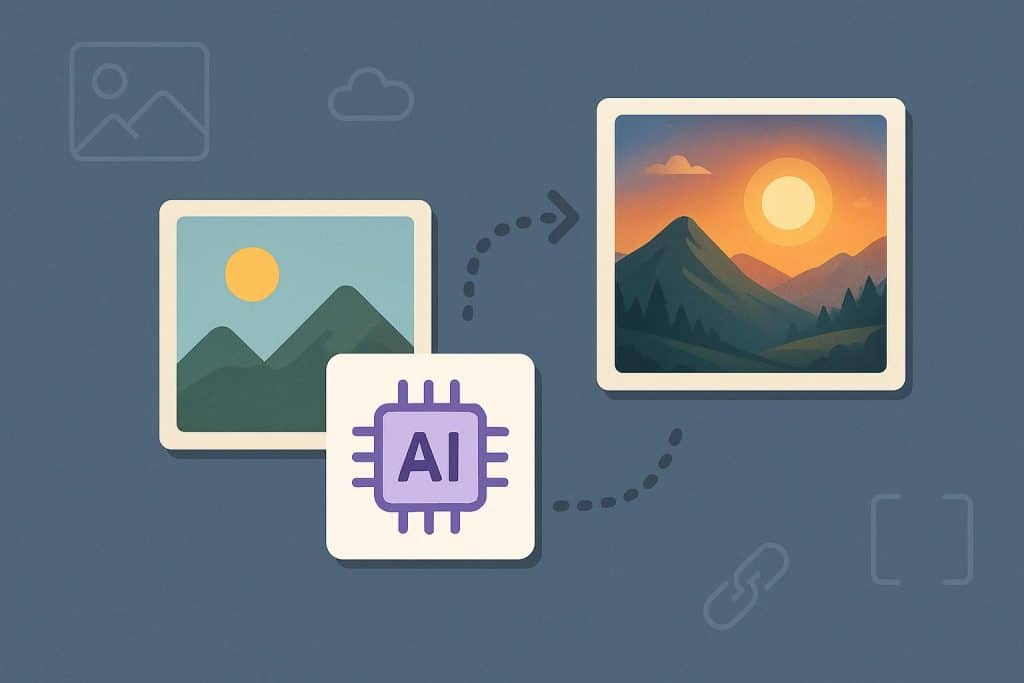
Images have traditionally captured a single moment in time, preserving it exactly as it appeared. While this static quality once defined photography, modern digital workflows demand more flexibility. Today, visuals are expected to adapt across platforms, formats, and storytelling contexts. AI Image to Image technology enables this evolution by transforming existing images into refined, enhanced, or stylistically altered versions while preserving their essential structure.
Rather than replacing original visuals, AI Image to Image allows them to evolve intelligently.
Understanding AI Image to Image Transformation
AI Image to Image systems analyze an input image and generate a modified version based on contextual understanding. Instead of manually adjusting brightness, textures, or backgrounds, users can rely on AI to interpret visual relationships and apply meaningful enhancements.
Transformations may include:
- improving lighting and tonal balance
- refining textures and detail clarity
- adjusting artistic style or atmosphere
- simplifying or enhancing backgrounds
Because the underlying structure remains intact, the result maintains visual consistency while offering a refreshed appearance.
Preparing Historical Images to Animate Old Photos
One of the most meaningful uses of AI Image to Image technology is restoring and enhancing historical photographs before using them to Animate Old Photos. Older images often suffer from fading, noise, scratches, or poor exposure, which can limit animation quality.
AI-driven transformation can restore facial clarity, balance contrast, and recover lost detail. Once enhanced, these images become better suited for animation workflows that introduce subtle motion.
When old photos are refined before animation, the final result feels more natural and emotionally engaging. Instead of appearing artificially modified, the image retains authenticity while gaining renewed presence.
Enhancing Visual Consistency for Modern Workflows
Modern content creation often requires multiple visual variations from a single source image. AI Image to Image enables creators to adapt visuals to different themes, platforms, or audiences without starting from scratch.
For example, a single image can be transformed to match seasonal campaigns, brand color palettes, or stylistic preferences. This adaptability reduces production time and ensures consistent visual identity across channels.
Supporting Narrative Creation with Script to Video AI
AI Image to Image plays an important role in workflows powered by script to video AI. Script to video AI converts written scripts into visual sequences that support storytelling.
For these systems to produce cohesive results, visual assets must share consistent tone, lighting, and style. AI Image to Image allows creators to refine images so they align with narrative requirements before integrating them into video scenes.
Instead of relying on mismatched stock visuals, creators can transform their own images into cohesive storytelling elements. This approach strengthens brand identity and improves narrative flow.
Efficiency and Scalability in Content Production
The growing demand for digital content requires tools that increase efficiency without sacrificing quality. AI Image to Image enables rapid transformation and batch processing, allowing creators to generate multiple visual variations quickly.
This scalability benefits:
- marketing teams producing multi-channel campaigns
- e-commerce platforms updating product visuals
- educators creating adaptable visual materials
- independent creators managing high content output
By reducing manual editing effort, AI Image to Image supports faster production cycles and consistent results.
Applications Across Industries
AI Image to Image is widely used across diverse sectors.
In e-commerce, product images can be adapted for different campaigns and seasonal promotions.
In marketing, visuals can be restyled to match brand tone and messaging.
In education, enhanced images improve clarity and engagement.
In personal projects, historical photos can be restored before being animated to preserve memories.
Its versatility makes it valuable for both professional and personal creative workflows.
Responsible Use and Authenticity
While AI Image to Image offers powerful transformation capabilities, responsible use remains essential. Over-processing can reduce authenticity, and modifications to historical or personal images should be handled with care and transparency.
When used thoughtfully, AI transformation enhances visual storytelling without compromising trust.
The Future of Intelligent Image Transformation
AI Image to Image technology will continue to evolve alongside other creative AI tools. Improvements in restoration accuracy will enhance workflows that Animate Old Photos, while deeper integration with script to video AI systems will streamline transitions from still imagery to narrative video.
As visual content becomes increasingly dynamic and adaptable, AI Image to Image will remain a foundational tool in modern creative workflows.
Conclusion
AI Image to Image represents a shift from static editing toward intelligent visual evolution. By refining images for Animate Old Photos experiences and preparing visuals for script to video AI storytelling workflows, it extends the usefulness and emotional impact of visual content.
In a digital world that values adaptability, efficiency, and engagement, AI Image to Image ensures that a single image can serve many creative purposes.