

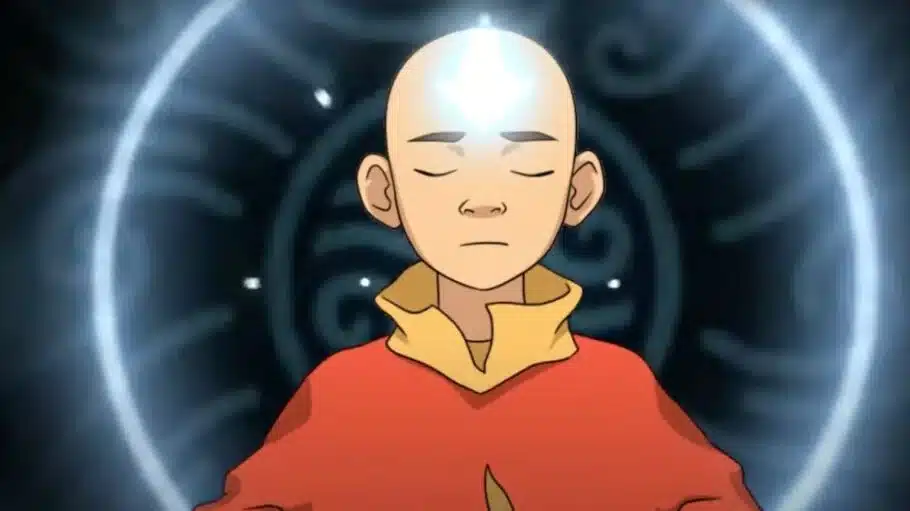
Imagine 40,000 people standing in line to watch a 20-year-old cartoon. That is the scale of the legend of aang movie petition, a massive digital show of hands demanding a cinematic release for the original 2005 series, distinct from any avatar live-action petition (Avatar The Last Airbender).
Signatories believe the animated masterpiece deserves a theatrical homecoming. This fan-led distribution movement highlights a hunger for communal nostalgia over modern remakes.
Avatar The Last Airbender: From TV Screens to IMAX: Why ‘Legend of Aang’ Deserves the Big Screen
While American audiences know the series as Avatar: The Last Airbender, the international title The Legend of Aang creates a necessary boundary between this animated masterpiece and James Cameron’s sci-fi blockbusters. The current movement is not asking for a new film, but for a cinematic coronation of a show that holds a staggering 9.3/10 on IMDb. Fans argue this near-perfect score places the story alongside prestige dramas like Breaking Bad rather than typical children’s cartoons, proving it has the narrative weight to carry a theatrical release.
Hollywood is increasingly fueled by the “Nostalgia Economy,” where studios re-release beloved classics to audiences eager to relive childhood favorites with premium amenities. The petition specifically requests a 4K remastering, going beyond simple re-runs. Just as The Lord of the Rings returned to theaters with sharpened visuals, proponents believe the show’s intricate, hand-drawn animation—originally broadcast in standard definition—would reveal new depth when upscaled for modern projection standards.
The push for a limited theatrical run centers on three experiences that streaming on a laptop simply cannot replicate:
- Visual Scale: Witnessing the series’ massive elemental battles projected on 50-foot IMAX screens.
- Community Experience: The emotional resonance of watching the pivotal finale alongside hundreds of fellow viewers.
- The 20th Anniversary: A perfectly timed celebration for the franchise’s upcoming 2025 milestone.
These factors create a compelling case for distribution executives, but realized profits depend entirely on the volume of consumer interest.
How Your Signature Influences Hollywood Distribution
For studios like Paramount and Nickelodeon, a viral petition functions as free market research. When 40,000 potential ticket buyers sign their names, they validate the financial risk of a theatrical distribution strategy. This data helps executives calculate the Return on Investment (ROI) for booking expensive cinema screens, transforming a passionate request into a quantifiable business case.
Organizers recommend a coordinated multi-front approach to maximize the impact of community signatures:
- Sign the specific Change.org petition for the Legend of Aang re-release.
- Tag Paramount and Nickelodeon on social platforms using campaign-specific hashtags.
- Share official 20th-anniversary retrospective content to boost engagement metrics.
- Participate in community “watch-along” events to prove active demand.
These collective actions create a verifiable “noise level” that acts as a beacon for decision-makers. While a signature offers a promise of interest, consistent engagement proves that the audience is ready to mobilize financially.
Avatar The Last Airbender: Will Nickelodeon Listen? The Path to a Theatrical Release
Success isn’t guaranteed, but the Michael DiMartino and Bryan Konietzko creative legacy proves this saga transcends television. This movement clarifies the gap between the original animated series and live-action theatrical potential, showing studios that nostalgia drives revenue. Tracking the petition keeps the pressure on. Ultimately, the goal is shared: imagine seeing that story for the first time on a 50-foot screen.